









































Start in the 1,200–1,800 PSI range with a wide fan tip, and treat gallons per minute as a flow choice rather than a safety rating. That combination gives you enough cleaning power for routine dirt and road film without the concentrated force that strips wax or lifts clearcoat. Finding the best electric pressure washer for washing cars comes down to dialing in manageable surface pressure rather than chasing the highest number on the box.
Electric and cordless washers generally make it easier to stay in that controllable zone for car washing, while gas washers add power you rarely need for paint and more risk if you don't manage distance and nozzle angle carefully. The right choice still depends on your specific washing scene, which we break down below.
What PSI and GPM Should You Use to Wash a Car?
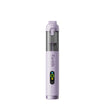
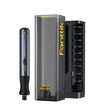
Plan your setup around a working band, not a single "safe" number, and treat GPM as a separate flow decision from pressure. Portable equipment like the Fanttik NB8 Fold Cordless Pressure Washer illustrates this approach by pairing manageable pressure presets with adjustable spray angles for controlled car cleaning.
Use 1,200–1,800 PSI as a Planning Band, Not a Safety Limit
Practitioner guidance commonly points to roughly 1,200–1,900 PSI as a reasonable car-washing range, which supports a conservative 1,200–1,800 PSI starting band for most vehicles. This is planning guidance, not a manufacturer specification or a universal safety threshold for every finish. A washer rated at 2,000 PSI or higher doesn't force you to use its maximum; the pressure you dial in at the surface, not the number printed on the machine, is what determines the actual cleaning intensity. When selecting an electric pressure washer for washing cars, controllable output lets you stay near the low end of this band and increase only if a section still looks dirty after a pass.
Why There Is No Universal Car-Wash GPM Rating
GPM measures how much water the washer moves, not how safely it cleans. A higher GPM speeds up rinsing and lets you cover more panel area per minute, but it does not compensate for a narrow nozzle, high pressure, or holding the wand too close to the surface. There's no supported universal GPM figure for car washing because flow works alongside pressure, tip size, distance, and movement, not as a stand-in for any of them. Judge the complete setup instead of chasing one flow number.
How PSI, GPM, Distance, and Movement Change Paint Risk
Pressure and flow control different things, and the way you hold and move the wand changes how concentrated the impact becomes on any one spot.

Pressure and Flow Do Different Jobs
Higher PSI generally increases how aggressively water breaks up dirt and grime, and that same force can also affect softer or more delicate surfaces if it's concentrated in one place. Higher GPM generally increases cleaning production and helps rinse faster, but according to the Painting Contractors Association's pressurized-water cleaning framework, cleaning result depends on nine separate elements, including PSI, GPM, tip size, distance, angle, nozzle type, and pass speed. Neither PSI nor GPM works alone, and a high GPM setup does not automatically protect paint from a narrow or close-held spray.
Distance, Angle, and Movement Control Localized Impact
A closer, narrower, slower, or stationary spray concentrates force into a smaller area, which raises the chance of surface damage even at moderate PSI. Keeping the wand moving at a steady pace spreads that same force across more surface area, lowering the impact at any single point. The practical rule: widen the fan angle and increase distance before you consider increasing pressure, and never let the spray sit still on one spot of painted metal, trim, or a decal.
Why a 40-Degree Tip Is the Safer Starting Point
A 40-degree fan tip spreads water over a wider area than narrower tips, which lowers the concentrated force hitting any single point of the finish.
Start Wide Before You Narrow the Pattern
PCA's technical guidance lists fan tips from roughly 15 to 40 degrees for general cleaning, and notes that impact increases as the fan angle narrows below 40 degrees. That makes a 40-degree tip the conservative default for a full vehicle wash, especially on large painted panels where you're mainly lifting loose dirt rather than scrubbing out stuck-on grime. Save narrower tips, if you use them at all, for wheels, tires, and other non-painted areas where the finish is far less sensitive. A dedicated cordless pressure washer for washing cars that ships with a fan-pattern nozzle gives you this wider starting pattern without needing a separate accessory.
Keep the Fan Moving Around Trim and Edges
Even a wide fan tip can concentrate force if you hold it still or work too close to badges, window seals, decals, and panel edges. Keep the wand moving steadily and add extra distance around these features rather than pausing to "focus" on a stubborn spot. A 40-degree tip lowers baseline impact, but it doesn't override what distance, dwell time, and finish condition still require from you.
Cordless, Corded Electric, or Gas: Which Power Source Fits Car Washing?
No power source is automatically paint-safe; each one changes what's easy to control and where the added output actually gets used.
Compare the Three Power Sources by Washing Scene
| Power source | Best fit | Watch for |
|---|---|---|
| Cordless/battery | Driveway or mobile washing without nearby power | Limited runtime; check duty cycle for heavy soil |
| Corded electric | Routine home washing with an outlet and hose nearby | Cord and hose reach; quiet, easy to store |
| Gas | Sustained, power-independent work over long sessions | Louder, exhaust, more maintenance; needs stricter nozzle and distance control |
Electric and cordless washers are generally quieter, easier to store, and simpler to keep in a controllable pressure range for a normal wash. Gas washers add meaningful power and don't need an outlet, but that extra output raises the stakes if you get too close or use too narrow a tip on paint.
When Gas Output Adds More Risk Than Value
For a weekly wash or garage detailing session, gas output usually adds more noise, exhaust, and upkeep than the job needs, since a controllable electric or cordless setup already handles routine dirt at a safe working pressure. Gas becomes worth considering mainly when you need long, sustained runs without any power access, such as remote mobile detailing, and even then it puts more responsibility on you to hold distance, use a wide tip, and keep the spray moving.
How to Set Up a Pressure Washer Before Washing the Paint
Before the wand touches visible paint, run through a short setup sequence rather than guessing at a pressure level.
Use This First-Wash Sequence
- Connect your water supply and fit the widest fan tip available for the job, typically around 40 degrees.
- Start the washer at the low end of its adjustable pressure setting rather than the maximum output.
- Keep the wand moving steadily and begin farther from the surface than you expect to need, closing distance gradually only if needed.
- Test a concealed area, such as a lower door panel or under the rocker, before moving to visible hood, roof, and fender surfaces.
Stop on an Unstable Finish
Stop pressure-washing any area where the paint or clearcoat is loose, peeling, cracked, or recently repaired. Concentrated water can lift or worsen damage on a finish that isn't fully bonded to the panel underneath. Switch to hand washing with a mitt and bucket for those sections, or have the finish repaired before you use a pressure washer on that panel again.
Choose the Washer by Your Car-Washing Scenario
Match your equipment to the actual washing scene in front of you instead of the highest-output machine available.
Match the Washer to the Scene
| Scene | Power-source direction | Not a fit if |
|---|---|---|
| Weekly maintenance wash | Corded electric or cordless | You need to run longer than the battery or cord allows |
| Garage detailing | Corded electric or cordless | Noise or exhaust restrictions rule out gas anyway |
| Driveway with limited power | Cordless | Job needs sustained flow beyond the battery's rated runtime |
| Muddy SUV or truck | Cordless with checked duty cycle, or gas for longer runs | Cordless runtime or tank size can't cover the job |
| Mobile detailing | Cordless or gas, based on required runtime | No power access and job length exceeds cordless capacity |
| Sensitive or damaged finish | Neither; use a lower-risk method | Any pressure washing on loose or unstable paint |
The Short Choice Rule
Pick the least aggressive, most controllable setup that finishes the job in front of you. Reserve gas for situations where sustained output or power independence genuinely outweighs its added noise, exhaust, and control demands, and treat a damaged finish as an automatic stop rather than a power-source decision.

FAQs
Does higher GPM make a pressure washer safer for car paint?
No. GPM mainly changes how much water the washer delivers and how quickly it rinses, but it can't offset excessive PSI, a narrow tip, close distance, or a stationary spray. Judge the whole setup, not the flow rating alone, before you decide it's paint-safe.
Is a cordless pressure washer enough for a muddy SUV?
It can be, for light or routine mud, if the washer's documented output and runtime match the job. A heavily caked SUV that needs long, continuous rinsing may outlast a cordless unit's battery or tank capacity, so compare the actual duty cycle and water supply against how dirty the vehicle really is before you start.
Can you pressure-wash a car with peeling or recently repaired paint?
Don't use concentrated pressure on peeling, cracked, loose, or recently repaired paint. Test a concealed area first, and if that area shows any lifting or looks unstable, switch to hand washing instead of continuing with the pressure washer on that panel.
Continue reading
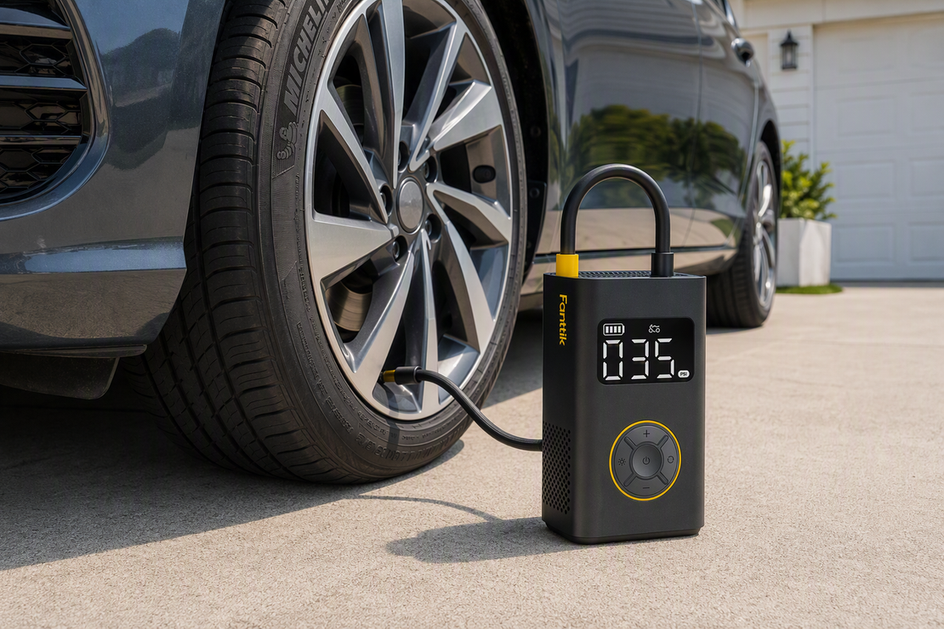 Slow Tire Leak vs Temperature Drop: 5 Ways to Identify Why One Tire Keeps Losing Air
A practical five-step routine helps drivers separate a cold-weather PSI dip from a real slow leak, plus when...
Slow Tire Leak vs Temperature Drop: 5 Ways to Identify Why One Tire Keeps Losing Air
A practical five-step routine helps drivers separate a cold-weather PSI dip from a real slow leak, plus when...
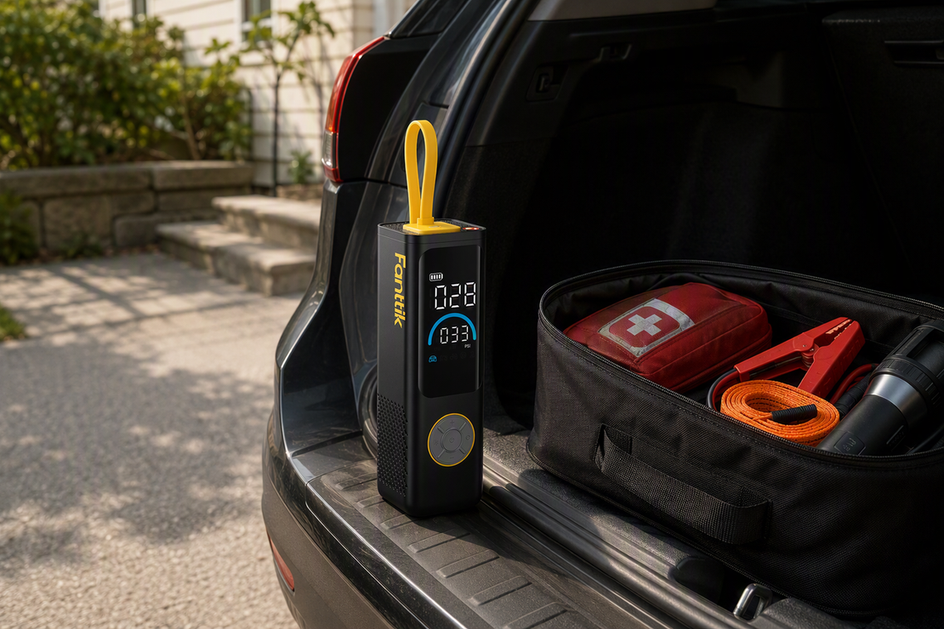 Compact Emergency Trunk Kit: 5 Tools Every Driver Should Carry for Road Trips
A practical guide detailing five compact trunk tools—jump starters, inflators, worklights, plug kits, and screwdrivers—with realistic roadside limits...
Compact Emergency Trunk Kit: 5 Tools Every Driver Should Carry for Road Trips
A practical guide detailing five compact trunk tools—jump starters, inflators, worklights, plug kits, and screwdrivers—with realistic roadside limits...

Leave a comment
This site is protected by hCaptcha and the hCaptcha Privacy Policy and Terms of Service apply.