










































When one tire keeps losing air, that tire is not holding pressure. The pattern alone can't tell you why. The air could be escaping through the tire, the valve, the seal between the tire and wheel, or the wheel itself, and a quick look can't reliably tell these apart.

First, confirm the drop with readings taken while the tire is cold. If the same tire keeps reading low, get it inspected by a tire professional. If you see a cut, crack, or bulge, stop using the tire right away.
What Repeated Air Loss in One Tire Means
Repeated tire air loss in one tire tells you one thing for sure: the tire can't hold its pressure. It doesn't tell you where the air is getting out.
What a Repeated Low Reading Establishes
If the same tire reads low again and again, it is not holding its pressure. You don't need to know the cause before you act. NHTSA's tire safety guidance advises consulting a tire service professional whenever a tire fails to maintain proper pressure. The U.S. Tire Manufacturers Association (USTMA) is even more direct. It calls any tire that keeps needing more air a serious safety risk. It also says a tire service professional should inspect that tire thoroughly. So adding air again only buys time. It doesn't fix anything, and it isn't a diagnosis. Visible damage is a separate, more urgent case, and it gets its own section below.
What the Symptom Cannot Diagnose
For passenger and light-truck tires, the USTMA care and service guide lists several possible sources of recurring pressure loss:
- A puncture or other road-hazard damage
- A leaking valve
- Damage from when the tire was mounted on the wheel
- A leak at the bead, where the tire's edge seals against the wheel
- A leak where the valve meets the wheel
- The wheel itself
Each of these is a possibility, not a diagnosis. Neither the pressure pattern nor the tire's appearance tells you which one it is. USTMA also notes that damage from an impact may show little or no sign on the outside at first. That kind of damage can also cause a slow pressure loss. So a tire that looks fine can still leak. If you recently hit a pothole or a curb hard, tell the tire professional. It's useful history, but it doesn't pinpoint the leak.
How to Confirm the Pressure Loss
To confirm the pattern, compare readings taken under the same cold condition against your vehicle's recommended pressure. NHTSA says to check tires cold, after at least three hours parked, and use the vehicle manufacturer's recommended pressure. You'll find that pressure on the vehicle's Tire and Loading Information label or in the owner's manual.
- Let the vehicle sit. Wait until it hasn't been driven for at least three hours. This way, heat from driving won't raise the reading.
- Look up your target PSI. Use the number on the vehicle label or in the owner's manual. Write it down so every check uses the same reference.
- Measure and record. Note the suspect tire's PSI, the date, and the time. Check the other tires at the same session. That shows whether the drop is limited to one tire.
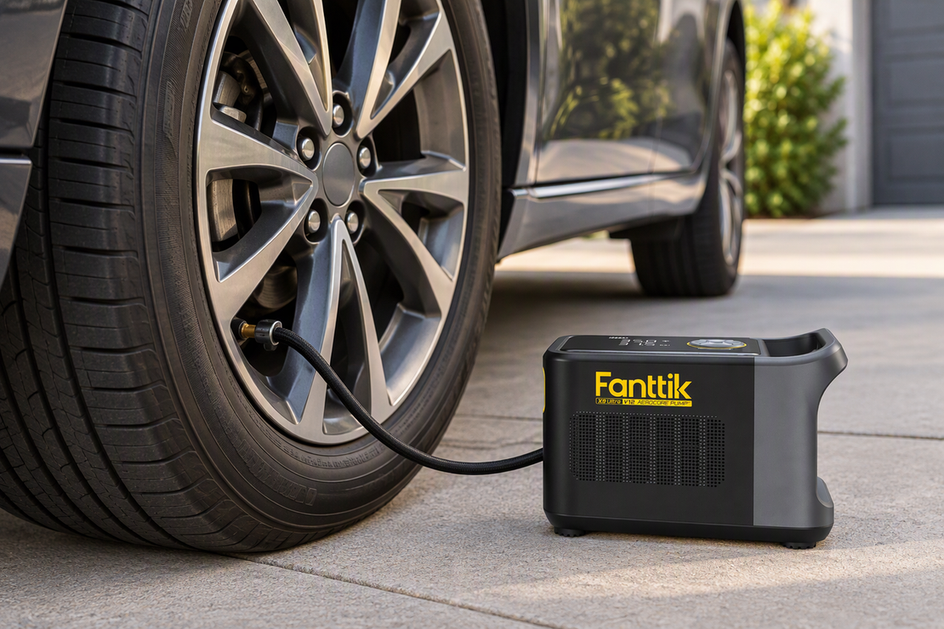
- Set it to the recommended pressure. Using a reliable gauge or portable inflator from our tire inflators lineup, inflate the low tire to the vehicle's recommended PSI and write down that you did.
- Repeat the cold check. At your next check, make sure the car has again been parked at least three hours. Then measure the same tire and compare it with your notes.

If the same tire reads low again under the same cold condition, the pattern is confirmed. That settles the question of repeated tire air loss. It doesn't locate the leak. Bring your notes to the inspection, because they show the technician what you've seen and when.
When to Stop Using the Tire and Get Help
Stop using the tire if you can see physical damage. If there's no visible damage but the tire keeps losing pressure, have a professional inspect it.
Visible Cuts, Cracks, or Bulges
NHTSA lists signs of physical damage, such as cuts, cracks, or bulges, as reasons to stop using a tire. If you find any of these, adding air doesn't make the tire safe. It's still a damaged tire at the right pressure. Stop using it and contact a tire service provider for help. This is the one case where the decision doesn't wait for a second reading.
Pressure Keeps Dropping
If you see no damage but your readings confirm repeated loss, book a professional inspection. That is the advice from both NHTSA and USTMA. USTMA's guidance says tires that keep needing air should be inspected thoroughly, then properly serviced or replaced immediately. To find a shop, the AAA repair facility locator lets you search by city or ZIP code and filter for Tire/Wheel Service. Call ahead to confirm the shop can check a tire for a leak. When you arrive, share your pressure log and any recent hard impact. The technician can then check the tire, valve, bead, and wheel for the actual source.
FAQs
What does the TPMS light mean if only one tire is low?
TPMS stands for tire pressure monitoring system. According to NHTSA's explanation of the TPMS warning, the dashboard symbol means at least one tire is significantly underinflated. You should inspect your tires and check the pressure as soon as possible. The light doesn't identify the leak source. If your car's display and a handheld gauge show different numbers, our guide on when TPMS and gauge readings disagree explains how to settle it.
Should I fill the tire to the number on the sidewall?
No. The proper PSI is the vehicle manufacturer's recommended cold pressure, not the maximum pressure molded into the tire's sidewall. These two numbers mean different things. The recommended pressure is what the vehicle is set up to run on. The sidewall number is the tire's upper limit.
Could a temperature drop explain the low reading?
Cold weather lowers tire pressure and can set off TPMS alerts. Our article on seasonal temperature drops and TPMS covers how that works. Weather doesn't explain one tire that keeps reading low compared with the others when all of them are checked cold. In that case, treat it as a tire that isn't holding pressure.
Is a can of tire sealant a fix for a slow leak?
Sealant doesn't show where the air is escaping. It also doesn't replace the thorough inspection USTMA calls for when a tire keeps needing more air. We explain why sealant cans aren't permanent repairs, including what that means for TPMS sensors and later shop service.


Leave a comment
This site is protected by hCaptcha and the hCaptcha Privacy Policy and Terms of Service apply.