























An aerosol tire sealant can is an emergency mobility tool, not a permanent flat repair. It can slow air loss long enough to reach a shop, but the tire still needs to come off the wheel for inspection before anyone can call it fixed.
That distinction matters because sealant residue can interfere with TPMS sensors on some vehicles, complicate cleaning and balancing at the shop, and never actually seals a puncture from the inside. The sections below walk through each consequence in the order you'll run into them, then point to a cleaner roadside option and the point where you should stop and call for professional help.
The Short Answer: Sealant Is Temporary, Not a Permanent Repair
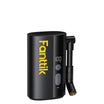
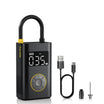
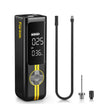
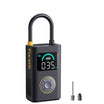
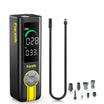
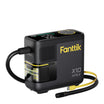
A sealant can is designed to get you moving again, not to finish the repair job. Instead of relying on chemical cans, using a portable tire inflator provides clean air for a controlled trip to service where the actual repair decision happens after the tire comes off the rim.
Emergency Mobility Is Not the Same as a Repair
Spraying sealant into a leaking tire can slow or stop air loss long enough to drive to a service center. It does nothing to inspect the puncture, check for internal damage, or confirm the tire is structurally sound. Treating that temporary fix as a finished repair means driving on a tire nobody has actually verified is safe. Once the sealant goes in, plan on a shop visit, not on returning the tire to normal daily use.
What a Qualifying Permanent Repair Requires
According to USTMA repair guidance, a tire only qualifies for repair when the injury is limited to the tread area and no larger than 1/4 inch in diameter. Even then, the tire must be removed from the wheel so a technician can inspect the inner liner for hidden damage. The accepted method combines a rubber stem to fill the puncture with a patch that seals the inner liner; a plug alone doesn't meet that standard. USTMA's guidance is also clear that an outside-in or on-the-wheel repair, the kind you'd do with sealant or an external plug on the road, doesn't count as a permanent fix.
Can Aerosol Tire Sealant Ruin a TPMS Sensor?
For at least some vehicles, yes: sealant can clog the sensor's pressure port and cause inaccurate readings. This isn't true for every sealant on every vehicle, so treat it as a real risk to check rather than a universal rule.

How Sealant Can Interfere With TPMS Hardware
TPMS sensors read air pressure through a small port on the valve stem assembly. Liquid sealant can find its way into that port and block it, which throws off the pressure reading the sensor sends to your dashboard. According to a GM TPMS bulletin covering its passenger cars and light-duty trucks, commercially available sealants aren't compatible with the pressure sensors on those vehicles: they can clog the port, cause inaccurate readings, and trigger improper low-tire warnings. The bulletin also notes that some sealant formulas can degrade the protective potting material that covers the sensor's electronics. If a warning light appears or a pressure reading looks wrong after using sealant, don't assume it's just a routine reset issue.
Why "TPMS-Safe" Is Not a Universal Label
A product labeled compatible with tire-pressure sensors is making a claim about its own formula and the vehicles it was tested on, not a blanket promise across every make, model, and sensor type. The GM bulletin's warning is scoped to its own systems, and other manufacturers may have different sensor designs and different sensitivities to sealant chemistry. If an emergency leaves no cleaner option, use only a product whose label specifically covers your vehicle and TPMS setup, and treat that as a separate question from whether the tire itself is permanently repaired.
Why Sealant Can Complicate Wheel Balance and Tire-Shop Service
Sealant residue changes how much work a shop has to do before it can even assess the tire, and that can affect whether a quick patch job stays on the table. None of this means every shop refuses every contaminated tire outright.
Why Residue Changes the Service Workflow
A tire that only lost air can often go straight to inspection. A tire with sealant inside has to be demounted with the residue in mind, cleaned out, and the inner liner and sensor checked before a technician can decide what's actually possible. That extra handling step is the direct result of introducing liquid material into a cavity that's normally dry, and it's part of why sealant use should be disclosed rather than left for the shop to discover.
What "Refuse to Patch" Actually Means
Some shops decline to perform an on-the-wheel patch on a sealant-contaminated tire or limit the service they'll offer, rather than refusing to touch the tire at all. That decision depends on the shop's own policy, what the inspection turns up, whether the sensor still reads correctly, and whether the tire can be safely balanced afterward. Tell the technician exactly what product was used and how much before they start work; it changes what they check first and how they scope the job.
A Cleaner Roadside Option: Inflator Plus External Plug
A portable inflator adds air without putting any liquid inside the tire, which sidesteps the residue and TPMS exposure that come with a sealant can. An external plug can be a temporary aid for a qualifying tread puncture, but it's not a substitute for the demounted repair described above.
| Roadside approach | What it does | What it does not establish |
|---|---|---|
| Aerosol sealant can | Slows air loss, adds temporary pressure | Tire condition, sensor status, or a permanent repair |
| Inflator + external plug | Restores pressure, may temporarily hold a small tread puncture | Structural integrity or a permanent repair |
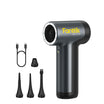
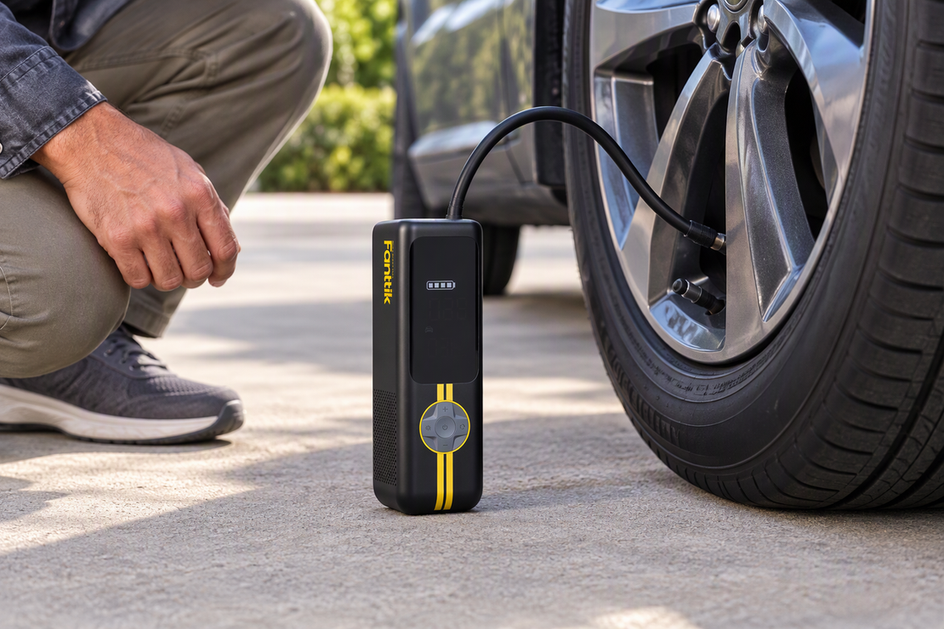
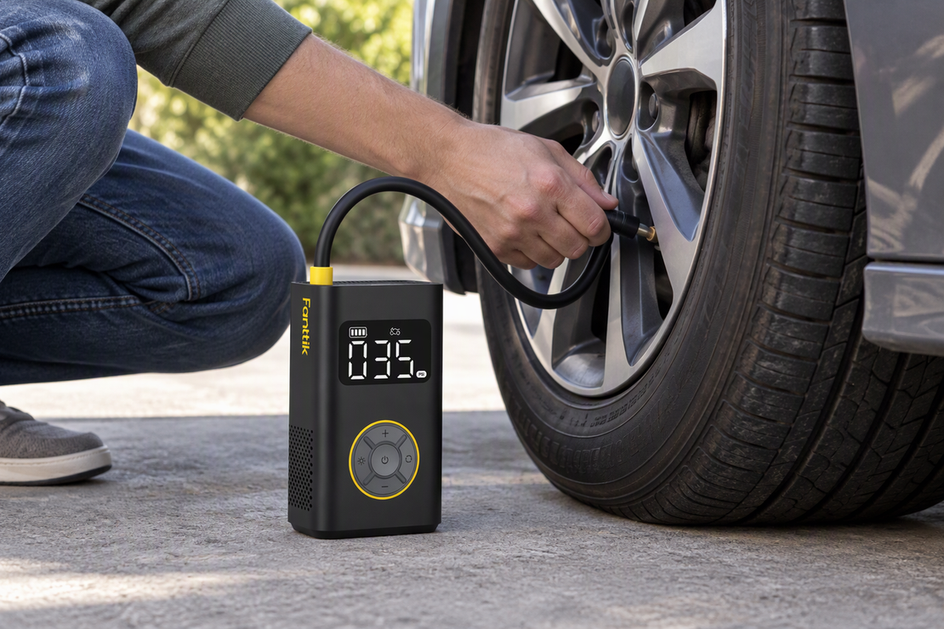
If you're looking for the best portable tire inflator for this kind of roadside use, the priority is a unit that adds air quickly and stops automatically once you hit a target pressure, so you're not guessing at PSI on the shoulder of a road. Our Fanttik X9 Pro inflator is documented to refill a compact car tire from 30 to 35 PSI in about a minute and to auto-stop at a preset pressure, which is useful for a controlled trip to a shop rather than continued driving. That capability covers inflation only. It says nothing about whether an external plug is appropriate for your puncture or whether the tire is safe to keep driving on, so treat both tools as a bridge to inspection, not a finish line.
When You Should Stop and Get Professional Tire Service
Stop relying on an inflator or plug the moment the damage falls outside a simple tread puncture, and arrange a tow or professional roadside help instead. Continuing to drive on a compromised tire because the pressure is temporarily holding is the wrong call.
Stop Before Using a Plug
Don't attempt a roadside plug if the damage is in the sidewall or shoulder, since USTMA's repair guidance only covers tread-area injuries no larger than 1/4 inch. Rapid leakage, visible structural damage, or a tire that's already been driven while flat are also reasons to stop rather than patch and continue. If you're not sure what you're looking at, treat that uncertainty itself as the reason to get a professional look, not as a reason to add more sealant and hope.
The Service Decision Comes After Inspection
Once you reach a shop, the technician still has to demount the tire and inspect it before deciding whether it qualifies for repair or needs replacement. Tell them upfront whether you used sealant, an external plug, or both, since that changes what they check first. Holding air for now doesn't mean the tire is fine; that determination only comes after inspection.

FAQs
Can I use sealant in an emergency?
Yes, but only if the product label specifically covers your vehicle and TPMS system and no cleaner option, like a portable inflator, is available. Treat it strictly as temporary mobility: disclose the sealant to whoever services the tire next, and expect that tire to need inspection before it goes back into normal use.
Why do tire shops refuse to repair tires with sealant?
It's not a universal refusal. A shop may decline an on-the-wheel patch or limit service on a specific tire because sealant residue requires extra demounting, cleaning, and sensor checks before they can even assess whether the tire is repairable, and that assessment is shop-specific.
How do I properly repair a flat tire?
The tire has to come off the wheel so a technician can inspect the inner liner for hidden damage. If the puncture is confined to the tread area and no larger than 1/4 inch, an accepted repair uses a rubber stem to fill the injury along with a patch sealing the inner liner. Damage outside those limits usually means replacement instead.
Does a TPMS-safe sealant label make it a permanent repair?
No. A TPMS-safe claim only addresses whether that specific formula is compatible with your sensor system, which is a separate question from whether the tire has been permanently repaired. Even with a compatible sealant, the tire still needs demounting, inspection, and an approved repair or replacement.
Continue reading
 How to Wire and Solder Automotive Auxiliary Lights and Dash Cams Reliably
A step-by-step guide to splicing, soldering, and sealing automotive wiring for dash cams and auxiliary lights, with safe...
How to Wire and Solder Automotive Auxiliary Lights and Dash Cams Reliably
A step-by-step guide to splicing, soldering, and sealing automotive wiring for dash cams and auxiliary lights, with safe...
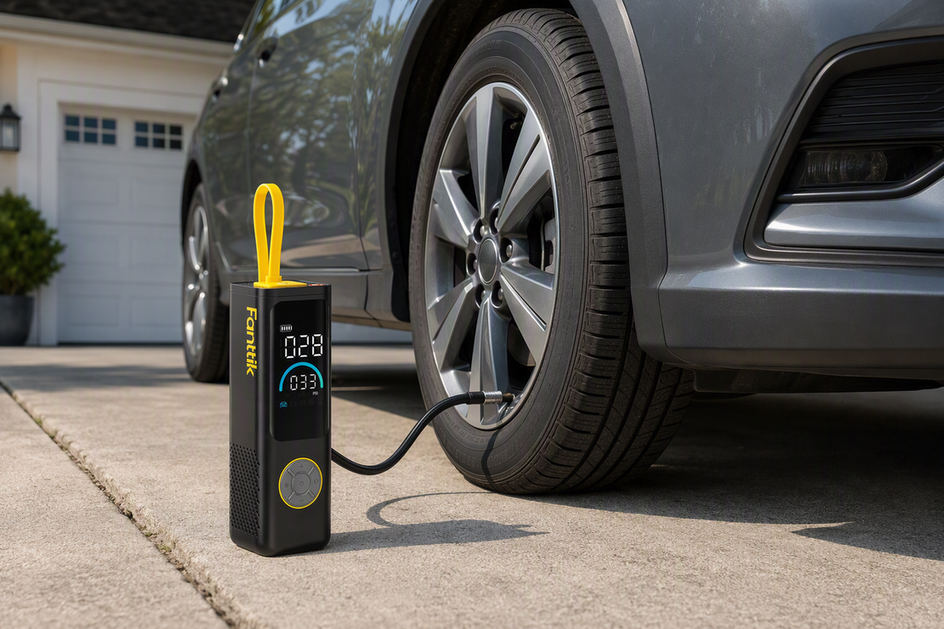 Why Does Your Car Pull to One Side? Checking Alignment vs Uneven Tire Pressure
A practical guide to telling apart tire-pressure pulling from alignment issues, with the correct cold-pressure check and when...
Why Does Your Car Pull to One Side? Checking Alignment vs Uneven Tire Pressure
A practical guide to telling apart tire-pressure pulling from alignment issues, with the correct cold-pressure check and when...

Leave a comment
This site is protected by hCaptcha and the hCaptcha Privacy Policy and Terms of Service apply.