































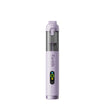









No. A tire inflator can put air back into a tire, but it can't make tire sidewall damage safe to drive. A normal PSI reading doesn't prove the tire is sound either, because pressure only tells you how much air is inside, not whether the tire's structure is intact.

If you see a bulge, blister, or deep cut or crack, keep the tire out of service. Arrange safe transport to a qualified tire professional instead of driving on it. The guidance below comes from U.S. passenger and light-truck tire sources, and motorcycle tires are covered separately.
Can a Tire Inflator Make Sidewall Damage Safe?
No. An inflator does one job: it raises inflation pressure. It doesn't inspect, seal, or repair a damaged sidewall, and it can't show you what's happening inside the tire.
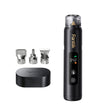
Tire makers treat these as two different questions. Bridgestone Americas' tire inspection guidance lists checking inflation pressure and checking tire condition as separate steps. Even with dedicated gear like a tire inflators bundle, a tire can pass the pressure check and fail the structural condition check.
The risk is why the difference matters. The U.S. Tire Manufacturers Association (USTMA) warns in its Tire Care and Safety Guide that driving on damaged tires is dangerous. A damaged tire can fail suddenly, which can lead to serious injury or death. Restoring the right PSI fixes the pressure, not the damage.
That USTMA guidance covers passenger and light-truck tires. Motorcycle riders have their own source: Bridgestone's motorcycle tire manual also warns that a damaged tire can fail suddenly. It says listed damage should be inspected by a qualified tire service person.
What Should You Do After Noticing Sidewall Damage?
Put the inflator away and look at the tire itself. If it shows one of the findings below, the tire stays parked until a qualified tire professional has seen it.
NHTSA's consumer tire safety guidance says to stop using tires that show signs of physical damage, such as cuts, cracks, or bulges. USTMA gives a more specific list, and that list drives these steps:
- Check for USTMA's removal findings. USTMA's listed removal conditions include bulges, blisters, and deep cuts or cracks. On a sidewall, a bulge or blister shows up as a raised bubble or lump.
- If you find one, don't drive on the tire. Don't add air just to limp to a shop. Keep the vehicle in a safe spot and arrange safe transport, such as roadside assistance or a tow. If you're stuck on a highway, our highway shoulder safety steps cover where to position the car and when to call for help.
- Get a qualified inspection. Have a tire service professional examine the tire before anyone decides on repair or replacement. Bridgestone Americas also recommends professional attention for suspicious cuts, scrapes, bulges, bumps, or cracks.
- Treat an unclear mark as a question for a pro. Not every visible mark is equally severe, but a pressure gauge can't tell you which kind you have. Don't treat added air as clearance. USTMA advises asking a tire service professional about any questions or concerns on tire condition.
Riders can follow the same inspect-first path using Bridgestone's motorcycle manual. If a tire with no visible damage keeps going soft, our guide on why one tire keeps losing air explains how to confirm the drop and when to stop using the tire.
How Does a Qualified Tire Assessment Decide Repair or Replacement?
A tire professional takes the tire off the wheel, inspects it inside and out, and compares the damage against repair limits. For passenger and light-truck tires, a sidewall injury falls outside those limits.
USTMA's passenger and light-truck repair procedure requires removing the tire from the rim and wheel assembly for a complete inspection to assess all the damage that may be present. An inflator can't do this step. A gauge reads air pressure through the valve, while the inspection looks at the inside of the tire, where some damage can only be seen with the tire off.

The same procedure limits puncture repairs to the tread area. If there's any question that the injury reaches the shoulder or belt edge, the tire must be taken out of service. Tire sidewall damage sits outside that tread-only zone, so it doesn't qualify for a puncture repair under this procedure.
USTMA also notes that not all tires can be repaired. Specific limits should follow the tire manufacturer's recommendations or repair policy, or the type of tire service. In practice, the decision splits two ways. Damage inside the tread area and within the manufacturer's limits may be repairable. Damage outside those limits, or damage whose reach is uncertain, means the tire is removed from service and replaced.
When you arrive at the shop, tell the technician where you saw the damage and whether the tire was losing air. If internal structural cords are cut or the casing has separated, approve an immediate replacement rather than attempting to reinflate and drive away.
FAQs
Does a normal PSI reading mean a damaged tire is safe?
No. A PSI reading measures inflation pressure only. Pressure and condition are separate checks, so a tire can read right at its recommended pressure and still have a bulge, blister, or deep cut that takes it out of service. If your readings seem inconsistent on an undamaged tire, roadside gauge reading errors are a separate problem worth sorting out.
Is a short drive OK after adding air to a damaged sidewall?
No safe distance is established for this. USTMA says tires with bulges, blisters, or deep cuts or cracks should be removed from service, and NHTSA advises stopping use of tires that show physical damage. For those findings, arrange transport to a tire shop rather than driving, even for a few miles.
Can sidewall damage be repaired?
Under USTMA's puncture-repair procedure for passenger and light-truck tires, repairs are limited to the tread area. That puts the sidewall outside the repairable zone. A tire professional makes the final call after taking the tire off the wheel for a full inspection. When the damage is outside repair limits, the tire gets replaced.
Does this advice apply to motorcycle tires?
Motorcycle tires follow their own guidance. Bridgestone's motorcycle manual tells riders to look for cuts, cracks, splits, or bruises in the tread and sidewall, and notes that bumps or bulges may indicate a separation inside the tire. It calls for inspection by a qualified tire service person. It also says a tire with a puncture or other damage outside the tread area can't be properly repaired and must be replaced.
Continue reading
 When Should You Stop Repeatedly Trying to Jump-Start a Car?
Repeated failed jumps are a signal to stop cycling attempts. This guide covers frozen-battery warnings, a slow-crank cable...
When Should You Stop Repeatedly Trying to Jump-Start a Car?
Repeated failed jumps are a signal to stop cycling attempts. This guide covers frozen-battery warnings, a slow-crank cable...
 Can You Jump-Start a Hybrid Car’s 12-Volt Battery?
Toyota and Lexus hybrid manuals show how 12-volt jumps restart the hybrid system, why the high-voltage pack is...
Can You Jump-Start a Hybrid Car’s 12-Volt Battery?
Toyota and Lexus hybrid manuals show how 12-volt jumps restart the hybrid system, why the high-voltage pack is...


Leave a comment
This site is protected by hCaptcha and the hCaptcha Privacy Policy and Terms of Service apply.