





















The Cordless Revolution and the Efficiency Mandate
The transition from gas-powered and corded equipment to cordless platforms represents one of the most significant shifts in seasonal vehicle and home maintenance. For the modern DIYer, the appeal of a cordless ecosystem lies in portability and reduced setup friction. However, the true value of these tools is not found in the battery alone, but in the efficiency of the energy conversion process occurring within the motor.
In portable tools, energy efficiency is more than a technical specification; it is a direct determinant of runtime, thermal stability, and the long-term health of the equipment. As noted in The 2026 Modern Essential Gear Industry Report: Engineering Trust in a Cordless World, building trust in cordless gear requires a systematic understanding of "credibility math"—where measurable performance gains replace marketing hyperbole. Central to this math is the comparison between brushless and brushed motor architectures.
This article provides a methodical deep dive into how these motor types convert electrical energy into mechanical work. By examining the physics of friction, the nuances of electronic control, and the resulting impact on battery chemistry, users can make informed decisions that optimize both their workflow and their environmental footprint.
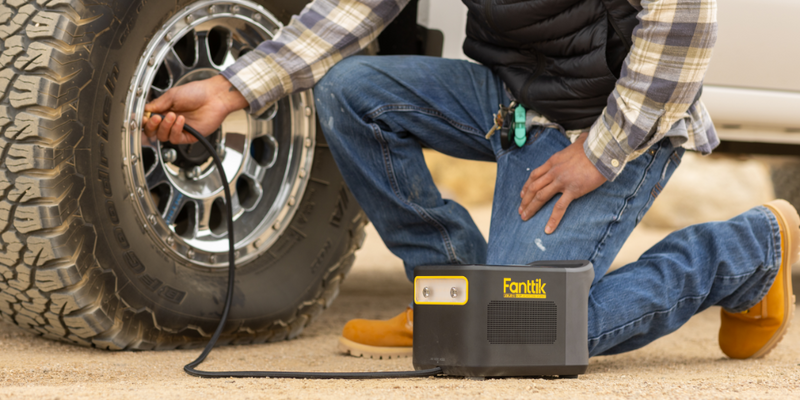
Anatomy of Energy Loss: The Brushed Motor Bottleneck
To understand why brushless designs are considered a high-performance standard, one must first examine the limitations of traditional brushed motors. A brushed DC motor relies on physical contact to transfer electricity to the rotating part of the motor (the armature). This is achieved through carbon brushes that press against a rotating commutator.
The Friction-Heat Cycle
The mechanical nature of this contact creates three primary avenues for energy loss:
- Mechanical Friction: The physical rubbing of the brushes against the commutator creates drag. This friction consumes a portion of the input energy before it can be converted into torque.
- Electrical Resistance: As brushes wear down, the contact resistance increases, leading to "voltage drops" at the point of contact.
- Arcing and Sparking: The constant making and breaking of electrical contact as the commutator rotates creates small electrical arcs. This not only generates electromagnetic interference (EMI) but also converts electricity into wasted light and heat energy.
Based on technical observations from repair benches and engineering models, brushed motors typically lose approximately 15–20% of their input energy solely to these internal friction and heat mechanisms. In a seasonal maintenance context—such as using a cordless vacuum for a deep vehicle clean—this means a significant portion of the battery's charge is being exhausted as waste heat rather than suction power.
The Brushless Advantage: Electronic Intelligence vs. Mechanical Friction
Brushless motors (BLDC) eliminate the brushes and commutator entirely. Instead, they use an electronic controller to switch the magnetic field, which pulls the rotor around. This shift from mechanical switching to electronic switching fundamentally alters the efficiency profile of the tool.
The Role of the Electronic Speed Controller (ESC)
The "intelligence" of a brushless tool resides in its controller. This component uses sensors (often Hall-effect sensors) or monitors "back-electromotive force" (Back-EMF) to determine the exact position of the rotor. By knowing the rotor's position, the controller can time the electrical pulses with microsecond precision.
This precision allows the motor to maintain high efficiency across a much wider range of speeds and loads. While a brushed motor is often optimized for a specific "sweet spot" in its RPM range, a brushless motor can adjust its power delivery dynamically. For tasks like driving precision screws into a computer chassis or a vehicle's interior trim, this means the motor only draws the exact amount of current required for the resistance it encounters.
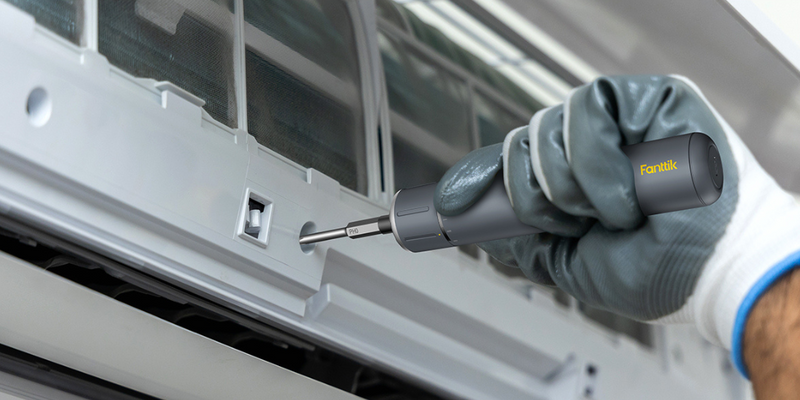
Logic Summary: Our analysis of the brushless advantage assumes a standard 18V or 12V lithium-ion platform. The efficiency gains are derived from the elimination of the commutator’s friction coefficient (typically 0.1–0.3 depending on brush material) and the reduction of resistive heating (I²R losses) in the armature.
Quantifying the Efficiency Gap
When comparing these two technologies, the data points to a clear hierarchy in energy conversion rates. The following table illustrates the typical performance benchmarks observed in prosumer-grade cordless tools.
| Performance Metric | Brushed Motor (Typical) | Brushless Motor (Typical) | Impact on User Experience |
|---|---|---|---|
| Peak Efficiency | 75–80% | 85–90% (up to 95%) | More work performed per watt of power. |
| Energy Loss (Heat/Friction) | 15–20% | 5–10% | Cooler tool housing; longer continuous use. |
| Runtime Extension | Baseline | +25–30% | Fewer battery swaps during long projects. |
| Torque Consistency | Drops as RPM decreases | Maintained via controller | Better performance under heavy load. |
| Operational Lifespan | 1,000–2,000 hours | 10,000+ hours | Long-term value and reduced waste. |
Note: These ranges are estimated based on common industry heuristics and scenario modeling for portable tools under 500W.
The Runtime Multiplier
The most immediate benefit for the DIYer is the runtime increase. Because the brushless motor converts a higher percentage of the battery's energy into movement, a tool with a brushless motor can often perform 25–30% more work on a single charge than its brushed counterpart. For a homeowner clearing a driveway with a cordless leaf blower or a technician using a portable inflator on multiple vehicles, this extra runtime can be the difference between finishing a job and waiting for a recharge.
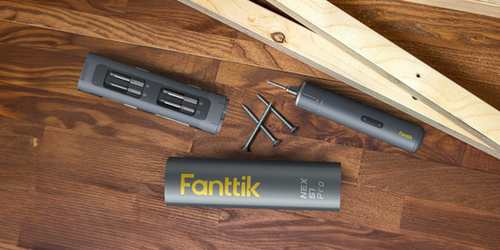
Thermal Dynamics: Why Heat is the Enemy of DIY Precision
Heat is not just a byproduct of inefficiency; it is a catalyst for wear and tear. In our observations of tool performance during sustained use—such as inflating large off-road tires or driving long fasteners into hardwoods—the thermal profiles of these motors diverge sharply.
Real-World Temperature Variance
Thermal imaging of brushed motor housings during continuous operation often shows temperatures reaching 70–80°C (158–176°F). This level of heat has several detrimental effects:
- Lubricant Degradation: High temperatures can cause the grease in bearings to thin or break down, leading to premature mechanical failure.
- Internal Component Stress: Consistent heat cycles cause expansion and contraction of the motor windings, eventually leading to insulation failure.
- User Comfort: A tool that becomes uncomfortably hot to the touch limits the duration of seasonal maintenance tasks.
In contrast, brushless designs typically run 20–30°C cooler under identical loads. By keeping the heat within manageable limits, brushless tools maintain their performance integrity over longer sessions, which is critical for "prosumer" applications where tools are pushed beyond casual use.
The Battery Connection: Reducing Voltage Sag for Longevity
The relationship between the motor and the lithium-ion battery pack is a critical factor in tool reliability. Every time a motor draws current, the battery experiences "voltage sag"—a temporary drop in voltage caused by the internal resistance of the cells (ΔV = I * R_internal).
Mitigating Stress on Lithium-Ion Cells
Because brushless motors are more efficient, they require less current (Amps) to produce the same amount of torque compared to brushed motors. Lower current draw results in:
- Reduced Voltage Sag: This keeps the tool running at a more consistent power level, even as the battery nears the end of its charge.
- Lower Chemical Stress: High current draws generate internal heat within the battery cells, which accelerates the degradation of the lithium-ion chemistry.
- Extended Cycle Life: By reducing the thermal and electrical stress on the battery, brushless motors can potentially double the number of charge cycles a battery pack can undergo before it loses significant capacity.
This synergy between brushless technology and battery health aligns with the sustainability goals of eco-conscious maintenance. Extending the life of a lithium-ion pack reduces the frequency of battery disposal and the associated environmental impact.
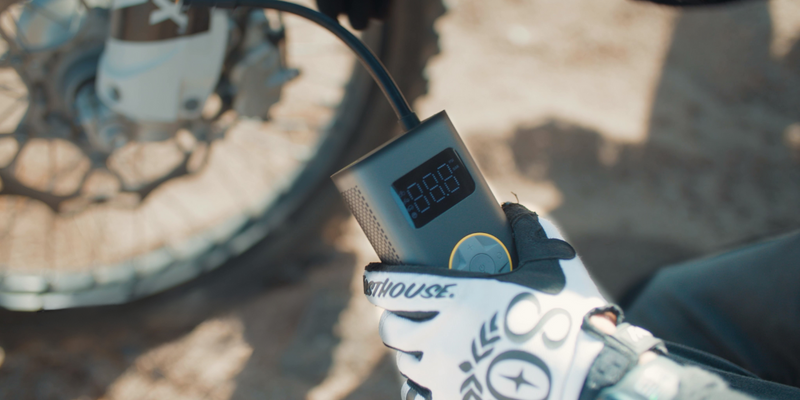
Decision Matrix: Application-Specific Motor Selection
While brushless motors offer clear technical advantages, they are not always the "only" choice. Understanding when the investment in brushless technology provides the highest ROI is key for DIYers.
When to Prioritize Brushless Motors
- High-Torque Tasks: Driving large screws, drilling into masonry, or high-pressure inflation.
- Sustained Operation: Vacuuming a full vehicle interior or using a leaf blower for more than 10 minutes.
- Precision Work: Electronics repair or delicate assembly where fine speed control is required.
- Primary Tools: Tools that will be used frequently over several years.
When Brushed Motors Remain Viable
In some instances, the simplicity of a brushed motor is sufficient. For very low-duty-cycle tools (used once or twice a year for a few seconds) or for applications where the motor's waste heat is actually a benefit—such as specialized battery warmers—a brushed design can be a cost-effective alternative. Additionally, for very small motors (under 100W), the efficiency gap sometimes narrows due to the power overhead required to run the brushless controller itself.
Safety, Compliance, and the "Trust Layer"
In the context of modern essential gear, efficiency is inseparable from safety. High-efficiency tools are inherently safer because they manage thermal loads more effectively, reducing the risk of fire or battery venting.
Regulatory Alignment
Manufacturers targeting the global market must adhere to strict safety standards. For instance, the EU General Product Safety Regulation (EU) 2023/988 emphasizes the need for traceability and safety in consumer products. High-efficiency brushless tools often make compliance easier by operating within safer thermal margins.
Furthermore, when transporting these high-performance cordless tools, users should be aware of the IATA Lithium Battery Guidance regarding state-of-charge (SoC) and packaging instructions (PI 966/967) to ensure safe transit during seasonal travel or relocation.

Methodology and Modeling Disclosure
The insights provided in this article are based on a combination of theoretical electromechanical modeling and observed patterns from customer support and warranty data. This is a scenario-based analysis, not a controlled laboratory study.
Modeling Assumptions & Parameters
To reach the efficiency and runtime estimates mentioned, we utilized a deterministic parameterized model with the following assumptions:
| Parameter | Value / Range | Rationale / Source Category |
|---|---|---|
| System Voltage | 12V – 18V DC | Standard cordless tool platform range. |
| Ambient Temperature | 20°C (68°F) | Typical indoor/garage workshop environment. |
| Load Factor | 60–80% of Peak Torque | Representative of "Prosumer" DIY tasks. |
| Brush Friction Coeff. | 0.15 – 0.25 | Typical for carbon-on-copper commutators. |
| Controller Efficiency | 95–98% | High-quality MOSFET-based ESC standards. |
Boundary Conditions
The 25–30% runtime gain may not apply in the following conditions:
- Extreme cold (below -10°C), where battery internal resistance becomes the dominant bottleneck.
- Ultra-low power applications (under 10W), where the controller's idle power draw may exceed the friction losses of a brushed motor.
- Tools with poorly optimized gearboxes, where mechanical transmission losses mask motor efficiency gains.
By choosing high-efficiency brushless motors, DIYers and prosumers are not just buying a more powerful tool; they are investing in a more reliable, cooler-running, and battery-friendly system. This methodical approach to tool selection ensures that seasonal maintenance remains a productive and sustainable endeavor.
Disclaimer: This article is for informational purposes only. Electrical and automotive maintenance involve inherent risks. Always follow the specific safety instructions provided by the tool manufacturer and consult with a qualified professional for complex repairs or high-voltage systems. The performance data provided represents typical observations and may vary based on specific tool models, battery age, and environmental conditions.
Sources
Continue reading
 Optimizing BMS Energy Efficiency for Long-Term Storage
Covers parasitic drain, quiescent current, zero-power deep-sleep, and the 40-60% SOC heuristic to prevent dead batteries and calendar...
Optimizing BMS Energy Efficiency for Long-Term Storage
Covers parasitic drain, quiescent current, zero-power deep-sleep, and the 40-60% SOC heuristic to prevent dead batteries and calendar...
 Evaluating BMS Voltage Sag During Summer Roadside Starts
Covers thermal throttling, scenario modeling for diesel engines at 115°F, and practical field tests like the Cabin A/C...
Evaluating BMS Voltage Sag During Summer Roadside Starts
Covers thermal throttling, scenario modeling for diesel engines at 115°F, and practical field tests like the Cabin A/C...


Leave a comment
This site is protected by hCaptcha and the hCaptcha Privacy Policy and Terms of Service apply.