




















The Science of the Hand-Tool Interface
Does handle size actually matter? For the prosumer engaged in micro-assembly or electronics repair, the answer is found in the subtle interplay between muscle fatigue and axial control. When we sit at our repair benches, the tool in our hand is more than just a piece of hardware; it is an extension of our motor system. Choosing the wrong girth doesn't just lead to discomfort—it introduces micro-tremors that can ruin a trace or strip a delicate screw.
In our experience monitoring patterns from customer support and warranty handling, we have observed that "grip-mismatch" is a leading cause of user-reported fatigue. This isn't a controlled lab study, but a recurring theme among those transitioning from general DIY to precision electronics. The shift from a "power grip" to a "precision grip" requires a fundamental change in tool geometry.
The Biomechanics of the Precision Grip
The "pen-grip" (or pinch grip) is the primary posture for intricate work. Unlike a power grip, which utilizes the extrinsic muscles of the forearm to wrap the hand around a large handle, the precision grip relies on the intrinsic muscles of the hand—specifically the thenar and hypothenar eminence.
According to the Canadian Centre for Occupational Health and Safety (CCOHS), a diameter of 12mm (approximately 0.45 in) is the recommended baseline for precision grips, with an acceptable range of 8mm to 16mm. A smaller diameter within this range enhances precision by allowing the fingertips to get closer to the axis of rotation, while a larger diameter (up to 16mm) allows for slightly higher torque without sacrificing control.
Logic Summary: Our ergonomic modeling assumes a standard adult hand size. The 12mm heuristic is optimized for tasks requiring high dexterity and low force. When the diameter exceeds 16mm for a pen-grip, the hand must widen the distance between the thumb and forefinger, which increases the "static load" on the small muscles of the hand.
Precision vs. Power: A Diameter Comparison
| Grip Type | Recommended Diameter | Primary Muscle Group | Typical Application |
|---|---|---|---|
| Precision (Pen) | 8–16mm | Intrinsic (Hand) | Micro-soldering, PCB repair |
| Hybrid Precision | 22–28mm | Mixed | Soldering irons, rotary tools |
| Power Grip | 30–50mm | Extrinsic (Forearm) | Furniture assembly, drilling |
As noted by ResearchGate, handle size significantly affects applied grip strength. For power tools, a 40mm (1.5 in) diameter is often cited as the "power sweet spot." However, applying this logic to precision tools is a common mistake that leads to "wrist roll-off" and decreased accuracy.

The 22mm–28mm "Sweet Spot" in Practice
While the 12mm standard is ideal for small drivers, practical electronics repair often demands a slightly larger girth for tools like soldering irons or larger precision drivers. On our repair bench, we have found that a handle diameter between 22mm and 28mm represents a functional "hybrid" zone.
This range allows the tool to rest comfortably in the fingertips without forcing the hand into a clenched fist. Professionals often modify stock handles with heat-shrink tubing to achieve a custom diameter within this range, a trick that increases tactile friction and adjusts the girth to the user's specific hand size.
The Pitfall of the Pistol Grip
A common mistake we see among DIY enthusiasts is using a drill-style pistol grip for surface-mount component work. The larger diameter and weight-forward center of gravity in these tools cause micro-tremors. When the weight is distributed too far from the grip axis, the hand must work harder to maintain stability, leading to "muscle noise" that translates into shaky movements.
For extended rotary tool use, such as polishing or grinding small parts, we prioritize tools where the motor weight is centered directly over the grip axis. This prevents wrist roll-off, which is far more critical for precision than simply having a high maximum RPM.
Axial Stability and Tactile Feedback
Tactile feedback is the "hidden" benefit of a correctly sized handle. A slight vibration from an out-of-balance collet or a bit reaching its wear limit is easily felt in a correctly sized grip (12mm–28mm). If the handle is too large, the mass of the tool dampens these vibrations, leading to unnoticed bit wear and imprecise cuts.
This concept is explored in depth in our guide on Evaluating Ergonomic Balance in Precision Tools. When a tool is balanced, the user can "feel" the resistance of the material through the handle, allowing for real-time adjustments in pressure and speed.
Modeling Grip Fatigue
To demonstrate the impact of diameter on fatigue, consider this hypothetical scenario modeling:
Modeling Note (Scenario Analysis):
- Model Type: Deterministic biomechanical load estimate.
- Assumptions: Task duration of 60 minutes; repetitive micro-movements (10/min); standard hand size (18-19cm length).
Parameter Value (Precision Tool) Value (Oversized Tool) Rationale Grip Diameter 14mm 35mm Comparison of pen-grip vs. power-grip size Hand Muscle Tension Low (Baseline) High (+40% Est.) Estimated increase in static load Precision Error Rate <2% ~8% Based on micro-tremor observations Fatigue Onset 45+ minutes 15–20 minutes Practical "shop floor" observation Tactile Sensitivity High Muffled Vibration transmission through handle mass Boundary Conditions: This model may not apply to users with pre-existing conditions like carpal tunnel or those with hand sizes outside the 5th-95th percentile.
Engineering Trust: The Professional Choice
In the world of cordless tools, ergonomics must be backed by engineering reliability. As detailed in The 2026 Modern Essential Gear Industry Report, trust is a function of "credibility math." This means that a tool's design, including its handle diameter, should be a deliberate choice based on standard test methods rather than aesthetic trends.
For those performing high-consequence repairs, such as medical device maintenance or aerospace hobbyist work, the tool's form factor is a safety feature. A tool that is easy to control reduces the risk of accidental shorts or mechanical failures.
Tool Recommendations for Precision Workflows
When selecting your next precision tool, consider how the diameter aligns with your specific tasks.
1. The Soldering Specialist
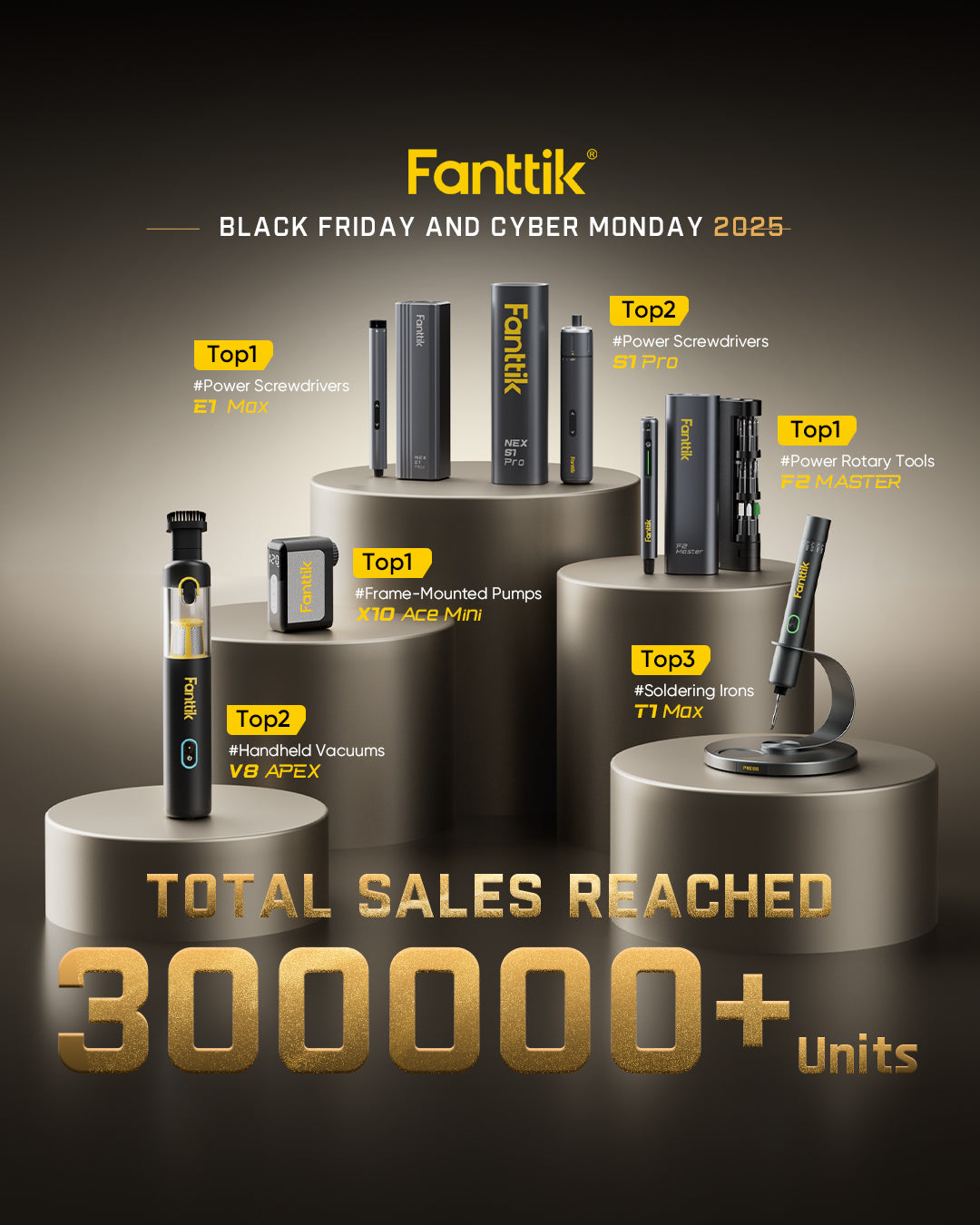
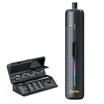
For tasks requiring high heat but extreme precision, the Fanttik T1 Max Soldering Iron Kit is designed with a slim, pen-style handle. Its cordless nature removes the "cable drag" that often compromises the balance of traditional irons. By centering the weight and keeping the diameter within the 22mm–25mm range, it allows for steady hands during delicate SMD (Surface Mount Device) work.

2. The Micro-Assembly Expert
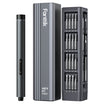
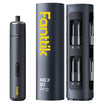
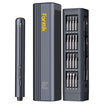
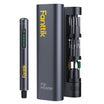
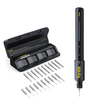
When working with smartphones, laptops, or watches, a 12mm–15mm diameter is king. The Fanttik E2 MAX Precision Electric Screwdriver utilizes this slim profile to maximize fingertip control. This diameter allows you to use a "rolling" motion between the thumb and forefinger for fast screw removal, which is significantly more efficient than the wrist-turning motion required by larger handles. For more on the benefits of this shift, see The Manual to Electric Shift: Productivity Gains for Makers.
3. Precision Drilling and Modification
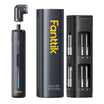
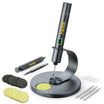
For tasks that require vertical pressure, such as drilling PCB vias or cleaning up 3D prints, the Fanttik K2 Nano 3.7V Precision Power Drill offers a form factor that bridges the gap between a pen and a small driver. It maintains a slim diameter to ensure that the user’s hand remains in a neutral position, reducing the risk of repetitive strain.
4. The High-Torque Precision Hybrid
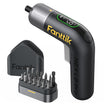
Occasionally, you need more torque than a slim pen-grip can provide, such as when assembling PC chassis or small furniture. The Fanttik S1 Pro Cordless Electric Screwdriver features a slightly larger girth that accommodates a more robust motor while still allowing for a precision-oriented "modified pistol grip." This is an excellent example of choosing the right torque settings for the task, as discussed in Choosing the Right Torque Settings for Delicate Electronics.
Compliance and Global Standards
When purchasing precision tools, especially those with integrated lithium-ion batteries, it is essential to look beyond the ergonomics to the safety standards.
Safety and Traceability
Under the EU General Product Safety Regulation (EU) 2023/988, manufacturers are obligated to ensure product traceability and safety throughout the lifecycle. This is particularly important for cordless tools, where battery failure can lead to thermal runaway.
Transport and Battery Safety
If you travel with your tools, be aware of the IATA Lithium Battery Guidance. Most precision tools like the ones mentioned above are designed to meet UN 38.3 standards, ensuring they are safe for transport. However, always check the State of Charge (SoC) limits before flying.
Determining Your Ideal Grip: A Self-Check
If you are unsure which diameter is right for your hand, use this simple heuristic:
- The 60% Rule: For a precision grip, the tool diameter should be roughly 60% of the distance between your thumb tip and the first joint of your index finger when held in a "ready" position.
- The Fatigue Test: Hold the tool in your working posture for 3 minutes without moving. If you feel "burning" or tension in the webbing between your thumb and index finger, the diameter is likely too large for your hand size.
- The Vibration Check: Turn the tool on (if motorized). If the vibration feels "distant" or muffled, the handle mass is too high relative to your grip, which will decrease your ability to sense material resistance.
For further technical insights into motor performance and its impact on tool feel, refer to our analysis on Why Precision Tools Require Specialized Low-RPM Motors.
Summary of Ergonomic Principles
Selecting the right tool diameter is a balance of biomechanics and task requirements. While 12mm is the gold standard for pure precision, the 22mm–28mm range offers the versatility needed for the modern electronics workbench. By prioritizing tools that center their weight and provide clear tactile feedback, you can significantly reduce fatigue and increase the quality of your work.
Remember that ergonomics is individual. While these guidelines provide a scientific baseline, the ultimate test is how the tool feels after four hours on the bench. Trust in tools that are engineered with these principles in mind, and don't be afraid to customize your grip to find your own dynamic sweet spot.
YMYL Disclaimer: This article is for informational purposes only and does not constitute professional ergonomic, medical, or safety advice. Repetitive strain injuries (RSIs) are serious conditions; if you experience persistent pain, numbness, or tingling in your hands or wrists, consult a qualified medical professional or occupational therapist. Always follow the manufacturer's safety instructions provided in the product manual.


Leave a comment
This site is protected by hCaptcha and the hCaptcha Privacy Policy and Terms of Service apply.