























Climate-First Planning: Selecting Gear for High-Desert Storage
If you live in the high deserts of Arizona, Nevada, or New Mexico, you know that the environment isn't just a backdrop—it is a relentless stress test for everything you own. We often talk to vehicle owners who are frustrated because their emergency gear, which sat untouched in a trunk for six months, failed the very moment they needed it. In the desert, "unused" does not mean "new."
The interior of a vehicle parked in the Phoenix sun can easily reach 160°F (71°C). At these temperatures, the physics of your hardware changes. Batteries degrade, lubricants migrate, and plastic housings can develop invisible fractures. Choosing gear for in-vehicle storage in these climates requires a shift from looking at "specs" to looking at "resilience." This guide is designed to help you build a kit that doesn't just look good on a shelf but survives the cumulative thermal load of a desert summer.

The Hidden Tax of Desert Heat: Cumulative Degradation
The most common failure point for electronics left in hot cars is rarely a sudden explosion or a dramatic "melt." Instead, it is a gradual, cumulative loss of capacity. Based on patterns we observe from field technicians and common warranty handling, a lithium-ion battery stored at 120°F (49°C) can lose up to 20% of its usable capacity in a single summer season. This happens because high heat accelerates the chemical reactions within the battery, increasing internal resistance and permanently "locking away" energy that you can no longer access.
Logic Summary: This "20% Rule" is a heuristic used by field mechanics in extreme heat zones to estimate the reliability of emergency jump starters and power banks. It assumes a standard lithium-ion (Li-ion) chemistry without active cooling, stored in a vehicle cabin where ambient temperatures exceed 100°F for more than 4 hours daily.
Beyond the battery, we must consider thermal expansion differentials. Your tools are made of multiple materials—plastic housings, metal gears, and rubber seals. These materials expand and contract at different rates. Over a summer of 40-degree diurnal temperature swings, these "micro-movements" can create micro-fractures in the housing. This compromises the tool's water and dust resistance long before the product outwardly fails.
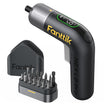
Furthermore, for tools with internal motors, such as electric screwdrivers or portable vacuums, sustained heat causes internal lubricants to thin and migrate. When the oil moves away from the bearings and gears, you may notice an audible grinding or increased wear within months of storage.
Decoding the Spec Sheet: What "Expert" Specs Actually Mean
When you are evaluating hardware for a high-heat environment, marketing terms like "heavy-duty" or "rugged" are essentially meaningless. To ensure safety and reliability, you need to look for specific engineering benchmarks.
1. Explicit Storage Temperature Ranges
A reliable heuristic from field mechanics: if a product's specification sheet lacks an explicit storage temperature range (e.g., -4°F to 140°F / -20°C to 60°C), assume it is not engineered for permanent in-vehicle storage. Operating temperature is the range in which the tool works; storage temperature is the range it can survive while turned off. In the desert, the storage range is the more critical number.
2. MIL-STD-810G Compliance
While often associated with military gear, the MIL-STD-810G standard provides a concrete framework for desert resilience. Specifically, look for gear tested under Procedure I (Storage) for high temperatures. This involves testing the product's ability to withstand sustained heat and thermal shock cycling. Shifting the burden of proof to these standards ensures you aren't the one "testing" the gear when your tire is flat in 110-degree heat.
3. IP Ratings and Seal Integrity
In the desert, dust is as much of a killer as heat. Fine silt can penetrate seals that have been weakened by thermal expansion. An IP65 rating or higher indicates that the device is protected against dust ingress and low-pressure water jets. However, remember that seals are often made of elastomers that can become brittle in dry, hot air.
Methodology Note: Our analysis of seal longevity assumes a standard thermoplastic elastomer (TPE) or silicone seal. In desert environments, the lack of humidity combined with high UV exposure can accelerate "dry rot" in these components.
Material Science: UV and Thermoplastics
While heat is the primary concern for internal components, UV radiation is the primary degradation force for the exterior. According to the 2026 Modern Essential Gear Industry Report, engineering trust in a cordless world requires visible compliance with material standards.
Most consumer gear uses thermoplastics for housings. Without specific UV stabilizers, these plastics can become brittle and "chalky" when exposed to direct sunlight through a windshield. While there is no simple conversion factor for desert years, industry standards like ASTM G154 and G155 are used to test UV weathering. If you plan to store gear in a way that it might catch direct sun (like on a dashboard or in an open truck bed), prioritize metal housings or plastics explicitly rated for UV resistance.
The Climate-First Decision Matrix
To help you decide which gear is safe for your vehicle, we have developed a Multi-Criteria Decision Matrix (MCDM) inspired by industrial material selection processes. This framework helps you move past the "guesswork" of storage.
| Gear Category | Thermal Criticality | Recommended Storage Location | Key Spec to Check |
|---|---|---|---|
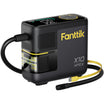
| Jump Starters | High | Under-seat (lowest heat) | Storage Temp Max > 140°F |
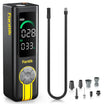
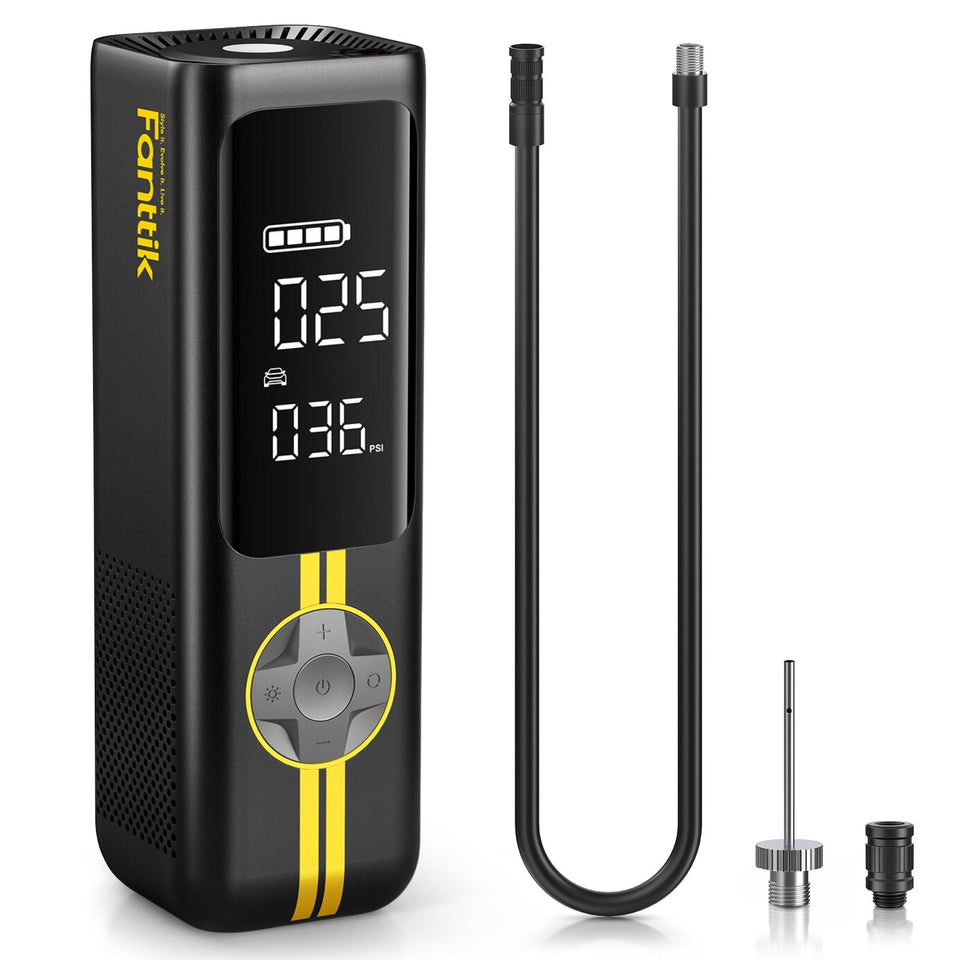
| Tire Inflators | Medium | Trunk/Cargo Area | IP65 Rating |
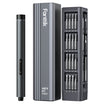
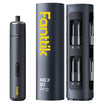
| Electric Tools | Medium | Glove Box/Center Console | Lubricant Type (Synthetic preferred) |
| Power Stations | High | Insulated Case in Trunk | Battery Chemistry (LiFePO4) |
| Cleaning Gear | Low | Trunk | Housing Material (UV Stabilized) |
Scenario A: The Daily Commuter (Standard Case)
For a user in Las Vegas who parks in an open lot during work, the interior temperature will peak daily. In this scenario, gear should never be left on the seats. The "floorboard rule" applies: store gear as low as possible in the vehicle, as the temperature difference between the headliner and the floor can be as much as 30 degrees.
Scenario B: The Off-Road Adventurer (Edge Case)
For those who spend weekends in the high desert, gear faces both extreme heat and intense vibration. Standard consumer-grade tools often fail here because the internal components aren't "potted" or secured against vibration. In this case, MIL-STD-810G ratings for vibration and shock are non-negotiable.
The Paradox of Climate-Controlled Storage
Many people believe that renting a climate-controlled storage unit is the ultimate solution for protecting expensive gear. However, there is a "storage paradox" to consider. According to market data on storage facility running expenses, the energy cost to maintain these environments is substantial. For an individual, the long-term cost of climate-controlled storage often exceeds the replacement cost of the gear itself.
Instead of relying on external climate control, we recommend a "Resilience-First" approach:
- Prioritize Innate Resilience: Choose gear with wider thermal operating windows.
- Active Rotation: Every three months, bring your in-vehicle gear into your home for 24 hours to top off the battery and allow the seals to "relax" at room temperature.
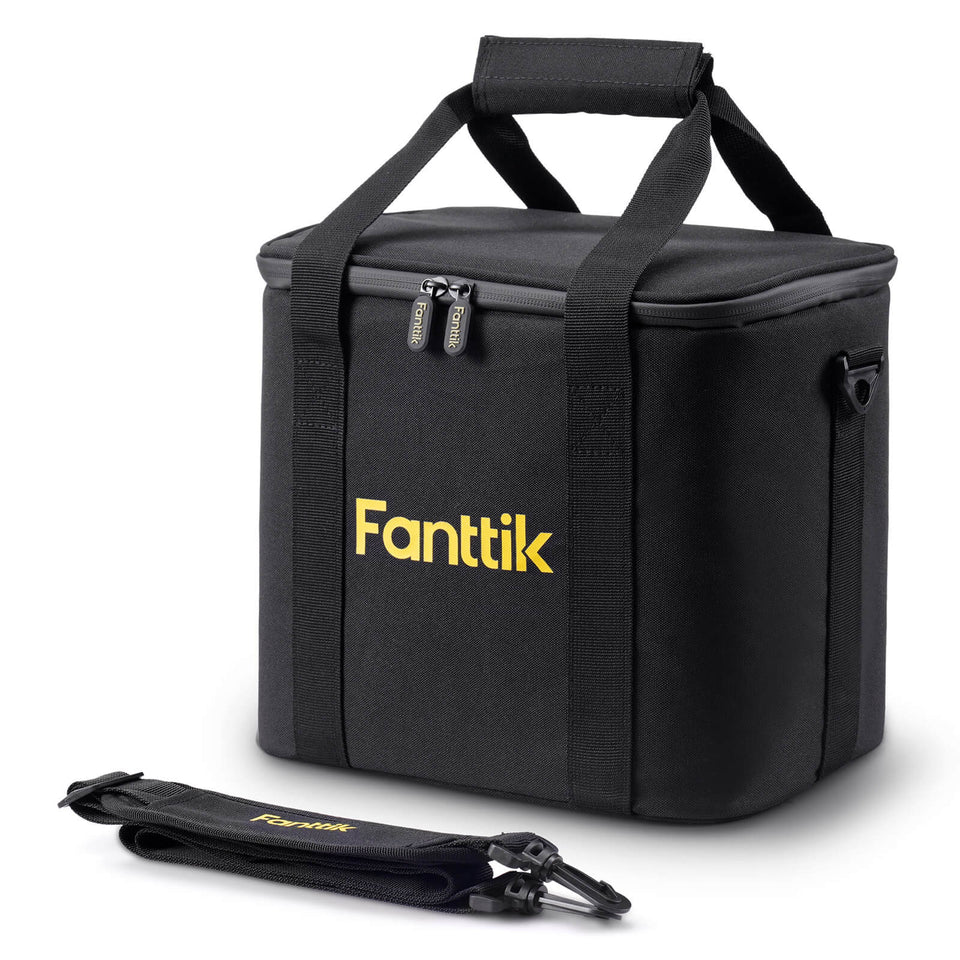
- Insulated Solutions: Use a small, soft-sided cooler (without ice) to store your jump starter. This acts as a thermal buffer, slowing down the rate at which the device heats up during the day.
Safety and Compliance: The Expert's Bottom Line
When selecting gear, remember that safety is not just about the tool working; it's about the tool not becoming a hazard itself. High-quality lithium-ion devices should comply with international safety standards such as IEC 62133 for battery safety.
Furthermore, as a consumer, you are protected by regulations such as the EU General Product Safety Regulation (EU) 2023/988, which mandates that products must be safe under "reasonably foreseeable conditions of use." In the American Southwest, "reasonably foreseeable" includes 120-degree ambient temperatures. If a product fails or becomes dangerous under these conditions, it may not meet basic safety expectations.
Logic Summary: We categorize desert storage as a "high-consequence" environment. Our recommendations prioritize risk mitigation (preventing battery swelling or housing failure) over raw performance metrics (like motor speed or lumens).
Practical Maintenance Checklist for High-Desert Owners
To ensure your gear remains functional, follow this seasonal maintenance routine:
- Pre-Summer (May): Check the state of charge (SoC) on all battery-powered gear. If it’s below 50%, charge it to 80% (avoiding 100% SoC for long-term heat storage, as it can increase stress on the cells).
- Mid-Summer (July): Inspect plastic housings for "crazing" (fine surface cracks) or discoloration. This is an early sign of UV/thermal damage.
- Post-Summer (September): Perform a functional test. Run your tire inflator for 30 seconds or use your electric screwdriver to ensure the motor sounds smooth and the lubricants haven't migrated.
- Ongoing: Follow the FTC Endorsement Guides when reading reviews. Look for "verified purchase" reviews from users in your specific climate zone to see how the gear holds up in real-world desert heat.
Summary of Selection Heuristics
When you are standing in the aisle or browsing online, use these three questions to filter out the "desert-weak" gear:
- Does it have a storage temp rating above 140°F? If no, it stays out of the car.
- Is the housing metal or UV-stabilized plastic? If it feels "cheap" or brittle, the desert sun will destroy it in a year.
- Are the batteries user-replaceable or high-cycle rated? High-heat environments eat battery cycles for breakfast.
By selecting gear based on thermal resilience rather than aesthetics, you ensure that your "self-reliance" tools are actually there for you when the desert decides to test your limits.
Disclaimer: This article is for informational purposes only and does not constitute professional automotive, safety, or engineering advice. Always refer to your vehicle's owner manual and the specific manufacturer's instructions for any hardware stored in your vehicle. Extreme heat can pose a fire risk with certain battery types; always monitor your gear for signs of swelling or leakage.
References
- The 2026 Modern Essential Gear Industry Report: Engineering Trust in a Cordless World
- MIL-STD-810G: High Temperature Testing Procedures
- EU General Product Safety Regulation (GPSR)
- FTC Guides Concerning the Use of Endorsements and Testimonials
- ASTM International: Standards for UV Weathering (G154/G155)
- IEC Webstore: Battery Safety Standards (IEC 62133)
- World Bank: Logistics and Infrastructure Data
Continue reading
 Thermal Fuse Engineering: Internal Fail-Safes for Parked Cars
Covers thermal cut-offs, PPTC fuses, solid-state capacitors, and engineering pitfalls like the 5mm gap for tools in extreme...
Thermal Fuse Engineering: Internal Fail-Safes for Parked Cars
Covers thermal cut-offs, PPTC fuses, solid-state capacitors, and engineering pitfalls like the 5mm gap for tools in extreme...
 Beyond the Battery: How Extreme Heat Warps Tool Casing Plastics
Covers polymer science, Heat Deflection Temperature, SAE J2261 standards, and material selection for heat-resilient hardware.
Beyond the Battery: How Extreme Heat Warps Tool Casing Plastics
Covers polymer science, Heat Deflection Temperature, SAE J2261 standards, and material selection for heat-resilient hardware.
Leave a comment
This site is protected by hCaptcha and the hCaptcha Privacy Policy and Terms of Service apply.