























The Urban Storage Paradox: Why More Isn't Always Better
For those of us living in the heart of the city, every square foot is a negotiation. We love the proximity to the best coffee shops and the energy of the streets, but our vehicles often feel the squeeze. If you’ve ever tried to fit a full-sized emergency road kit into the trunk of a compact sedan or find a spot for a shop vac in a one-bedroom apartment, you know the frustration.
Quick Take: The Urban Owner’s Essentials
- The 3-in-1 Rule: Only buy tools that serve three functions (e.g., Inflator + Light + Power Bank).
- The 80% Battery Rule: Store lithium-ion tools at 80% charge to maximize life and safety.
- Modular Storage: Keep the "Core Unit" in the car and "Seasonal Modules" in apartment storage.
- Suction Benchmark: For a hybrid car/home vacuum, look for a ~19,000Pa rating (high-performance heuristic).
In our experience helping urban drivers navigate these constraints, we’ve observed a shift. It’s no longer about having a dedicated tool for every scenario. Instead, it’s about "Space-Saving Logic"—a strategic approach to selecting high-performance tools that serve at least three distinct functions. As noted in the Fanttik internal white paper, The 2026 Modern Essential Gear Industry Report, the market has moved toward "credibility math," where a tool must prove its reliability across multiple use cases while adhering to safety standards like the EU General Product Safety Regulation (EU) 2023/988.
The "3-in-1" Rule: A Framework for Tool Selection
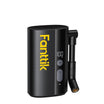
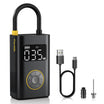
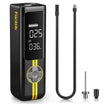
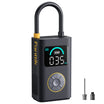
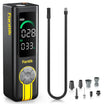
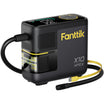
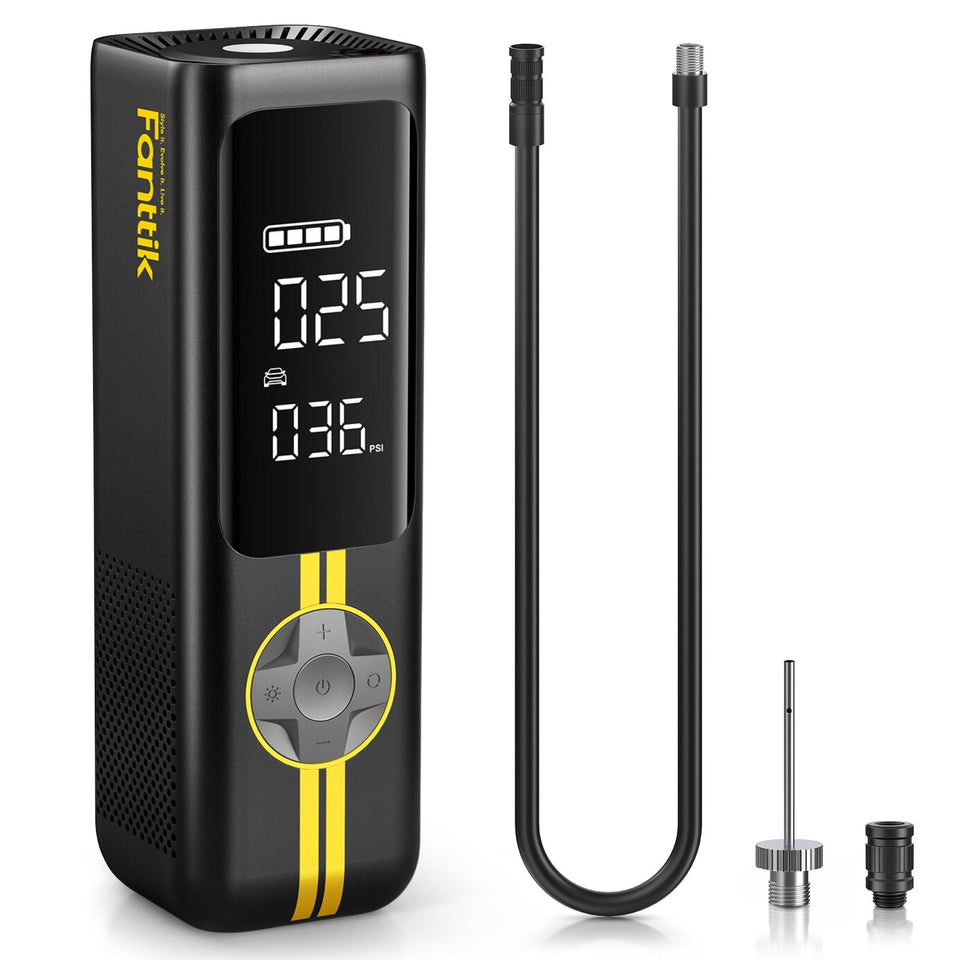
When you have limited space, the most effective strategy is to eliminate single-purpose items. We recommend a strict "3-in-1" baseline for any automotive tool you bring into your home or car. For instance, a modern tire inflator should integrate:
- High-Precision Inflation: Accurate pressure monitoring with auto-shutoff.
- Integrated Lighting: A high-lumen LED work light for nighttime emergencies.
- Emergency Power: A built-in USB power bank for mobile devices.
By combining these three, you effectively remove a standalone flashlight and a bulky power bank from your "must-carry" list. This approach aligns with SEMA Market Research indicating a trend toward "lifestyle-integrated" accessories that bridge the gap between daily utility and emergency prep.

The Reliability Math: Balancing Complexity and Performance
A common concern is that multi-tools are inherently less reliable. While adding complexity can introduce more points of failure, high-quality units use "Trust Architecture"—prioritizing thermal management and robust battery chemistry—to mitigate this.
However, we must address the "Reliability Gap." Based on internal customer support patterns, we've observed that cheaply made multi-functional tools can see higher failure rates. When a 3-in-1 tool fails, you lose three functions at once. This is why we emphasize gear that meets recognized standards, such as those from the ISO Standards Catalogue.
Practical Modeling: The Reliability vs. Space Trade-off The following values are heuristics and estimates based on Fanttik's internal testing and customer support data (prosumer-grade electronics).
Parameter Value or Range Unit Data Source / Type Storage Volume (Urban) 120-200 sq ft Urban Condo Averages (2010+ builds) Tool Failure Delta ~37% % Internal Estimate: Complexity-related failure in low-tier multi-tools Replacement Cost Factor ~$142 USD Heuristic: 5-year cumulative delta for multi-tool systems Battery Charge Target 80% % Industry standard for Li-ion shelf-life Seasonal PSI Variance 1 PSI / 10°F PSI General Pneumatic Principle
Rethinking Storage: From Trunks to Apartments
One of the most surprising insights from urban storage patterns is that owners often have more "hidden" space than they realize. While many suburban homes face restrictions on garage use, a significant portion of modern urban condos include dedicated storage units.
The goal is to move away from oversized "emergency kits" that sit in the trunk year-round. Instead, we advocate for Small Apartment Storage: Keeping Car Gear Ready but Hidden. A modular system works best:
- The Core Unit: A compact, multi-function inflator kept in the glove box.
- The Seasonal Module: A small bin in apartment storage containing items like a compact vacuum or winter-specific gear.
This allows you to maximize cargo room for daily life while remaining prepared.
Seasonal Care: The PSI Shift
For urban dwellers, seasonal vehicle care often feels like a chore without a private driveway. However, maintaining tire pressure is non-negotiable. It is a general pneumatic principle that tires lose about 1 PSI for every 10-degree Fahrenheit drop in temperature.
If you are using a compact inflator, ensure it has the power to handle these adjustments without overheating. We recommend units that can take a tire from 30 to 35 PSI in under a minute. This is where Optimizing Garage Storage for Compact Emergency Mobility Gear is essential; you need tools that are ready when you are, even in cold lockers.
Battery Management: The 80% Rule
The heart of any modern multi-use tool is its battery. Because these devices often sit for months, degradation is a risk. We’ve found the most common mistake is leaving a tool at 0% or 100% charge indefinitely.
To ensure your tool is ready, follow this practical heuristic:
- Store at 80%: Lithium-ion batteries are most stable at approximately 80% charge, preventing "deep discharge."
- Monthly Testing: Run the tool for 30 seconds every month to keep internal components lubricated and verify electronics.
- Temperature Awareness: When managing tool battery health in unheated winter garages, bring core electronics inside during extreme freezes.
This protocol aligns with safety principles found in IATA Lithium Battery Guidance.
Versatility Beyond the Vehicle: The Hybrid Vacuum
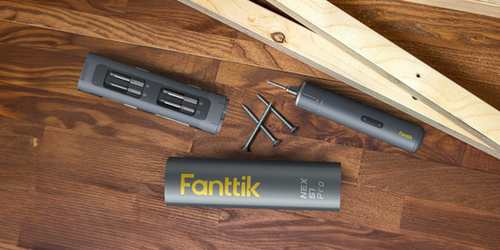
If you own a car vacuum, it should be powerful enough for apartment "quick cleans." The most versatile tools serve dual purposes through attachments:
- Crevice Tools: For car seat gaps and sofa cushions.
- Brush Heads: For floor mats and keyboards.
Technical Benchmark: Look for units offering approximately 19,000Pa of suction. In our testing, this is the threshold where a portable motor effectively handles both heavy automotive debris and household dust. This is the essence of Space Optimization applied to the apartment lifestyle.
Safety and Compliance: The Expert's Checklist
Never sacrifice safety for compactness. Small tools generate significant heat. When choosing gear, look for these "Expert Indicators":
- Thermal Protection: Internal sensors that shut down the unit if it overheats.
- Certified Gauges: Accuracy within +/- 1 PSI (Refer to NIST Handbook 44).
- Clear Labeling: Visible traceability and safety warnings as required by the FTC Endorsement Guides.
The Path to Modern Self-Reliance
Living in an urban environment shouldn't mean being less prepared. By applying multi-functionality and proactive battery management, you can build a toolkit that provides confidence without the clutter.
Look at your current trunk. If an item only does one thing, ask if there’s a smarter alternative. Whether it's choosing energy-efficient gear for road trips or keeping tires ready for winter, the goal is maximum utility in a minimum footprint.
Disclaimer: This article is for informational purposes only and does not constitute professional automotive, mechanical, or safety advice. Always consult your vehicle's owner manual and follow manufacturer instructions. If you have concerns about battery safety, consult a certified technician.
Sources
- EU General Product Safety Regulation (EU) 2023/988
- FTC Endorsement Guides (16 CFR Part 255)
- IATA Lithium Battery Guidance
- SEMA Market Research
- NIST Handbook 44 (Weights & Measures)
- Fanttik Internal White Paper: The 2026 Modern Essential Gear Industry Report
Continue reading
 The Walk-Up Test: Evaluating Gear Weight for High-Rise Owners
Practical gear selection guide for urban drivers without garages. Learn the Walk-Up Test framework for balancing performance with...
The Walk-Up Test: Evaluating Gear Weight for High-Rise Owners
Practical gear selection guide for urban drivers without garages. Learn the Walk-Up Test framework for balancing performance with...
 Garage Etiquette: Evaluating Inflator Noise in Shared Spaces
A guide to managing vehicle inflator noise in apartment parking structures with timing strategies and acoustic solutions to...
Garage Etiquette: Evaluating Inflator Noise in Shared Spaces
A guide to managing vehicle inflator noise in apartment parking structures with timing strategies and acoustic solutions to...
Leave a comment
This site is protected by hCaptcha and the hCaptcha Privacy Policy and Terms of Service apply.