































The Critical Role of Inflation Adapters in Pneumatic Integrity
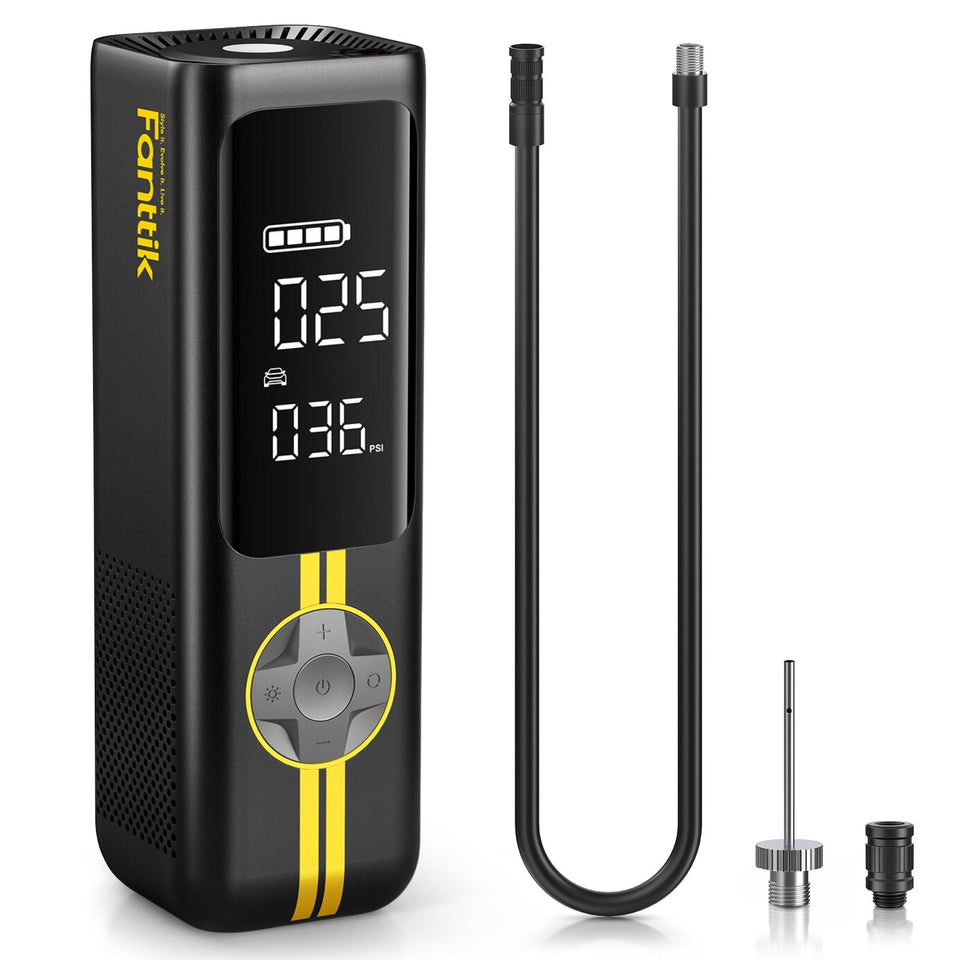
In the world of automotive maintenance and DIY preparedness, the tire inflator is often the hero. We focus on its battery life, its PSI accuracy, and its inflation speed. However, as experienced technicians and long-term owners know, the system is only as reliable as its weakest link: the inflation adapter. Whether it is a needle for a sports ball, a Presta valve adapter for a high-end road bike, or a specialized nozzle for an inflatable kayak, these small components are the gatekeepers of airtight performance.
Neglecting adapter maintenance leads to more than just a minor inconvenience; it creates a "hidden tax" on your equipment's efficiency. A leaking adapter forces the inflator's motor to work harder and run longer, increasing thermal stress and depleting battery cycles prematurely. In our observations of equipment longevity, a significant portion of "low pressure" or "slow inflation" complaints are traced back not to the compressor unit itself, but to degraded or contaminated tips.
This guide provides a methodical framework for maintaining, storing, and troubleshooting your inflation accessories. By treating these small tools with the same precision as the primary unit, you ensure that your gear is ready for any scenario, from routine tire pressure checks to roadside emergencies.
Logic Summary: This maintenance framework is based on common patterns observed in customer support and warranty handling, where accessory failure often mimics mechanical inflator defects. It assumes a standard operating environment of 0°C to 40°C.
Understanding the Anatomy of Failure: O-Rings and Seals
The most frequent point of failure in any inflation kit is the internal O-ring. These small rubber gaskets create the airtight seal between the adapter body and the inflator's chuck or the valve stem. Over time, these seals are subject to mechanical wear, environmental degradation, and—most critically—chemical incompatibility.
The Petroleum Pitfall: A Common Lubrication Mistake
One of the most pervasive errors we see is the use of petroleum-based lubricants (such as standard WD-40 or motor oil) on adapter O-rings. While it may seem logical to lubricate a tight fitting, petroleum causes standard Buna-N (nitrile rubber) O-rings to swell, soften, and eventually disintegrate. This leads to a catastrophic loss of airtightness.
For all pneumatic seals, silicone-based lubricant is the correct choice. Silicone provides a protective barrier against moisture and oxidation without compromising the structural integrity of the rubber. A light application of silicone grease once every six months is typically sufficient to maintain a supple, high-performance seal.
Material Science and Temperature Resilience
According to technical insights on sealing materials and low-temperature performance, standard seals can become brittle in extreme cold, leading to micro-cracking. If you store your inflator in a vehicle trunk during winter, the O-rings are at higher risk.
| Material | Petroleum Resistance | Cold Resilience | Recommended Use |
|---|---|---|---|
| Buna-N (Nitrile) | Poor | Moderate | Standard automotive (Dry) |
| Silicone | Excellent | High | All-weather adapters |
| Viton (FKM) | Superior | Low/Moderate | High-heat industrial |
Heuristic: If an adapter feels unusually difficult to "click" into place or requires excessive force to seal, do not force it. This is a primary indicator that the O-ring has either swollen from improper lubrication or has shifted out of its seat.
Presta vs. Schrader: Mechanical Nuances and Failure Modes
The transition between Presta and Schrader valves is a common source of frustration for cyclists and DIYers alike. These two valve types operate on different mechanical principles, and their adapters have distinct failure modes that require specific attention.
The Presta-to-Schrader Bridge
A Presta-to-Schrader adapter is essentially a mechanical bridge. It features a small internal rubber grommet that must seal against the very narrow stem of the Presta valve. Because this seal is so small, it is highly susceptible to "extrusion"—where the rubber is squeezed out of place—if the adapter is overtightened.
According to the technical specifications of Presta valves, the valve core must be manually unscrewed before the adapter is applied. A common mistake is failing to open the valve fully, which causes the inflator to hit a "back-pressure" wall, potentially damaging the internal sensors of the digital pump.
The Schrader-to-Presta Challenge
Conversely, adapters designed to use a Schrader-style pump on a Presta valve often use a larger washer. The primary risk here is cross-threading. Because many Presta valves are made of soft aluminum to save weight, a brass or steel adapter can easily strip the threads if not aligned perfectly. We recommend starting the thread by hand (turning counter-clockwise until you feel a "click") before tightening clockwise.
Step-by-Step Maintenance Protocol
To ensure your inflation tips remain secure and clean, we recommend the following methodical cleaning and inspection routine every 25–30 uses, or after any exposure to dirt and sand.
- Disassemble the Fitting: Remove the adapter from the hose. If it is a multi-part adapter, unscrew any removable components.
- Dry Cleaning: Use a soft-bristled brush (a clean toothbrush works well) to remove dust from the threads. For ball needles, ensure the side-port hole is clear of debris.
- Solvent-Free Wipe: Use a lint-free cloth dampened with water or a mild, pH-neutral soap solution. Avoid harsh degreasers or alcohol, which can dry out the rubber seals.
- O-Ring Inspection: Use a magnifying glass or a bright light to check for "nibbling" (missing chunks of rubber) or flattening of the O-ring's round profile.
- Re-Lubrication: Apply a bead of silicone lubricant no larger than a grain of rice to the O-ring. Spread it evenly with a gloved finger.
- Functional Check: Reattach the adapter and perform a brief "no-load" air burst to ensure no cleaning residue remains inside the tip.
Logic Summary: This cleaning protocol is aligned with general engineering best practices for small-bore pneumatic fittings. It prioritizes the preservation of the elastomeric seal over aggressive decontamination.

Diagnostic Field Testing: The Water Submersion Method
If you suspect a leak but cannot hear the audible "hiss," a simple field test can isolate the problem. This is a standard diagnostic tool used in pneumatic auditing to prevent equipment misdiagnosis.
The Isolation Test
- Connect the System: Attach the adapter to the inflator hose.
- Pressurize: Turn on the inflator to a low setting (e.g., 5 PSI) or simply use the residual air in the hose if it has a check valve.
- Submerge: Dip the adapter and the connection point into a clear container of water. Do not submerge the inflator unit itself.
-
Observe:
- Bubbles at the Threads: Indicates a loose connection or damaged threads.
- Bubbles at the Tip: Indicates the internal seal of the adapter is failing.
- Bubbles at the Hose Crimp: Indicates the hose itself needs replacement.
This test quickly identifies whether you need a new $2 adapter or a $20 replacement hose, preventing unnecessary expenditure and reducing waste.
Strategic Storage: The Transparent Inventory Method
Adapters are notoriously easy to lose. Many users leave them loose in a glove box or a large tool bag, where they accumulate grit and are subject to impact damage. We recommend a "kit-within-a-kit" approach.
Use a small, transparent zippered pouch to house all adapters, spare O-rings, and a small tube of silicone lubricant. This pouch should reside inside the main carrying case of your portable tire inflator. The transparency allows for a "quick visual inventory" before you leave for a trip. If you see an empty spot in the pouch, you know a critical component is missing before you find yourself stranded on the roadside.
Furthermore, we suggest carrying a "redundancy kit." In our experience, having a spare set of O-rings is often more valuable than having spare adapters. Most adapters are solid metal and rarely break; it is the $0.50 O-ring that fails and renders the tool useless.
Safety, Compliance, and Engineering Trust
In the modern landscape of essential gear, reliability is a matter of safety and compliance. As highlighted in The 2026 Modern Essential Gear Industry Report: Engineering Trust in a Cordless World, the shift toward "modern self-reliance" requires tools that perform predictably in high-consequence moments.
A failed adapter isn't just a maintenance oversight; it can be a safety risk. For instance, if an adapter fails while you are attempting to top off a spare tire during a roadside emergency, you are left vulnerable. Maintaining your accessories is a core part of "credibility math"—ensuring that the equipment you trust for your safety is actually trustworthy.
From a regulatory perspective, the EU General Product Safety Regulation (EU) 2023/988 emphasizes the importance of clear documentation and safe product lifecycles. Proper maintenance extends the life of your gear, reducing electronic waste and ensuring that the product continues to meet the safety standards it was designed for.
Additionally, for those using inflators for precision tasks, such as maintaining specific pressures in high-performance tires or medical equipment, the accuracy of the system is paramount. The NIST Handbook 44 provides the framework for weighing and measuring devices; while a DIY tire inflator is not a commercial scale, the principle of "tolerance and accuracy" remains. A leaking adapter introduces a pressure drop that can lead to inaccurate digital readings, potentially resulting in under-inflated tires that compromise vehicle handling and fuel economy.
Summary of Maintenance Best Practices
To maximize the lifespan and reliability of your inflation accessories, adhere to these core principles:
- Lubricate with Silicone Only: Never use petroleum-based oils on rubber seals.
- Inspect Before Use: A five-second visual check of the O-ring can prevent a ten-minute frustration.
- Clean Regularly: Remove grit and salt, especially after use in coastal or winter environments.
- Store Securely: Use a transparent pouch to prevent loss and contamination.
- Replace Seals Early: O-rings are inexpensive; replace them at the first sign of flattening or cracking.
By implementing these methodical steps, you transform your tire inflator from a simple gadget into a professional-grade tool ready for long-term service. Proper adapter care is the hallmark of a detail-oriented owner who values reliability above all else.
Disclaimer: This article is for informational purposes only. Always refer to your specific equipment's user manual for manufacturer-approved maintenance procedures. When performing maintenance on pressurized systems, wear appropriate eye protection and ensure the unit is powered off.

Continue reading
 Seal Preservation: Preventing Air Leaks with O-Ring Care
Covers seal failure mechanisms, environmental impacts, and maintenance steps aligned with EU GPSR & NIST standards for long-term...
Seal Preservation: Preventing Air Leaks with O-Ring Care
Covers seal failure mechanisms, environmental impacts, and maintenance steps aligned with EU GPSR & NIST standards for long-term...
 Support Logistics: Preparing Your Device for Warranty Claims
A technical guide for DIY users to navigate warranty claims effectively, covering documentation, shipping protocols, and tool maintenance...
Support Logistics: Preparing Your Device for Warranty Claims
A technical guide for DIY users to navigate warranty claims effectively, covering documentation, shipping protocols, and tool maintenance...


Leave a comment
This site is protected by hCaptcha and the hCaptcha Privacy Policy and Terms of Service apply.