










































A handheld vacuum is enough for upholstery when the job is quick and targeted. It works well for loose, dry debris like lint or pet hair sitting on a sofa or chair. For a longer pass over a whole sectional or several pieces of furniture, a full-size upright or canister with an upholstery tool fits the work better, and with either type, the brush that touches the fabric matters as much as the vacuum body.
Neither type of vacuum treats a stain or a wet mess. For those, check the furniture's care code before you use any water or cleaner.
Is a Handheld Vacuum Enough for Upholstery?
Yes, for small jobs you can easily reach. Good Housekeeping lists quick fabric-debris pickup with a handheld as a core use, covering lint, pet hair, and other debris on fabrics. That makes a handheld a sensible upholstery vacuum for a quick touch-up after movie night or before guests arrive.

The size of the job changes the answer. In its pet-hair vacuum guide, Good Housekeeping points to handhelds for frequent small messes and says a full-size upright or canister offers more sustained power for larger areas. If you plan to cover a full sofa, a few chairs, and every cushion in one session, a full-size vacuum with an upholstery tool suits that kind of session. That's advice about how big the job is. It doesn't show that the bigger machine leaves fabric cleaner.
For hair that clings to the weave, look at the tool, not the vacuum type. In the same testing, a rotating-brush hand tool on one upright worked well for lifting stubborn pet hair from upholstered furniture. A tested handheld's motorized pet brush was also described as lifting fur from upholstery. Both results belong to those specific tools, so check which brush comes with the vacuum you own or plan to buy.
A handheld is not the fix if the problem is a stain, a spill, or soil that has worked deep into the fabric. A bigger vacuum doesn't treat stains either. Go to the care-code check below before you try any wet method.
What Should You Compare Beyond Vacuum Size?
Compare the tool that touches the fabric and whether it reaches the spot you need to clean. Consumer Reports lists upholstery brushes across vacuum types, including handheld, stick, upright, and canister models. It also says the brush can be used on a couch or overstuffed chair to remove pilling and dust.
- Attachment in the box: Confirm that each vacuum you're considering actually comes with an upholstery brush. If pet hair is your main problem, check for a pet tool too. The vacuum's size won't tell you this.
- Tool for the debris: An upholstery brush covers dust and pilling. For clinging fur, Good Housekeeping suggests looking for rubberized pet tools and tangle-resistant brush rolls that help lift embedded fur.
- Reach to the target: Picture the seams, the arms, and the deck under the cushions. A handheld goes straight to the spot. A full-size machine needs a hose or wand long enough to get the tool there comfortably.
Having the right brush doesn't mean every vacuum type will perform the same. Still, before you pick an upholstery vacuum, these three checks tell you more than motor size or a spec sheet headline.
What Does a Routine Upholstery Vacuum Pass Include?
A routine pass covers the cushions and the space beneath them. For upholstered furniture, the American Cleaning Institute's spring-cleaning plan tells you to vacuum the cushions and under them.
In practice, lift each removable cushion and vacuum its surface. Then vacuum the area it was sitting on before you put it back. That second step is easy to skip, and it's where loose debris collects out of sight. Use whichever vacuum you'll actually pull out on a regular schedule, as long as its upholstery tool reaches the crevices.

When Should You Check the Fabric Care Code?
Check it before any water, foam, or cleaner touches the upholstery, and especially when you're dealing with a stain or a wet mess. The Drycleaning & Laundry Institute explains where to find the cleanability code: it may be permanently attached to the furniture or printed on its hang tag.
Two codes change your plan right away:
- X code: The DLI guidance says to clean this fabric only by vacuuming or light brushing. It warns that water-based foam or cleaning agents of any kind may cause excessive shrinking, fading, or distortion. On X-coded furniture, your vacuum and a soft brush are the whole toolkit.
- S code: The guidance says to have the fabric treated by a professional furniture cleaning service only. Don't start with a home wet method on these pieces.
For any other code, read that code's full entry on the DLI page before you choose a method. Changing vacuums doesn't change what the code allows. The code decides the cleaning method, and the vacuum handles the dry debris.
FAQs
Does higher suction mean better upholstery cleaning?
Not on its own. A peak suction rating is one spec, not a measure of how well a vacuum cleans fabric. The brush, how it works against the weave, and the type of debris all affect results. Weigh the included upholstery tool alongside any suction number.
Can I use a handheld vacuum on a liquid spill on the couch?
Not if it's a dry-only vacuum. Those are built for dry debris, and liquid can harm them. Our guide on dry vacuums and liquid spills explains why, using car interiors as the example. Treat the fabric itself according to its care code.
Does the same approach work for car seats?
For loose, dry debris, upholstery vacuuming works on car seats much like it does on a sofa: match the tool to the debris and make sure it reaches the seams. If your seats have removable fabric covers that need a deeper clean, our guide to cleaning removable fabric seat covers covers pressure choices that help avoid damage to the fabric and adhesive bonds.
Do fabric cleaning codes apply to faux leather?
The DLI codes are written for household fabrics. Vegan leather, especially in car interiors, raises a different question about which cleaner chemistry is safe. Our vegan leather cleaner testing guide walks through pH and how to avoid damaging the surface.
Continue reading
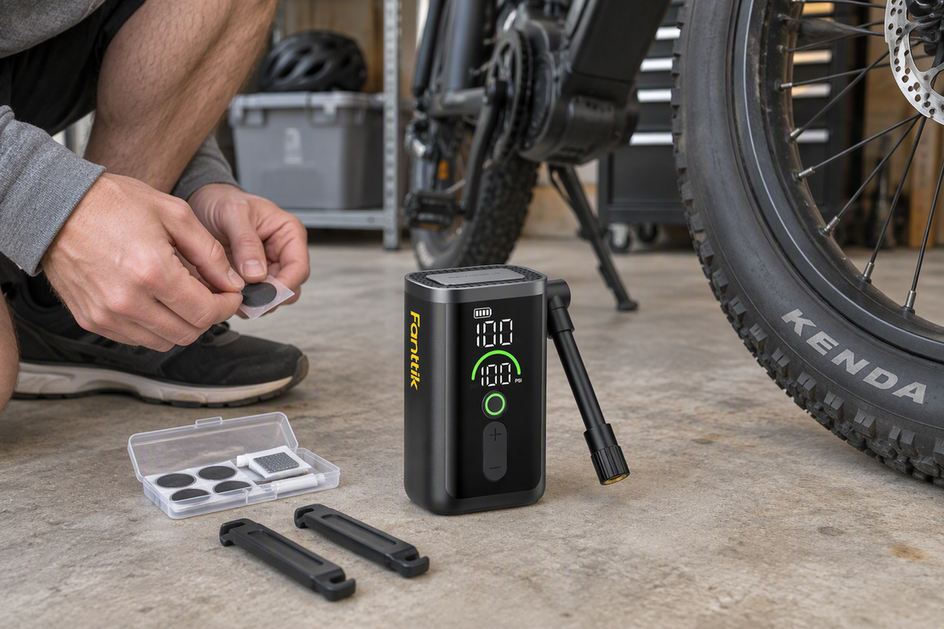 What to Carry With an Electric Bike Pump for a Ride-Ending Flat
A pump can't fix a flat. This guide covers the repair supplies to pack for tube and tubeless...
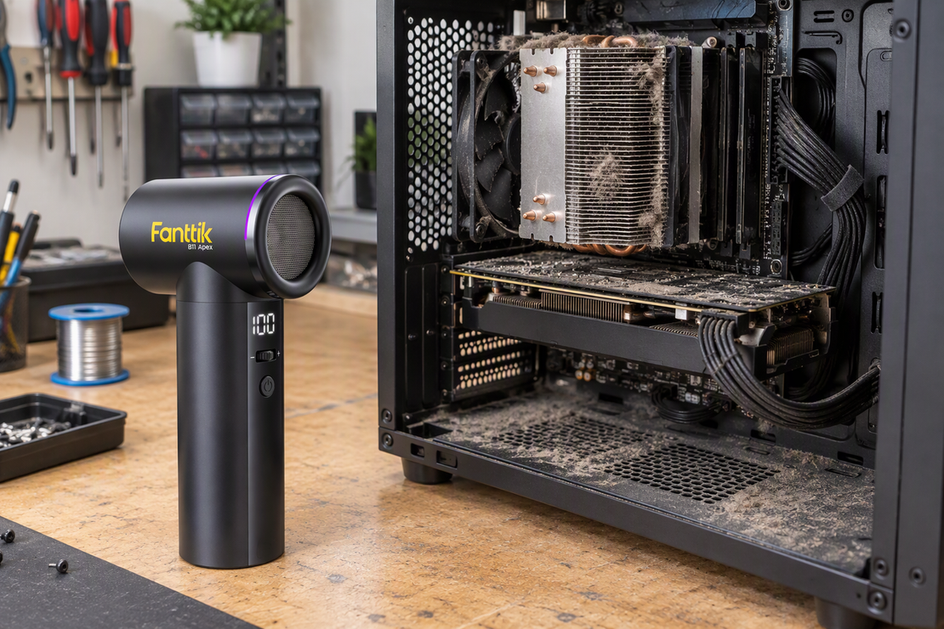 Air Duster or Vacuum for Cleaning a Desktop PC?
Airflow and suction do different jobs inside a PC. This guide matches each tool to dust location, debris...
Leave a comment
This site is protected by hCaptcha and the hCaptcha Privacy Policy and Terms of Service apply.