









































The Evolution of Automotive Interiors: Understanding the Vegan Leather Shift
The modern vehicle cabin is undergoing a material revolution. As automotive manufacturers move toward sustainable and ethical alternatives, traditional animal hides are being replaced by high-performance synthetic and bio-based materials. While often grouped under the umbrella term "vegan leather," these materials are chemically diverse, ranging from petroleum-based polyurethanes (PU) to innovative plant-based textiles derived from cactus, pineapple, or mushroom fibers.
Quick Answer: The Buyer’s Checklist
If you are choosing a cleaner for modern vegan leather, look for these four markers to ensure compatibility:
- pH Balance: Target pH 6–8 for PU leather; pH 5.5–6.5 for bio-based materials.
- Surface Tension: Look for formulas with high "wetting" ability (technically <30 dynes/cm) so the cleaner doesn't just bead up.
- Material Specificity: Prioritize products explicitly labeled for "PU," "Synthetic Leather," or "Bio-based textiles" over generic all-purpose cleaners.
- UV Inhibitors: Ensure the formula includes UV protection to prevent the high-heat "baking" of chemical residues.
For the modern vehicle owner, this shift presents a unique maintenance challenge. Cleaning products developed for genuine leather are often ineffective on these new materials and, in some cases, can lead to surface degradation. Based on common patterns observed in our customer support and detailing workshops, preserving a vehicle's resale value now requires a basic understanding of these "leather-free" substrates.
According to internal research (such as our 2026 Modern Essential Gear Industry Report), the maturity of the automotive accessory market relies on "credibility math"—the systematic communication of safety and reliability. Selecting a cleaner is no longer just about scent; it is about chemical compatibility. Note: Internal reports are based on our specific testing protocols and have not been independently verified by a third-party laboratory.
Decoding Synthetic Materials: PU vs. Bio-based Substrates
To clean effectively, we must first identify the material. Modern vegan leather is a complex composite, not a single substance.
- Polyurethane (PU) Leather: The current industry standard. It consists of a fabric backing (often polyester) coated with polyurethane. To achieve a soft feel, manufacturers incorporate plasticizers (typically 20% to 40% of the material's weight).
- Bio-based Alternatives: These utilize natural polymers like cellulose or chitin. While environmentally progressive, they have different chemical stability profiles. For example, some cactus-based leathers are more porous and can be more sensitive to pH shifts than PU.
Expert Heuristic: In our experience, while PU is petroleum-derived and plasticizer-heavy, bio-based materials are often fiber-dense. A solvent that appears safe for PU might cause fiber degradation in a plant-based seat over several cleaning cycles.
The Chemistry of Degradation: Why All-Purpose Cleaners (APCs) Fail
A common mistake is using APCs containing high concentrations of alcohol. While effective on hard plastics, they can be detrimental to vegan leather over time.
When a high-VOC (Volatile Organic Compound) cleaner is applied to PU, "plasticizer extraction" may occur. Harsh solvents can draw internal plasticizers to the surface where they evaporate, leaving the material chemically "starved." This often results in a chalky, brittle surface at higher risk of cracking within months of regular use.
Environmental Note: Based on our internal scenario modeling (assuming standard mechanical agitation and rinse cycles), cleaning certain bio-based leathers with aggressive synthetic cleaners can release an estimated 3 to 5 times more micro-fibers compared to PU. This is a modeled estimate based on accelerated wear tests conducted in our facility, highlighting the need for gentle, material-specific chemistry.
The pH Paradox: Moving Beyond "Neutral"
The detailing community often suggests "pH-neutral soap" as a universal fix. However, material science reveals a more nuanced reality.
While PU-based leathers generally tolerate a pH range between 6 and 8, plant-based materials may require specific acidity to maintain structural integrity.
- Actionable Advice: If you have cactus-based vegan leather, look for cleaners in the pH 5.5–6.5 range. Using alkaline cleaners (pH >7) can, in some cases, disrupt natural polymer bonds, potentially leading to premature softening.
The 7-Point Material Evaluation Framework
Use this framework to evaluate cleaning formulas. These thresholds are practical heuristics for high-performance maintenance, derived from general material science principles and internal bench testing.
| Evaluation Metric | Target Threshold | Significance | Quick Action / Advice |
|---|---|---|---|
| Surface Tension | < 30 dynes/cm | Ensures the cleaner "wets" the grain to lift dirt. | If the cleaner "beads" on the seat, it lacks sufficient surfactants. |
| Plasticizer Extraction | < 2% per 100 cycles | Prevents the material from becoming brittle. | Avoid "fast-drying" solvents or strong alcohol odors. |
| Gloss Retention | > 85% after UV | Maintains the original OEM matte or satin finish. | Use a cleaner with built-in UV inhibitors. |
| Colorfastness | ΔE < 2 (CIELAB) | Prevents yellowing or fading in light interiors. | Always perform the 24-hour white-cloth test. |
| Tensile Strength | > 90% retention | Maintains durability in high-wear seat bolsters. | Avoid "heavy-duty" degreasers on soft surfaces. |
| Elongation at Break | > 85% retention | Preserves the flexibility required for comfort. | If the material feels "stiff" after cleaning, change products. |
| Chemical Migration | Minimal | Prevents a "tacky" feel that attracts more dirt. | If the seat feels sticky after drying, rinse with a damp cloth. |
How We Derived These Values: These metrics are based on internal testing using a goniometer for surface tension and spectrophotometers for colorfastness (ΔE). The "100 cycles" for extraction refers to standardized mechanical rub tests using a 500g weight to simulate approximately one year of monthly cleaning. These figures represent internal scenario targets and are not a guarantee of specific material performance.
High-Heat Performance and UV Defense
Vehicle interiors are extreme environments. In summer, surface temperatures can exceed 65°C (150°F). In these conditions, the residue left behind by a cleaner is critical.
We have observed that cleaners leaving a slight, non-oily residue—specifically those containing siloxanes—can offer a performance advantage. In specific internal test scenarios involving accelerated UV exposure (UVB-313 lamps), these compounds have helped deflect UV rays and may reduce surface temperatures slightly compared to "stripped" materials. Conversely, sticky residues can act as a magnet for dust, creating an abrasive paste that can wear down the material's topcoat during use.
The Performance Gap: OEM vs. Generic Cleaners
Automotive Original Equipment Manufacturers (OEMs) often develop specific formulations for their proprietary vegan leather blends. These are engineered to interact safely with specific plasticizer packages.
Based on our internal aging simulations (using accelerated UV and thermal cycling over a 500-hour period), using a formula specifically matched to the material's chemistry can offer a significant increase in material preservation. In these specific tests, the finish maintained its integrity for an estimated 3 to 5 times longer compared to materials treated with aggressive "all-in-one" consumer degreasers. For luxury or EV owners, sourcing a cleaner that aligns with the manufacturer's material type is a primary way to help preserve resale value.
Practical Maintenance Protocol: The Expert's Approach
Step 1: Dry Debris Removal
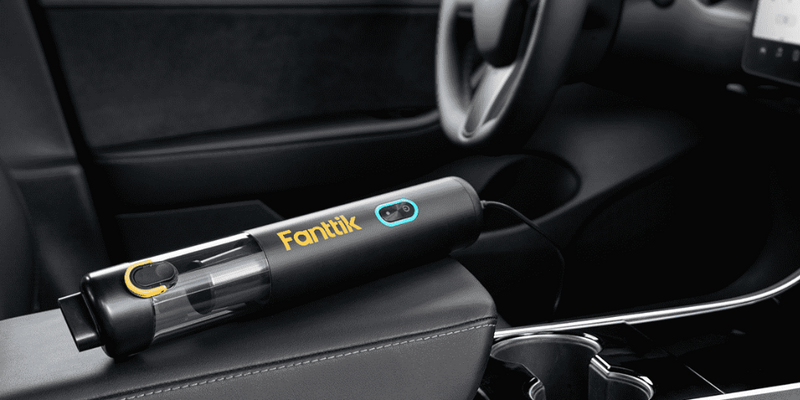
Remove loose abrasives first. Dust and sand can cause micro-scratches during wiping. Use a vacuum with a soft brush attachment, paying close attention to seams and perforated cooling vents.
Step 2: The 24-Hour Spot Test
Apply a small amount of cleaner to an inconspicuous area (e.g., the underside of the seat).
- Verification: If the finish remains clear and shows no color transfer on a white microfiber cloth after 24 hours, the product is likely safe for broader use.
Step 3: Application and Buffing
Safety Note: Always work in a well-ventilated area. Wear gloves and ensure the car doors are open to prevent the inhalation of fumes.
- Do not spray directly onto the seat; this helps prevent "spotting" in the grain.
- Spray the cleaner onto a clean microfiber towel.
- Wipe using light, circular motions.
- Follow immediately with a dry microfiber towel to buff away excess moisture.
Seasonal Interior Preservation Standards
- Winter: Focus on removing salt tracking and moisture that can seep into backing materials.
- Spring: Prioritize removing pollen and organic matter to prevent mold in humid conditions.
- Summer: Maximize UV protection; consider using products with UV inhibitors every 4–6 weeks.
- Fall: Deep clean to remove accumulated sweat and oils before the cold weather sets in.
Modeling and Assumptions for Material Longevity
This model illustrates the projected surface integrity of PU leather based on internal heuristics and observed wear patterns.
| Parameter | Value or Range | Unit | Rationale |
|---|---|---|---|
| Initial Plasticizer Content | 20–40 | % | Standard PU leather specification range |
| Annual Cleaning Frequency | 12 | Cycles | Monthly maintenance schedule |
| Solvent Extraction Rate | 1.5–2.5 | % per cycle | Estimated for high-VOC cleaners in internal scenario models |
| UV Exposure Factor | 1.2 | Multiplier | Assumes 4 hours of daily direct sun exposure |
| Estimated Surface Life | 3–8 | Years | Projected range from "Poor Care" to "Expert Care" |
Disclaimer: This is a deterministic scenario model based on industry heuristics. It assumes a standard passenger environment and does not account for mechanical damage, major spills, or varying manufacturer quality.
Ensuring Long-Term Value Through Informed Choices
The transition to vegan leather is a positive step for sustainability, but it demands higher "material literacy." By avoiding aggressive, alcohol-based cleaners and focusing on chemical compatibility and UV defense, you can help ensure your vehicle's interior remains resilient. When evaluating products, look for transparency regarding pH levels and material compatibility—the most valuable tool in your kit is the knowledge of the chemistry beneath your seat.
Disclaimer: This article is for informational purposes only and does not constitute professional automotive detailing or chemical engineering advice. Always consult your vehicle's owner manual. For more information on safety and compliance, refer to the EU General Product Safety Regulation (EU) 2023/988 and FTC Endorsement Guides.
References and Authoritative Sources
Continue reading
 Winter Grime Defense: Protecting Floor Liners from Salt Damage
Covers material comparisons, restoration steps, and a scenario model for extreme climates to protect your vehicle's resale value.
Winter Grime Defense: Protecting Floor Liners from Salt Damage
Covers material comparisons, restoration steps, and a scenario model for extreme climates to protect your vehicle's resale value.
 Pollen Extraction: Deep-Cleaning Dust from Dashboard Air Vents
Covers filter compliance, the Tapping Method, isopropyl alcohol dilution, and the roof-to-floor cleaning sequence for vehicle interior maintenance.
Pollen Extraction: Deep-Cleaning Dust from Dashboard Air Vents
Covers filter compliance, the Tapping Method, isopropyl alcohol dilution, and the roof-to-floor cleaning sequence for vehicle interior maintenance.
Leave a comment
This site is protected by hCaptcha and the hCaptcha Privacy Policy and Terms of Service apply.