








































Pick a heat gun by starting with the job. The biggest number on the box comes last. Write down the task and the surface first, then compare how each model controls temperature and airflow, and which nozzles its maker lists for that exact tool.
A high maximum temperature tells you how hot a tool can run. It doesn't tell you whether the tool suits your project. One job changes the plan before you shop at all: removing paint in a home built before 1978. In that case, the real question is who should do the work, not which tool to buy.

Choose for the Task and Material—Not the Peak Temperature
Is your paint job part of a renovation, repair, or painting (RRP) project in a pre-1978 home? Then EPA recommends hiring a lead-safe certified contractor. Don't treat a heat gun's temperature rating as permission to do the job yourself.
This matters because the same EPA page mentions a heat gun. In EPA's pre-1978 RRP paint-removal guidance, a "low-temperature heat gun (under 1,100 degrees Fahrenheit)" shows up on a list of supplies for keeping dust down. It's a supply listing. It is not a setting to dial in, and it doesn't prove that a certain tool or painted surface is safe to work on. So a model whose maximum is under 1,100°F isn't automatically the right pick, and one that runs hotter isn't automatically ruled out. For an RRP project in an older home, the contractor recommendation is what decides your next step.
That guidance covers this one situation only. For other projects, choose from general DIY tools by what each model lets you control, as the next sections explain.
Temperature Control: What Settings Actually Tell You
Temperature control tells you whether you can run the tool below its maximum, and in how many steps. It won't tell you which setting your material needs. Keep those two questions apart when you read a spec sheet.
Heat guns handle heat in different ways. A Princeton research-lab safety advisory describes fixed or adjustable temperature controls. Some basic guns have a single temperature setting. More adjustable models offer several settings or variable adjustment. In plain terms, you'll see three types:

- Fixed: one heat output, so you can't turn it down.
- Stepped: a few preset levels, such as a low and a high switch position.
- Variable: a dial or digital control that moves through a range.
The advisory was written for lab use. It helps you tell these control types apart, but it doesn't match any of them to a home project.
Adjustability starts to matter once you know your task list. A retailer's heat-gun guide gives examples of lower airflow or temperature settings being useful. It says lower airflow and/or lower temperature ranges can help with drying paint or varnish, bending plastic pipes, and heat-shrinking plastic film. If jobs like these are on your list, a fixed-output tool leaves you no way to back off the heat. The guide doesn't give exact numbers, so get the working setting from the tool's instructions or the material maker's guidance. A display or marked dial shows you what you selected. It doesn't tell you what the material can handle.
Airflow Settings Need a Separate Check
Airflow is a separate spec from temperature, so check it on its own line of the spec sheet. A model can offer adjustable heat and still have only one fan speed, or the other way around. The same Princeton advisory describes fixed, stepped, or variable airflow controls: basic guns may have one fan speed, while others offer multiple speeds or variable adjustment.
Adjustable fan speed is useful when your projects vary in scale. Bob Vila's how-to article, which is affiliate-supported, describes how adjustable fan speed suits different work. Lower speeds work for detailed jobs, and higher speeds help when you're tackling a large area. If you expect a mix of small, detailed spots and wider surfaces, look for a model that lists its fan speed settings. A single-speed gun can't make that change.
Two cautions on reading the numbers. A maximum airflow rating describes the tool's top output. It doesn't show that the airflow can be adjusted, so look for the listed settings themselves. Also, the RS guide groups lower airflow with lower temperature for its example tasks. It doesn't separate what the airflow alone does, so treat those tasks as a reason to want both controls to adjust, not as an airflow-only rule.
Essential DIY Uses and Nozzle Fit
The supported DIY examples here are drying paint or varnish, bending plastic pipes, and heat-shrinking plastic film. Choose nozzles by the function the job needs, then confirm the nozzle is listed for your exact model. These tasks come from the RS guide mentioned above, which links them to lower temperature and airflow ranges rather than to one specific tool or setting.
Nozzles change where the heat goes. The guide describes reducer and reflector nozzle functions this way: a reducer nozzle concentrates heat onto a specific area, and a reflector nozzle spreads heat around a pipe surface. That gives you a practical way to shop. If your job calls for heat on a small, defined spot, the reducer's function is the one to look for. If you need heat around the outside of a pipe, look at the reflector's function. These are descriptions of what each nozzle does. They are not a full task chart, and they don't cover every material you might work on.
Fit is a separate question from function. A nozzle that looks the same shape or size as one made for another gun isn't proof that it fits yours. Count a nozzle as compatible when it comes in the box with the model, when the model's manual lists it, or when the accessory's documentation names that model. If you can't find the nozzle you need in any of those places, it doesn't belong in your buying decision for that tool.
Before you add a model to your cart, open its current manual or spec page. Confirm three things: the temperature control type, the airflow control type, and the nozzles listed for it. Then compare them against the task and material you wrote down first.
FAQs
What does RRP mean in EPA's lead-safety guidance?
RRP stands for renovation, repair, and painting. It covers work that disturbs painted surfaces, such as sanding, scraping, or removing paint during a remodel. EPA's guidance for DIYers applies to RRP projects in homes built before 1978. That's why the year your home was built matters when you plan paint work.
Do I need both adjustable temperature and adjustable airflow?
That depends on the jobs you listed, because the two controls solve different problems. Adjustable temperature lets you turn the heat down for tasks where lower output helps. Adjustable airflow lets you change fan speed for detailed spots versus larger areas. If your projects call for only one of those changes, a model that adjusts only that control may cover your needs. If they call for both, look for a model that documents both.
Can a heat gun replace a soldering iron for electronics work?
No. They're different tool categories. A heat gun blows hot air over an area, while a soldering iron heats a tip to melt solder at a joint. If you're joining wires or components, start with our cordless soldering iron buying guide. It covers heat-up time, recovery, and runtime for that kind of work.
Continue reading
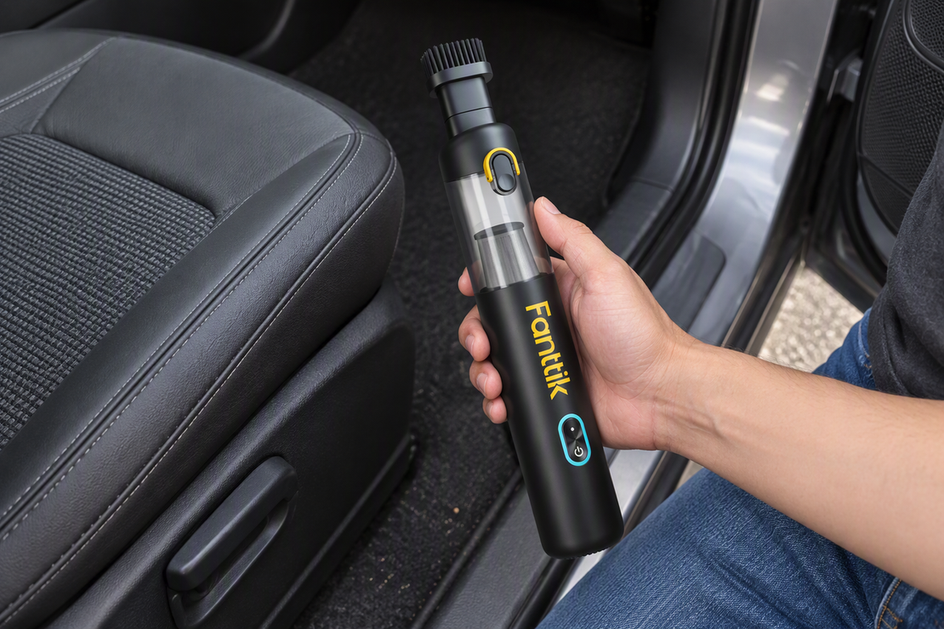 Handheld Vacuum Buying Guide: How to Pick One Cordless Vacuum for Home and Auto
A practical guide to deciding whether a single cordless handheld can cover routine spot cleaning at home and...
Handheld Vacuum Buying Guide: How to Pick One Cordless Vacuum for Home and Auto
A practical guide to deciding whether a single cordless handheld can cover routine spot cleaning at home and...
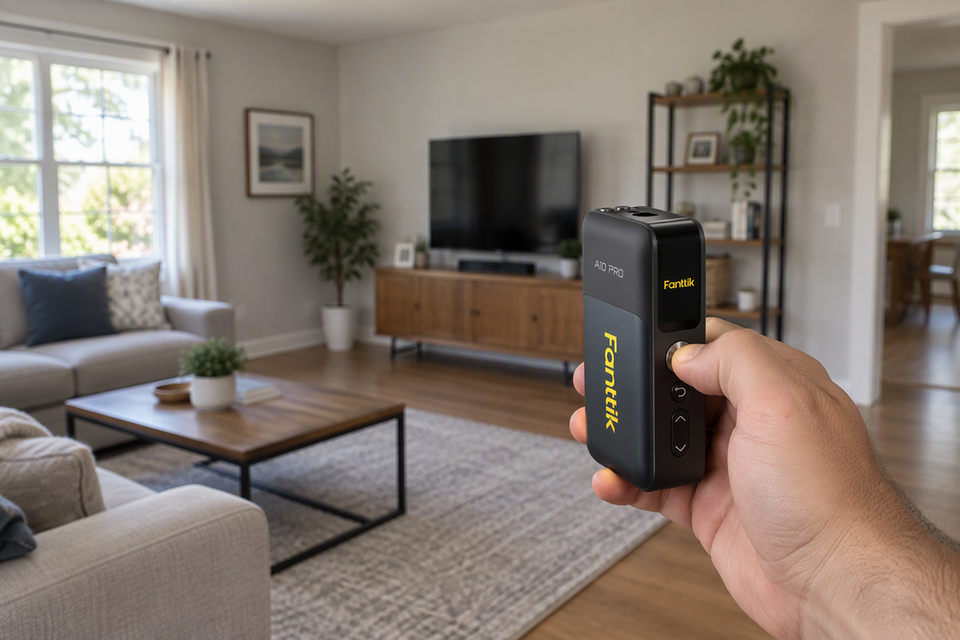 How to Choose a Laser Distance Meter: Accuracy, Range, and Smart Functions
A practical DIY guide to screening handheld laser measures: match range and accuracy to real jobs, weigh working...
How to Choose a Laser Distance Meter: Accuracy, Range, and Smart Functions
A practical DIY guide to screening handheld laser measures: match range and accuracy to real jobs, weigh working...
Leave a comment
This site is protected by hCaptcha and the hCaptcha Privacy Policy and Terms of Service apply.