






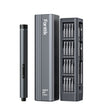

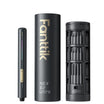
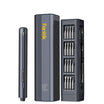
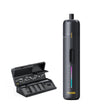


Pick a precision screwdriver when its tip matches a small screw drive and the tool can reach that screw and turn it with control. Pick a regular screwdriver, meaning a standard-size hand driver, when the screw drive needs a bigger tip than your precision set has. Match the drive first. Then judge access and control.
The size of the object is a weak clue. A laptop, a toy, and a cabinet hinge can each use screws that need different tips. The screw head decides the tool, not the device.
Match the Driver to the Screw
The screw head tells you which driver to grab. Every screw drive has a shaped cavity and protrusion that fits the screwdriver tip, so you need both the right profile and the right size.
Profile is the shape of the drive, such as a Phillips cross, a straight slot, a star, or a hex socket. Size is how big that shape is. Two tips can look alike and still differ by one size. A Phillips tip that looks close enough may sit loose or bottom out before it fully engages. That geometry is why precision bit fitment matters. A tip that only partly engages is more likely to cam out, which means it climbs out of the head as you turn.
No single screw size marks where precision ends and standard begins. Treat the two labels as practical groups. Precision drivers carry small tips for small drives. Standard drivers carry larger tips for larger drives. Your real question is which tip you own that matches this screw.
| What you see at the screw | Hand driver to try | Why |
|---|---|---|
| Small drive, matching tip in your precision set | Precision screwdriver | Tip matches the drive |
| Drive bigger than any precision tip you own | Standard-size driver with a matching tip | Small tip can't fill the drive |
| Matching tips in both sizes, screw in a tight spot | The fitting driver that can reach and turn | Access breaks the tie |
In every row, the tip match comes first. Category only helps you choose among drivers that already fit.
When Access and Control Matter
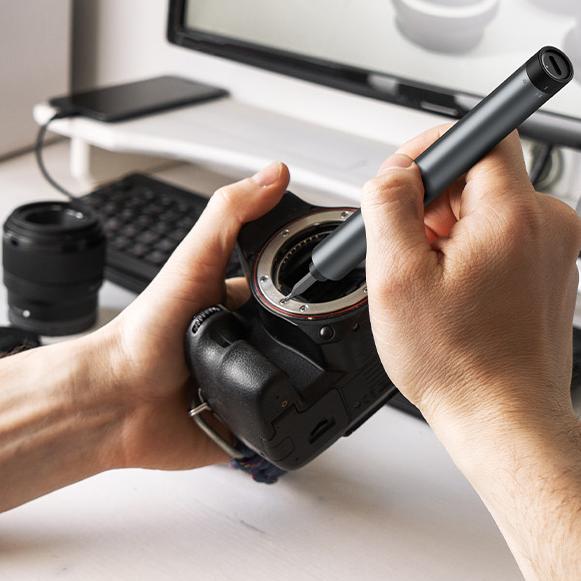
Once you have a tip that fits, access can decide which driver you use. If the handle can't sit squarely over the screw and turn freely, the right tip won't do you much good.
- Tight side clearance: Hold the driver in position and see if the handle clears nearby parts through a full turn. A short stubby screwdriver is also built for cramped spots, so a tight space doesn't automatically call for a precision driver.
- Recessed screws: The shaft has to reach the head while the tip stays straight in the drive. If you have to tilt the driver to reach, choose a longer shaft in the same tip size.
- Small, delicate screws in open space: Use the driver that lets you keep the tip aligned without pressing down hard or rocking it. If the tip keeps slipping off center, stop and recheck the fit before you push harder.
- Interchangeable bits: A bit set only helps if it puts a matching tip on the screw. More bits don't help if none of them fits this drive.

Handle design also changes how much turning force your hand can deliver. In a study of #2 Phillips screwdriver handles during a maximum-tightening task, rubber handles were linked to higher torque output than plastic handles. That study compared handle materials, not precision drivers against standard ones. Keep in mind that maximum torque is also not the right tightening torque for a given screw. For fine work, grip style and wrist position also affect how steadily you can turn.
When a Regular Screwdriver Is the Better Fit
Use a standard-size hand driver when the screw drive is bigger than the largest matching tip in your precision set and you have a standard tip that fits. Furniture assembly, cabinet hardware, and other household or workshop jobs can use screws on either side of that line. Look at the drive itself, not the job, to decide.
A precision driver can't stand in for a driver sized to a larger fastener. A small tip may seem to catch inside a big drive, but it isn't filling it, so the contact you need for a clean turn isn't there. If a matched standard driver is available for a larger or stubborn screw, use it instead of bearing down harder on a small precision handle. That keeps the precision set for the small drives it was made for.
Before you turn any screw, seat the tip and check the fit. The profile should match the drive, the tip should fill it, and the tip should sit fully in the head without rocking. iFixit's bit sizing guide notes that a bit that is too large or too small may not seat properly and can strip the screw. If the tip rocks or sits high, try the next size up or down before you apply force.

Keep the tip itself in good shape, too. A worn or rounded tip won't seat cleanly even when it's the correct size. Our screwdriver safety and care tips cover tool maintenance along with safe handling.
FAQs
Is every screw in electronics a precision screwdriver job?
No. Electronics often use small screws, but the deciding factor is still the drive on that screw. If a device has a screw with a larger drive, use whichever hand driver has the matching tip, even if that's a standard-size one.
Does a bigger or grippier handle let me tighten a screw harder?
Handle design can make a difference. In one study of #2 Phillips screwdrivers during maximum tightening, rubber handles were linked to higher torque output than plastic ones. That doesn't mean more force is better, though. The right tightening torque depends on the screw and the material, not on how hard you can turn.
Is a stubby screwdriver the same as a precision screwdriver?
No. A stubby screwdriver is a short driver made for tight or confined spaces, and it can carry a standard-size tip. A precision screwdriver is defined by its small tips for small drives. If space is tight but the drive is large, a stubby driver with a matching tip may solve the problem.
Should I own both types?
If you work on small devices and also do household or workshop fastening, having both covers a wider range of drive sizes. If your jobs only involve one size range, choose the type whose tips match the screws you actually work on.
Continue reading
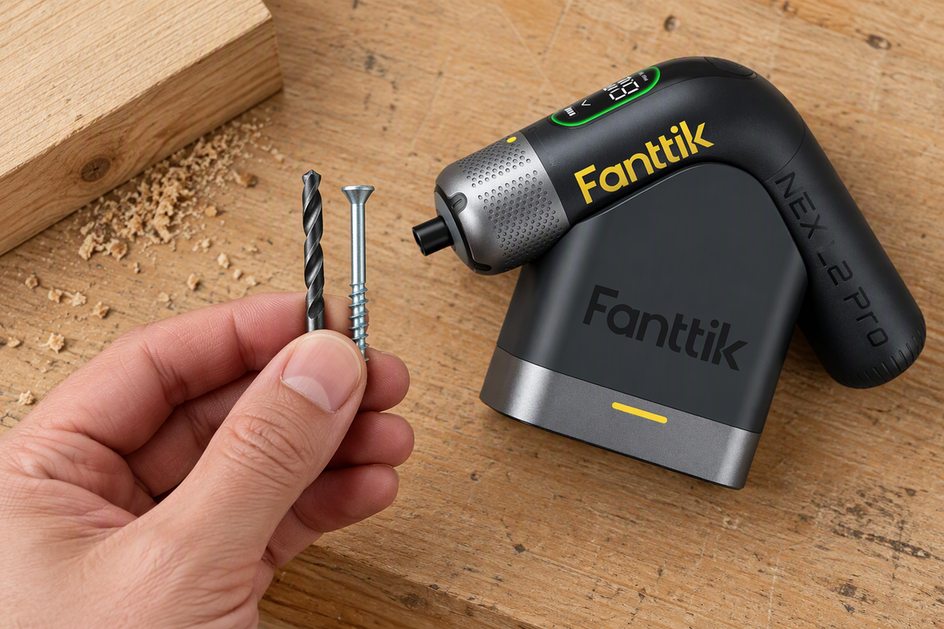 How to Choose a Drill Bit for a Wood Screw Pilot Hole
A practical guide to sizing pilot-hole drill bits for wood screws: why the thread-free core guides the size,...
How to Choose a Drill Bit for a Wood Screw Pilot Hole
A practical guide to sizing pilot-hole drill bits for wood screws: why the thread-free core guides the size,...
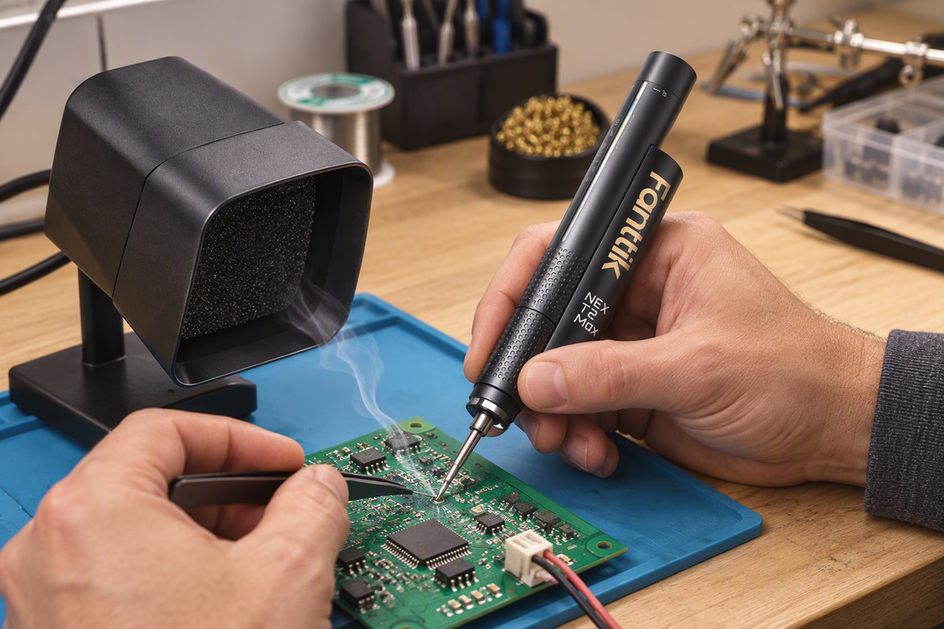 How to Set Up Ventilation for a Small Soldering Workspace
A step-by-step guide to reading solder and flux SDSs, placing a capture hood near the joint, and telling...
How to Set Up Ventilation for a Small Soldering Workspace
A step-by-step guide to reading solder and flux SDSs, placing a capture hood near the joint, and telling...

Leave a comment
This site is protected by hCaptcha and the hCaptcha Privacy Policy and Terms of Service apply.