

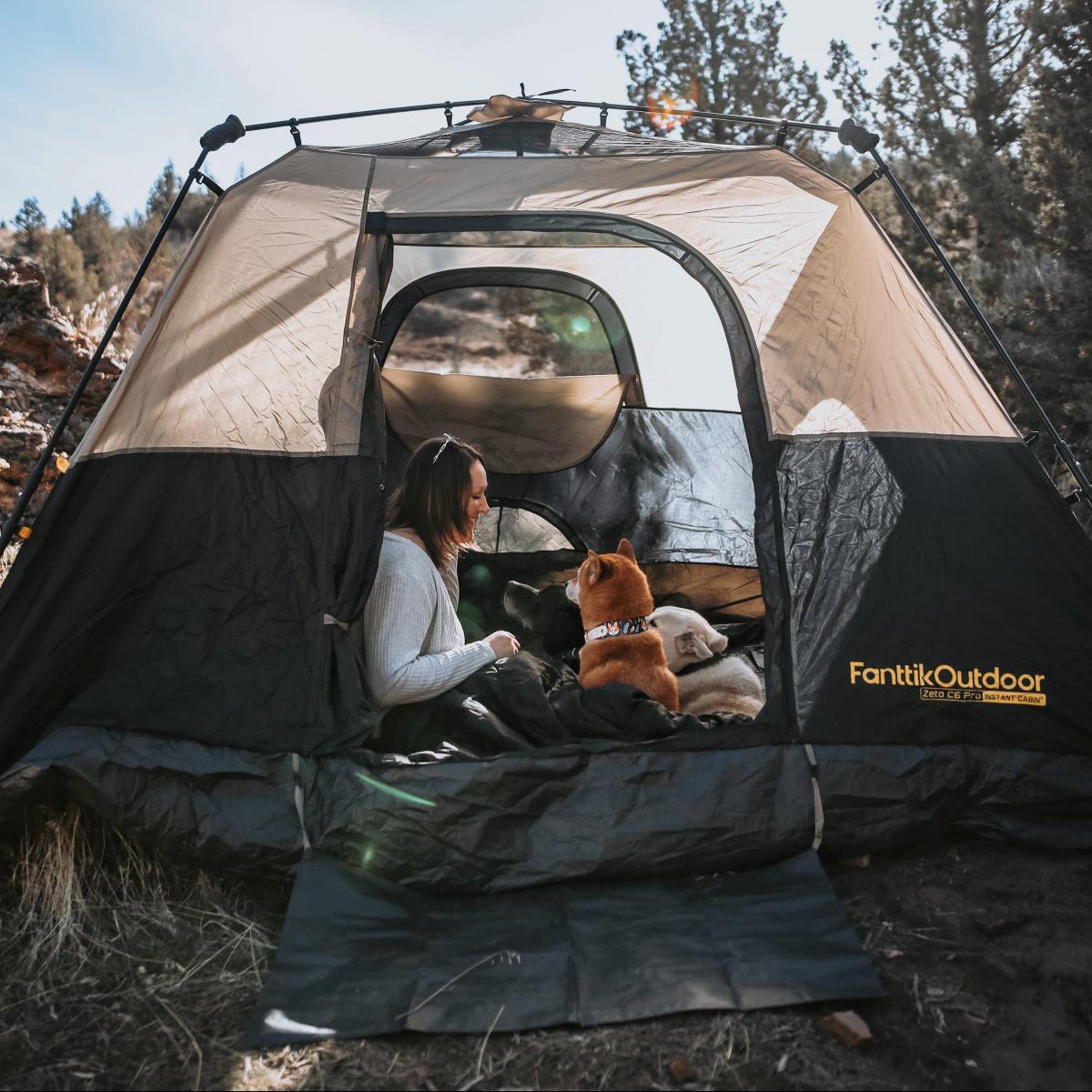





Choose a tent only when its floor dimensions and any setup or anchoring space it needs fit inside what your campsite allows. That means comparing two sets of numbers directly. The first is the site's tent pad dimensions and placement rules. The second is the tent maker's floor and setup specs.
Sleeping capacity is a separate check. A capacity label tells you how many people the maker rates the tent for. It doesn't tell you whether the footprint, stakes, and guylines will fit the pad. Settle physical fit first, then look at how your group will sleep.
Compare the Pad's Allowed Area With the Tent's Setup Needs
A tent fits a fixed pad when the site's usable area and rules can hold both its floor and its required anchors. Get each side from the source closest to the fact: the campground for the pad, and the tent maker for the tent.
Confirm the Selected Site's Usable Pad and Placement Rules
Start with the exact site you reserved or plan to reserve, not the campground in general. The U.S. Forest Service notes that pad sizes vary widely because tents used at recreation sites differ, and it names local campground managers as the best source for local tent-size information. Two real campgrounds show what site-specific information can look like:
- Piñon Flats (Great Sand Dunes): The park specifies that tents must fit on pads, and each site's dimensions and photos are listed when you reserve on Recreation.gov.
- Elkmont (Great Smoky Mountains): The campground listing gives 16 × 16-foot tent pads that hold one large or two small tents, and it says tents must be pitched on the pad.
Use those as examples of where to look, not as sizes to assume elsewhere. Then record three things for your own site:
- The specific site number and its listed pad length and width.
- The tent-placement rule, such as "tent must be on the pad."
- The anchoring rule for stakes and guylines. An on-pad tent rule doesn't say whether anchors may go past the pad edge. If the site information doesn't cover it, ask the campground before you choose.
Compare the Tent's Floor and Setup Requirements
Your tent inputs come from the manufacturer's spec sheet and setup instructions, not the capacity label. Keep these inputs separate so one number doesn't stand in for another:
- Floor length and width: the documented floor dimensions, compared with the pad's length and width.
- Setup and anchor space: any extra space the instructions show for stakes, guylines, or vestibules beyond the floor. Use only what the maker documents; there is no standard clearance to plug in.
- Orientation: whether the tent's long side lines up with the pad's long side, or whether a square pad lets you turn it either way.

Here is an illustrative example, not a tested fit. Say a tent lists a 10 × 14-foot floor and your site is a 16 × 16-foot pad like Elkmont's. The floor fits in both directions. If the setup instructions show guylines staked out several feet beyond the walls, though, the full setup may reach the pad edge. In that case the fit still depends on the campground's anchoring rule.
When you plan where stakes and lines will land, keep them away from paths and walkways. The National Park Service points out that stakes create tripping hazards near high-traffic areas. If you're still comparing models, our guide to choosing a cabin tent covers floor plans and footprints for campground trips. For pads that aren't flat, see our tips on pitching a tent on uneven ground.
Call the Fit Confirmed Only When Both Sides Are Clear
A tent passes when its documented floor and any required setup or anchor space both fit what the site allows, under the site's stated rules. If the floor fits but you don't know where anchors may go, or the maker doesn't show how far guylines extend, treat the fit as unconfirmed. Get the missing piece before you buy. From the campground, you need the exact site's tent pad dimensions and whether stakes and guylines may go past the pad. From the manufacturer, you need the floor size and any staking or guyline layout. Once both answers line up, you have a confirmed fit.
Once It Fits, Check the Sleeping Layout
Only tents that pass the pad check move on to this step. A good capacity rating never makes up for a failed or unconfirmed fit. Use the tent's floor plan to check how your group will actually sleep:
- Who's sleeping: the number of people, plus any kids or pets sharing the floor.
- How they sleep: individual sleeping pads side by side, a larger air mattress, or cots, laid out on the floor plan in the arrangement you'll really use.
- What stays inside: bags, boots, or other gear that needs floor space overnight.

If two tents both fit the pad, pick the floor plan that holds this arrangement without crowding. Our breakdown of family tent sizing explains how to read 4-person and 6-person ratings against real floor plans.
FAQs
Does the Forest Service's 48-inch clearance apply to every tent pad?
No. The Forest Service calls for 48 inches of clear space on all sides of tents on pads and platforms that are required to be accessible. That provision covers accessible pads specifically. It isn't a general pad size or an anchoring allowance for every campsite.
What if a tent's specs list floor size but nothing about stake or guyline space?
Look at the setup instructions or staking diagram, since those sometimes show where anchors go even when the spec sheet doesn't. If you already own the tent, you can pitch it at home with all stakes and lines out and measure the full spread yourself. If neither option gives you a number, the fit stays unconfirmed for a pad with strict placement rules. Ask the campground how much room anchors may take before you count on that tent.
Is a higher capacity rating a safer pick for a small fixed pad?
Not on its own. A higher capacity rating does not prove a tent will fit a fixed campsite pad. Choose the smallest documented floor that still holds your group's real sleeping arrangement, then confirm that tent against the site's pad and anchoring rules.
Continue reading
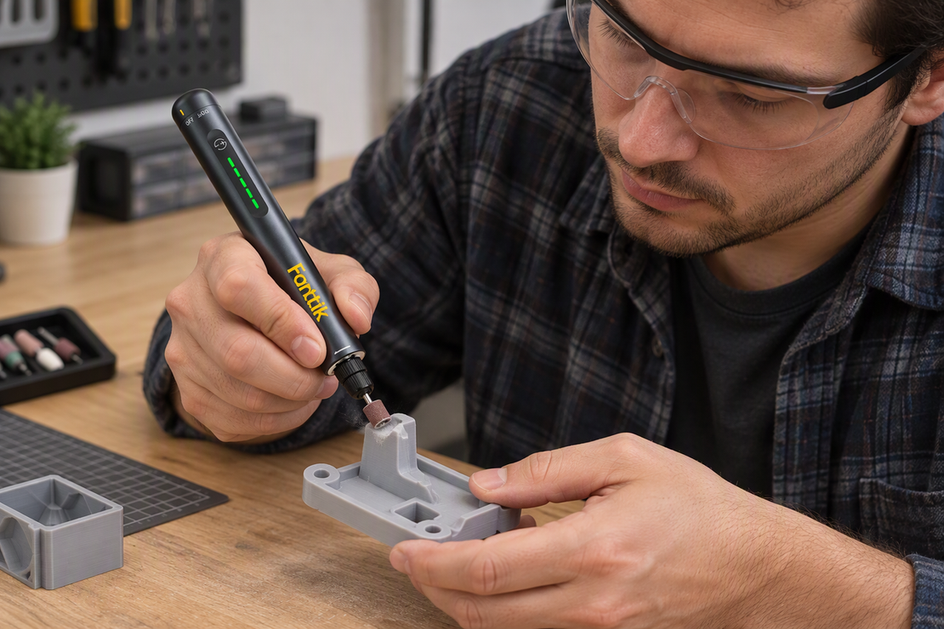 How to Remove 3D-Print Supports Without Damaging the Part
A staged guide to removing printed supports: hand tools first, solvent for soluble supports, gentle sanding for nubs,...
How to Remove 3D-Print Supports Without Damaging the Part
A staged guide to removing printed supports: hand tools first, solvent for soluble supports, gentle sanding for nubs,...
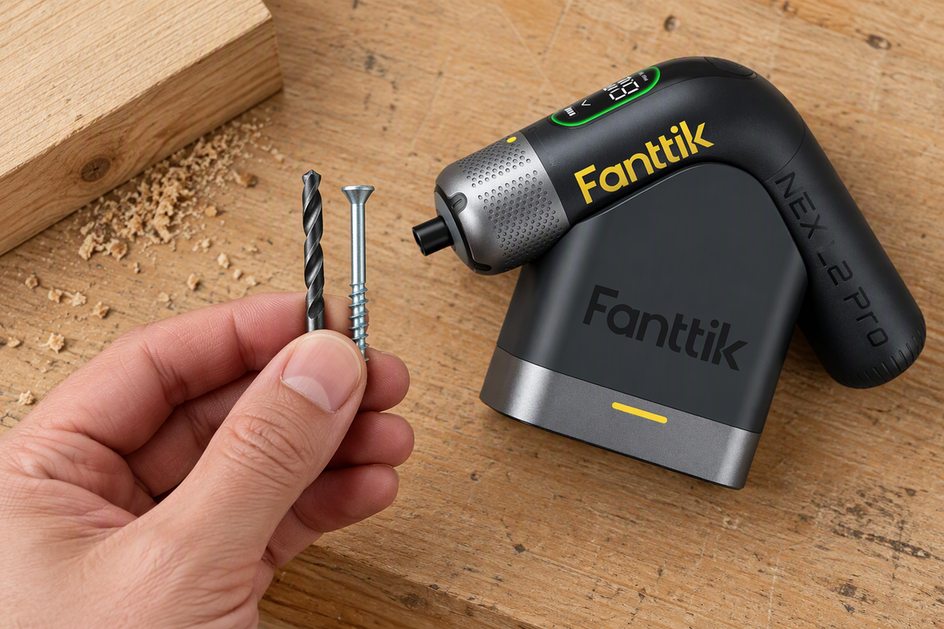 How to Choose a Drill Bit for a Wood Screw Pilot Hole
A practical guide to sizing pilot-hole drill bits for wood screws: why the thread-free core guides the size,...
How to Choose a Drill Bit for a Wood Screw Pilot Hole
A practical guide to sizing pilot-hole drill bits for wood screws: why the thread-free core guides the size,...
Leave a comment
This site is protected by hCaptcha and the hCaptcha Privacy Policy and Terms of Service apply.