






















The Torque-Weight Paradox: Engineering Balance in Outdoor Tools
In the world of outdoor maintenance and DIY, there is a persistent friction between the desire for raw power and the physical reality of portability. We often see users fall into the "peak torque trap"—selecting a tool based solely on its highest advertised power rating without considering the physical cost of the battery required to sustain that output.
Modern self-reliance demands tools that are not just powerful, but usable over extended periods. As we move toward a cordless-first industry, the engineering challenge shifts from simply "making it work" to "making it work for the human hand." This article explores the technical synergy between high-capacity batteries and efficient motors, providing a framework for balancing torque requirements with ergonomic health.
According to the EU General Product Safety Regulation (EU) 2023/988, product safety and ergonomic design are increasingly becoming a matter of regulatory compliance, ensuring that tools do not induce unnecessary strain or risk during standard use.
Sustained Power vs. Peak Torque: The Amperage Gap
The most common mistake we observe on our repair benches and in customer feedback is over-indexing on peak torque. Peak torque is a momentary measurement of force, but real-world outdoor tasks—such as driving long screws into pressure-treated lumber or clearing debris—require sustained current draw.
When a high-torque tool stalls, it is rarely because the motor lacks the capability. More often, it is due to "voltage sag." When a motor demands high amperage, the battery's internal resistance causes the voltage to drop. If the battery cannot deliver the required amps continuously, the tool’s Battery Management System (BMS) may trigger a thermal or low-voltage cutoff to prevent cell damage.
Logic Summary: This analysis of sustained torque assumes a 10-minute high-load task based on common DIY pattern recognition. It is a scenario model intended for tool selection, not a controlled laboratory study.
The 3:1 Runtime-to-Task Heuristic
To account for inefficiency and voltage drop, we recommend a 3:1 runtime-to-task ratio. If a specific outdoor job requires 10 minutes of continuous high-load operation, you should utilize a battery system capable of at least 30 minutes of runtime under similar conditions. This overhead ensures the battery remains within its "sweet spot" of discharge, preventing the overheating that leads to premature tool failure.
Biomechanics of Tool Balance and Grip Design
Total weight is a deceptive metric. A tool that weighs 3 lbs (1.4 kg) can feel significantly more fatiguing than one weighing 4 lbs (1.8 kg) if the weight is poorly distributed.
In our observations of tool usage patterns, we have found that tools where the battery pack is integrated directly into the handle often create a top-heavy or bottom-heavy feel. This imbalance shifts the workload from larger muscle groups (shoulders and biceps) to the smaller, more injury-prone joints of the wrist and elbow.
The Fulcrum Effect
Strategic placement of the battery can transform it from a burden into a stabilizing asset. By positioning the battery at the tool's fulcrum (the point where the grip meets the body), the center of gravity is lowered. This improves proprioception—your body's ability to sense the tool's position—and reduces the "pendulum effect" during precision tasks.
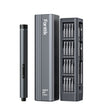
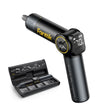
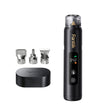
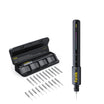
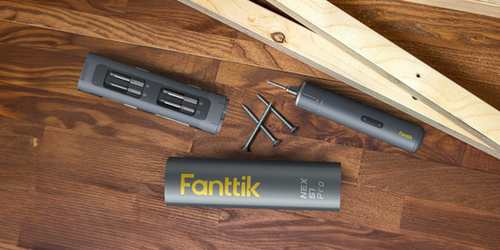
For tasks requiring high precision, such as electronics repair or light automotive trim work, a compact solution like the Fanttik L2 Pro Cordless Electric Screwdriver utilizes an inline design to maintain a neutral wrist position. This alignment is critical for preventing long-term strain during repetitive motions.

Environmental Impact: The Cold Weather Penalty
For outdoor enthusiasts and home maintainers, the environment is a primary variable in battery performance. Lithium-ion (Li-ion) chemistry is sensitive to temperature fluctuations, particularly in the cold.
| Parameter | Value or Range | Unit | Rationale / Source Category |
|---|---|---|---|
| Optimal Operating Temp | 60 - 80 | °F | Standard Li-ion efficiency range |
| Cold Threshold | < 50 | °F | Point where internal resistance increases |
| Capacity Loss at 32°F | 20 - 30 | % | Estimated range based on common chemistry |
| Sustained Discharge | 2C - 5C | Amps | High-draw requirement for torque |
| Heuristic Margin | 3:1 | Ratio | Professional runtime buffer |
When temperatures drop below 50°F (10°C), Li-ion capacity can drop by 20% or more. This is not just a runtime issue; it is a performance issue. Cold batteries suffer from higher internal resistance, which exacerbates voltage sag. In a winter landscaping or emergency roadside scenario, a tool that performed perfectly in July may stall in January because it cannot pull the necessary amperage through the "thickened" chemical state of the cells.
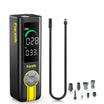
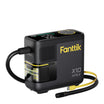
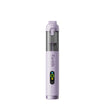
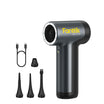
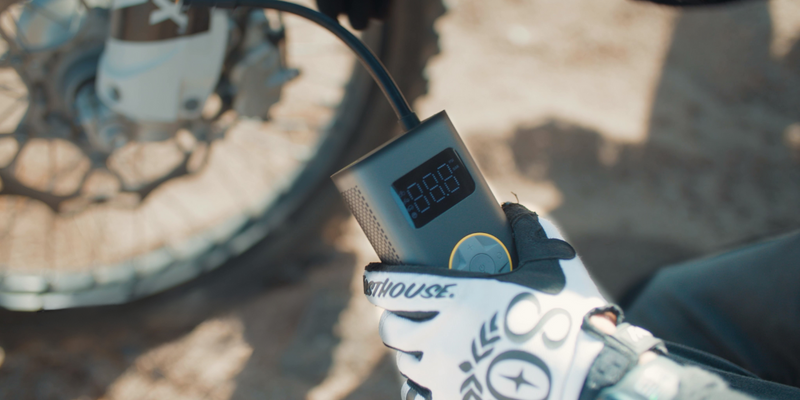
For emergency preparedness, devices like the Fanttik B10 Pro Max Electric Air Duster are engineered with high-discharge rates to ensure that even in variable outdoor conditions, the brushless motor receives the sustained power necessary for high-velocity tasks.
Mastering the Torque Curve
While DIYers often seek a universal "sweet spot," professional arborists and landscapers prioritize the torque curve over absolute weight. A lighter tool that has a "spiky" power delivery—stalling easily or kicking back violently when it hits a knot in the wood—is more dangerous and fatiguing than a slightly heavier tool with a smooth, linear torque delivery.
Smooth power delivery allows the user to anticipate the tool's reaction, reducing the "micro-adjustments" the wrist must make to stay in control. This concept is central to Engineering Trust in a Cordless World, where reliability is defined by predictable performance under load.
Case Study: Precision vs. Power
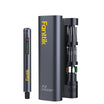
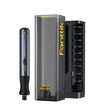
- Precision Tasks (Carving, Polishing): Here, weight is the enemy of fine motor control. A tool like the Fanttik F2 PRO Cordless Rotary Tool Kit prioritizes a slim, pen-like grip. The lower torque is offset by high RPMs, allowing the tool to do the work without requiring the user to apply heavy downward pressure.
- High-Torque Tasks (Drilling, Fastening): In these scenarios, the tool needs "heft" to resist the rotational force (torque) being applied to the fastener. Without sufficient tool mass or a balanced battery to act as a counterweight, that torque is transferred directly into the user's wrist.

Compliance and Transport: The Safety Layer
When selecting high-performance outdoor gear, technical competence also extends to safety and transport compliance. According to IATA Lithium Battery Guidance, high-capacity batteries (especially those over 100Wh) are subject to strict transport regulations (PI 965-967).
For the modern maintainer, this means looking for tools that provide transparent documentation regarding their Battery Management Systems. A robust BMS doesn't just manage power; it monitors cell temperature and prevents the "thermal runaway" risks associated with high-draw outdoor applications.
Furthermore, the FTC Endorsement Guides emphasize that performance claims must be substantiated. When a brand provides detailed discharge data or runtime-to-task heuristics, it builds the "credibility math" necessary for long-term trust.
Practical Selection Checklist for Outdoor Ergonomics
To find the "sweet spot" for your specific needs, use the following checklist before your next project:
- Identify the "Continuous Load" Time: Estimate how long you will actually be pulling the trigger under heavy resistance.
- Apply the 3:1 Rule: Ensure your battery capacity is three times your estimated continuous load time.
- Check the Fulcrum: Hold the tool in its working position. Does it pull your wrist forward or backward? Look for a neutral balance point.
- Account for Temperature: If working in sub-50°F weather, opt for a higher-capacity battery than you think you need to compensate for cold-weather voltage sag.
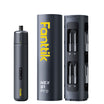
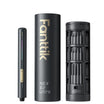
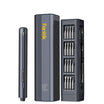
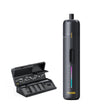
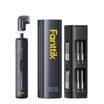
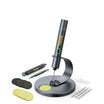
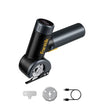
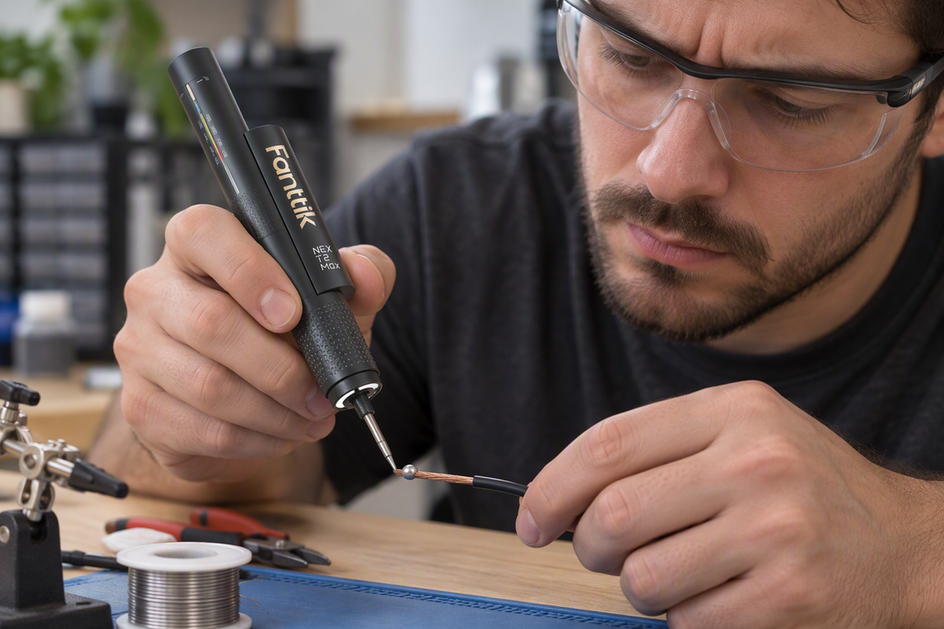
- Verify the Grip Diameter: For precision tools like the Fanttik K2 Nano 3.7V Precision Power Drill, ensure the grip allows for a "pinch" or "pencil" hold to maximize control without over-gripping.
The Future of Modern Self-Reliance
The evolution of portable power is not just about bigger batteries; it is about smarter power delivery. By understanding the relationship between sustained current draw, ergonomic balance, and environmental factors, you can build a toolkit that empowers you to handle outdoor challenges with confidence.
True performance is found where engineering precision meets human comfort. Whether you are maintaining a vehicle on a trail or completing a weekend DIY project, the right balance of weight and torque ensures that your tools remain an extension of your capability, not a source of fatigue.
For more insights on maintaining your gear, explore our guides on Managing Tool Battery Health in Cold Garages and Maximizing Battery Runtime for Off-Grid Tools.
Disclaimer: This article is for informational purposes only and does not constitute professional engineering or medical advice. Always follow the specific safety instructions provided in your tool's user manual and consult with a professional for high-risk electrical or mechanical repairs.
References
Continue reading
 Maintaining High-Torque Motors Against Outdoor Dust Abrasion
A guide to maintaining high-torque outdoor motors against dust, covering seal inspection, grease selection, and current monitoring for...
Maintaining High-Torque Motors Against Outdoor Dust Abrasion
A guide to maintaining high-torque outdoor motors against dust, covering seal inspection, grease selection, and current monitoring for...
 Upgrading Battery Packs for Consistent High-Torque Delivery
Covers internal resistance, voltage sag, cell comparison, and thermal management strategies to maintain peak motor performance.
Upgrading Battery Packs for Consistent High-Torque Delivery
Covers internal resistance, voltage sag, cell comparison, and thermal management strategies to maintain peak motor performance.
Leave a comment
This site is protected by hCaptcha and the hCaptcha Privacy Policy and Terms of Service apply.