










































IP Rating Integrity: Detecting Seal Leaks Before Motor Damage
Water ingress is the primary killer of pool electronics. For a robotic pool cleaner, the difference between a successful five-year service life and a catastrophic motor failure often comes down to a few millimeters of elastomer. While most high-end pool robots boast an IP68 rating, our experience on the repair bench suggests that a factory-fresh certification is only the starting point. In the high-consequence environment of a chemically treated pool, "IP integrity" is a dynamic state, not a static achievement.
We have observed that pool owners often mistake an IP rating for a permanent shield. However, consistent exposure to chlorine, thermal cycling, and mechanical stress creates a "wear-and-tear" profile that can compromise seals long before the hardware itself shows signs of age. To maximize the lifespan of your automated cleaning hardware, you must move beyond passive operation and adopt a methodical approach to seal health.
The Anatomy of a Seal Failure: Static vs. Dynamic
To understand why seals fail, we must first distinguish between the two primary types of protection found in robotic cleaners: static seals and dynamic seals.
A static seal, such as the O-ring under a main housing cover, remains stationary. These are relatively robust but can still fail due to compression set—a condition where the elastomer loses its "spring" and remains flattened. Conversely, dynamic seals are found where parts move, such as the swivel joint on the power cable or the drive shaft of the motor.
Based on common patterns from customer support and warranty handling (not a controlled lab study), we have identified a critical hierarchy of failure points:
- The Cable Gland: This is the most common point of seal failure. It is subjected to constant torsion and tension as the robot navigates the pool.
- Swivel Joints: Designed to prevent cable tangling, these joints rely on dynamic seals that must maintain integrity while rotating.
- The Main Housing: While this has the largest seal area, it is a static interface and typically the last part to fail unless the unit is dropped or improperly reassembled.
The "Half-Life" Rule of Thumb: In our professional observation, any seal subjected to torsion or repeated flexing typically has a lifespan roughly half that of a static seal in the same environment. If your main housing seal is rated for five years, you should be inspecting your cable glands and swivel joints every 24 months.
Logic Summary: This "Half-Life" heuristic is a practical baseline used by field technicians to prioritize maintenance. It accounts for the mechanical fatigue that dynamic seals face, which is not fully captured in standard IEC 60529 IP Ratings tests.
Environmental Stressors: Chemical and Thermal Degradation
Standard IP testing, such as the protocols defined in IEC 60529, usually involves clean water at stable temperatures. Your pool is neither clean (chemically speaking) nor stable.
Chemical Incompatibility
The most significant "hidden" killer of seals is the very chemistry that keeps your pool swimmable. Chlorine and bromine are aggressive oxidizers. Over time, they leach plasticizers from common elastomers like Nitrile (NBR). This causes the seal to harden and crack—a failure mode known as "embrittlement."
According to the ISO Standards Catalogue for quality management and material resilience, selecting the correct elastomer (such as EPDM or Viton) is critical for longevity in corrosive environments. We often see premature failures when third-party or "budget" replacement O-rings are used, as these may not meet the chemical resistance specifications required for pool use.
Thermal Cycling
Robotic cleaners often experience rapid temperature shifts. A unit sitting on a hot pool deck (reaching 40°C/104°F) that is suddenly dropped into 20°C (68°F) water undergoes thermal shock. The air inside the motor housing contracts, creating a vacuum that can "suck" water through a weakened seal. This is why Evaluating Seal Integrity is especially important after the unit has been stored in direct sunlight.
Detecting the "Invisible" Leak: Professional Indicators
By the time a robot stops moving, the damage is usually done. Water ingress leads to electrolyte-driven corrosion on the PCB and short-circuits in the motor windings. To prevent this, we look for two specific indicators of imminent failure.
1. The Gritty Residue Test
A telltale sign of imminent seal failure is the presence of a fine, gritty residue around the seal channel. This is not sand from the pool; it is the O-ring itself. As elastomers degrade, they shed microscopic particles. If you see a dark, "sooty" film when you wipe your finger across a seal, the material is breaking down and losing its ability to maintain a watertight interface.
2. The Vacuum/Pressure Check
While professional shops use expensive Pressure Decay Leak Testing, you can perform a high-confidence "field test" using a simple bicycle pump and soapy water.
The "Bicycle Pump" Method:
- Ensure the unit is completely dry.
- If the unit has a pressure relief valve or a service port, connect a bicycle pump with a built-in gauge.
- Pressurize the housing to a very low level (typically no more than 2-3 PSI). Warning: Excessive pressure will blow the seals outward; we are only looking for a slight positive pressure.
- Apply a mixture of dish soap and water to the cable gland, swivel joints, and housing seams.
- Watch for growing bubbles. A micro-leak will produce a "fizzing" effect, identifying a failure point long before water ingress causes motor damage.
Methodology Note: Modeling Seal Failure Rates
To provide a clearer picture of when failure is likely to occur, we modeled a "Standard Usage Scenario" for a residential pool robot. This model is a hypothetical estimate based on common industry heuristics and material science data.
| Parameter | Value or Range | Unit | Rationale / Source Category |
|---|---|---|---|
| Seal Material | EPDM / NBR | Type | Standard industrial elastomers |
| Chlorine Exposure | 1.0 - 4.0 | ppm | Typical residential pool chemistry |
| Annual Run Time | 400 - 600 | Hours | Based on 3 cycles/week for 6 months |
| Dynamic Flex Cycles | ~1,200 | Count | Estimated cable rotations per season |
| Thermal Delta | 20 | °C | Difference between deck temp and water temp |
Modeling Note: This scenario assumes the robot is removed from the pool after each cycle. Units left in the water 24/7 (perpetual immersion) typically see a 30-40% faster degradation rate in dynamic seals due to constant chemical exposure and the lack of "relaxation" time for the elastomers.
The "Credibility Math" of Maintenance
As highlighted in The 2026 Modern Essential Gear Industry Report: Engineering Trust in a Cordless World, true reliability in modern hardware is a function of "credibility math"—the intersection of visible engineering standards and real-world durability. For pool owners, this means moving beyond the marketing of IP ratings and understanding the operational reality of their equipment.
When you invest in a robotic cleaner, you are buying a complex electromechanical system. Maintaining IP Rating Integrity is the single most effective way to protect that investment.
Post-Impact Inspections: The "Golden Hour"
If you drop your robot on the pool deck, do not immediately put it back in the water. An impact can cause a "micro-shift" in the housing or a hairline fracture in a cable gland. We recommend performing a pressure check (as described above) immediately after any significant impact. Detecting a micro-leak in the "golden hour" before immersion can save the motor from a $500+ repair bill.
Maintenance Checklist for Long-Term Value
To ensure your robotic system remains efficient, follow this structured maintenance cadence:
- Weekly: Rinse the unit with fresh water to remove concentrated chlorine residue. Check the cable for kinks that could stress the cable gland.
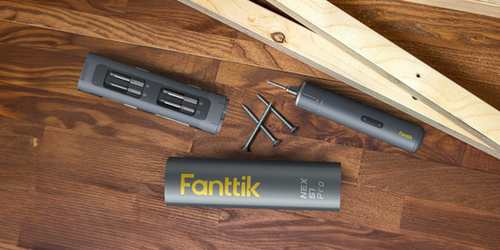
- Monthly: Inspect seals for the "gritty residue" mentioned earlier. Use a precision screwdriver to check that any external fasteners are snug (but not over-tightened, which can warp the seal).
- Seasonally: Apply a thin layer of silicone-based O-ring lubricant to static seals. Caution: Never use petroleum-based lubricants (like Vaseline), as they will cause many pool seals to swell and fail.
- Annually: Perform a deep clean of the filter system to reduce backpressure on the motor. For guidance on this, see our article on Restoring Suction.
Compliance and Safety Standards
Maintaining seal integrity is not just about protecting the motor; it is a critical safety requirement. According to the EU General Product Safety Regulation (EU) 2023/988, manufacturers are obligated to ensure products remain safe throughout their lifecycle. A compromised seal in a water-submersed electronic device poses a theoretical risk of electrical leakage. While modern pool transformers are designed to be "low voltage" and safe, maintaining the factory-intended isolation is a key part of responsible ownership.
Furthermore, ensure any replacement parts you purchase are traceable and compliant with relevant standards. Using non-compliant seals can void your warranty and compromise the Intelligent Navigation systems by allowing moisture to fog internal sensors.
Summary of Professional Insights
Protecting your pool robot requires a shift in perspective. Instead of viewing it as a "set and forget" appliance, treat it as a precision instrument operating in a hostile environment. By identifying the gritty signs of seal wear, understanding the stressors of chemical exposure, and performing proactive pressure checks, you can intercept failures before they reach the motor.
In an era of "modern self-reliance," the most valuable tool you have is knowledge. Understanding the "why" behind seal failure allows you to move from reactive repairs to proactive preservation, ensuring your pool stays clean and your equipment stays operational for years to come.
YMYL Disclaimer: This article is for informational purposes only and does not constitute professional electrical or pool maintenance advice. Always refer to your specific manufacturer's manual for maintenance procedures. If you suspect an electrical fault or significant water ingress, disconnect the power supply immediately and consult a certified technician. Working with submersed electronics involves inherent risks; ensure all equipment is connected to a GFCI (Ground Fault Circuit Interrupter) protected outlet.
References
Continue reading
 Off-Season Care: Winterizing Your Robotic Cleaner for Longevity
Covers moisture displacement, lithium-ion preservation, corrosion physics, and a detailed checklist to prevent spring failures.
Off-Season Care: Winterizing Your Robotic Cleaner for Longevity
Covers moisture displacement, lithium-ion preservation, corrosion physics, and a detailed checklist to prevent spring failures.
 Outdoor Power Safety: Charging Your Cordless Robot Safely
This guide details the Three-Point Pre-Charge Check, explains thermal risk models, and translates battery engineering into simple safety...
Outdoor Power Safety: Charging Your Cordless Robot Safely
This guide details the Three-Point Pre-Charge Check, explains thermal risk models, and translates battery engineering into simple safety...
Leave a comment
This site is protected by hCaptcha and the hCaptcha Privacy Policy and Terms of Service apply.