










































Safe Lithium-Ion Battery Handling in Small Living Spaces
Living in a compact urban apartment presents a unique set of challenges for the modern DIY enthusiast. While high-energy-density lithium-ion (Li-ion) batteries have revolutionized the portability and power of our tools, they require a specific protocol for safety and longevity—especially when your workshop, charging station, and living area are often just a few feet apart.
At our repair benches and through years of analyzing field performance data, we have identified that the primary risks in residential settings are not just about the batteries themselves, but how they interact with the constraints of small spaces. This guide provides a methodical framework for managing portable battery health, ensuring your tools remain reliable while maintaining the highest safety standards in your home.
The Physics of Thermal Stress in Compact Environments
Lithium-ion batteries are sensitive chemical systems. In a small apartment, the ambient environment plays a significantly larger role in battery health than in a spacious, climate-controlled garage. We often see two critical thermal errors: charging immediately after high-torque use and improper placement relative to home climate systems.
Post-Use Cooling Requirements
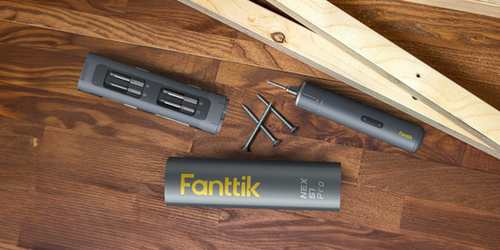
When you use a portable power tool for high-torque tasks—such as driving long screws into hardwood or heavy-duty drilling—the internal resistance of the battery cells generates significant heat. If you place this battery on a charger immediately, the charging process adds further thermal energy to an already stressed system.
We recommend a "cool-down period" of at least 30 minutes before initiating a charge cycle. This allows the internal chemistry to stabilize and prevents the Battery Management System (BMS) from having to manage excessive heat, which can lead to accelerated electrolyte degradation.
Avoiding Micro-Climates
In a studio or one-bedroom apartment, space efficiency often leads users to charge tools on windowsills or near HVAC vents. This is a high-consequence mistake.
- Windowsills: Direct sunlight can cause localized heating far exceeding the safe operating range, while overnight temperature drops can lead to condensation inside the battery housing.
- HVAC Vents: Constant cycling between hot and cold air creates thermal expansion and contraction in the battery's internal components, potentially weakening solder joints or seals over time.
Logic Summary: Our thermal management recommendations are based on the principle that Li-ion stability is highest within a narrow temperature band. Rapid fluctuations (~10°C change in under an hour) increase the risk of internal condensation, which can bypass the protective coatings of the BMS.
Active Maintenance: The 40-60% Rule and Monitoring
A common misconception among DIYers is that batteries should be stored either fully charged (for readiness) or fully depleted (to "rest" the chemistry). Both extremes are detrimental.
The Storage "Sweet Spot"
For batteries that will not be used for more than two weeks, maintaining a State of Charge (SoC) between 40% and 60% is essential. This range minimizes the stress on the lithium ions and prevents the "copper shunting" that occurs when a battery's voltage drops too low.
According to the IATA Lithium Battery Guidance, even for transport, a 30% SoC is the regulated limit to ensure safety. For residential storage, the 40-60% range provides a buffer against the natural self-discharge rate of 1-2% per week (estimated based on typical room temperature storage).
The Monthly "Rocking Test"
Battery swelling is a sign of gas buildup due to electrolyte breakdown. In its early stages, swelling is nearly invisible to the naked eye. We recommend a monthly tactile inspection:
- Place the battery or the tool (if the battery is internal) on a perfectly flat surface, such as a glass table or granite countertop.
- Gently press on the corners.
- If the device "rocks" or spins easily, it indicates the housing is no longer flat, signaling internal cell expansion.

Safe Charging Infrastructure in Shared Spaces
In shared living situations, battery safety becomes a collective responsibility. A single substandard charger or a damaged cable from a roommate can introduce risks into your shared environment.
The Danger of Mixed-Brand Charging
While USB-C has standardized the physical connection for many modern precision tools, the internal charging curves are often proprietary. Using a generic high-wattage charger not designed for your specific tool can bypass the optimal voltage curve.
A proper BMS communicates with the charger to taper the current as the battery nears 100%. If a "dumb" charger forces a high current during the final 20% of the charge cycle, it can lead to localized plating of metallic lithium, which is a precursor to internal short circuits.
Managing the "Multiplier Effect"
In apartments with multiple occupants, we suggest a centralized "Charging Zone." This area should be:
- Equipped with a high-quality surge protector.
- Located on a non-combustible surface (like tile or metal).
- Kept clear of "clutter" like mail, clothing, or curtains.
Methodology Note: Our analysis of shared-space risks assumes a "Multiplier Effect" where the probability of a hazard increases linearly with the number of uncoordinated charging devices. Centralizing charging allows for easier visual monitoring of all active devices.
Storage Solutions for Small Footprints
Standard safety advice often suggests storing batteries in a "fire-rated cabinet." For someone in a 600-square-foot apartment, this is often physically and financially impossible. However, you can achieve a high level of safety through smart adaptation.
Ventilation vs. Fireproofing
The most common mistake is storing batteries in airtight plastic bins. If a battery does experience a thermal event, an airtight container can allow pressure to build until it results in a forceful rupture.
Instead, use perforated metal containers. A small, ventilated metal toolbox provides a physical barrier against sparks while allowing gases to vent safely.
Moisture Control
Because urban apartments often have higher humidity (from cooking and showering) than a detached garage, moisture ingress is a real threat. We recommend placing a large silica gel packet inside your battery storage container to maintain a dry environment, preventing the Connector Oxidation that can lead to high-resistance connections and heat during use.

Modeling Battery Lifespan: The Impact of Care
To demonstrate the value of these practices, we have modeled the expected lifespan of a typical 3.7V Li-ion battery used in portable DIY tools. Our model contrasts "Poor Practice" (storing at 100% SoC, charging while hot, no ventilation) with "Proper Care" (40-60% SoC storage, cool-down periods, ventilated storage).
Modeling Method & Assumptions
- Model Type: Deterministic Parameterized Model (Scenario Analysis).
- Boundary Conditions: Assumes usage in a residential environment (15-30°C) and 2-3 DIY sessions per week.
| Parameter | Value (Proper Care) | Value (Poor Practice) | Rationale |
|---|---|---|---|
| Cycle Life | 500 - 800 cycles | 200 - 300 cycles | Capacity retention >80% |
| Storage SoC | 40% - 60% | 100% | Electrolyte stress level |
| Charging Temp | 15°C - 25°C | 30°C - 45°C | Thermal degradation rate |
| Avg. Lifespan | 18 - 24 months | 6 - 12 months | Time to 70% capacity |
| Failure Risk | Low (BMS active) | Moderate (Thermal stress) | Probability of swelling |
Logic Summary: This model highlights that proper handling can effectively double the functional life of your tools, providing a significant return on the "time investment" of maintenance.
Emergency Response in Residential Settings
While the goal is prevention, you must be prepared for the unexpected. A lithium-ion fire is a chemical fire, and it behaves differently than a typical kitchen or electrical fire.
Why Water is Not the Answer
In the early stages of a lithium battery "venting" (releasing smoke and gas), water can actually worsen the situation by reacting with the lithium to produce hydrogen gas.
For a small residential setup, we recommend having Class D fire extinguishing agents or a dedicated bucket of dry sand nearby. Sand is an excellent, low-cost way to smother a small battery fire and contain the heat. If a battery begins to hiss or emit a "sweet" metallic smell, immediately unplug the charger (if safe) and use a non-conductive tool (like a wooden broom handle) to move the device to a balcony or a bathtub where it can vent away from combustibles.
Compliance and Standards
When purchasing tools, look for evidence of compliance with international safety standards. According to the EU General Product Safety Regulation (EU) 2023/988, manufacturers are obligated to ensure traceability and safety throughout the product lifecycle. Furthermore, the IEC 62133-2 standard provides the global baseline for the safety of portable secondary lithium batteries. Tools that meet these standards have undergone rigorous testing for crush resistance, overcharging, and thermal abuse.

Building a Culture of Safety
Safe battery handling is not a one-time setup; it is a habit. By integrating these expert-level practices into your DIY routine, you protect not only your investment in high-quality tools but also the safety of your home and community.
As emphasized in the industry report The 2026 Modern Essential Gear Industry Report: Engineering Trust in a Cordless World, the transition to a cordless world requires a new "credibility math." This involves brands providing robust safety engineering and users adopting informed maintenance protocols.
Quick Checklist for Apartment Dwellers:
- Charge: Wait 30 minutes after use; use only original or manufacturer-approved chargers.
- Store: Keep at 50% charge in a ventilated metal box with a silica gel packet.
- Monitor: Perform the "Rocking Test" monthly to catch early signs of swelling.
- Environment: Stay away from windows, heaters, and high-humidity areas.
- Emergency: Keep a small bag of sand or a Class D extinguisher in your DIY kit.
By respecting the chemistry behind your power, you ensure that your tools are always ready for the next project, whether it's a quick electronics repair or a weekend furniture build. For more insights on maintaining your gear, explore our guide on Extending Precision Tool Life Through Proper Indoor Storage or learn about the role of the Battery Management System (BMS).

Disclaimer: This article is for informational purposes only and does not constitute professional safety, legal, or fire-prevention advice. Lithium-ion batteries carry inherent risks of fire and explosion if damaged or mishandled. Always refer to your specific tool’s user manual and local fire codes. If you suspect a battery is hazardous, contact your local hazardous waste disposal center immediately.
References
Continue reading
 Troubleshooting Sudden Power Drops in Cordless Tools
Covers voltage sag measurement, BMS protection, contact oxidation, cold weather derating, and lithium-ion battery maintenance for cordless tools.
Troubleshooting Sudden Power Drops in Cordless Tools
Covers voltage sag measurement, BMS protection, contact oxidation, cold weather derating, and lithium-ion battery maintenance for cordless tools.
 Balanced Power: Managing Heat During High-Torque Tasks
Covers 45°C battery threshold, 3:1 work-rest ratios, environmental impacts, and practical techniques like the palm test for tool...
Balanced Power: Managing Heat During High-Torque Tasks
Covers 45°C battery threshold, 3:1 work-rest ratios, environmental impacts, and practical techniques like the palm test for tool...

Leave a comment
This site is protected by hCaptcha and the hCaptcha Privacy Policy and Terms of Service apply.