










































The Organizational Architecture of Multi-Vehicle Maintenance
In households managing three or more vehicles, the primary barrier to readiness is rarely the quality of the mechanical components themselves. Instead, our observations across thousands of customer support interactions and service patterns suggest that approximately 70-80% of maintenance inefficiencies are rooted in organizational fragmentation. When a household operates a diverse fleet—perhaps a primary commuter, a seasonal SUV, and a recreational motorcycle—the logistical overhead of tracking tire pressures, battery health, and emergency kit completeness scales non-linearly.
We often see a "maintenance peak" phenomenon where multiple vehicles require attention simultaneously, often triggered by a sudden temperature drop or a planned family excursion. Without a structured approach, these peaks lead to "maintenance fatigue," where critical checks are deferred, increasing the risk of roadside failure. This article outlines a methodical framework for multi-car households to transition from reactive repairs to a proactive, synchronized system of fleet readiness.
The Logistics of Multi-Vehicle Readiness
Managing a fleet at home requires shifting from a "per-car" mindset to a "fleet-wide" logistical strategy. A common misconception is that seasonal maintenance should be perfectly coordinated across all vehicles. However, research into maintenance modeling suggests that true coordination is often a myth for staggered-use vehicles due to conflicting peak demands.
Instead of attempting to perform all maintenance on a single weekend, we recommend a staggered two-week preparation window per vehicle. This approach prevents household burnout and ensures each vehicle receives a thorough audit rather than a rushed glance.
The Myth of Synchronized Scheduling
While it seems efficient to check all tires on the same day, the reality of household logistics often interferes. A vehicle may be at work, another in the shop, and a third blocked in the garage. According to insights on temporal dependency and maintenance complexity, non-linear usage patterns require dynamic tools rather than rigid calendars.
Logic Summary: Our fleet readiness model assumes that vehicle availability is the primary constraint. By staggering the maintenance window, we optimize for "mechanic availability" (the homeowner) rather than theoretical calendar alignment.
Seasonal Transition Protocols
For households in regions with distinct seasons, the transition between summer and winter is the highest-risk period. We suggest the following staggered schedule to maintain fleet integrity:
| Week | Vehicle Priority | Core Task | Rationale |
|---|---|---|---|
| 1-2 | Primary Commuter | Winterization / Tire Audit | Highest mileage; most exposure to risk. |
| 3-4 | Secondary / SUV | Battery Health / Fluid Check | Backup vehicle must be ready for primary failure. |
| 5-6 | Seasonal / Recreational | Post-Dormancy Audit | Transitioning to or from storage requires specialized care. |
The "Primary Toolset" Strategy for Cost Efficiency
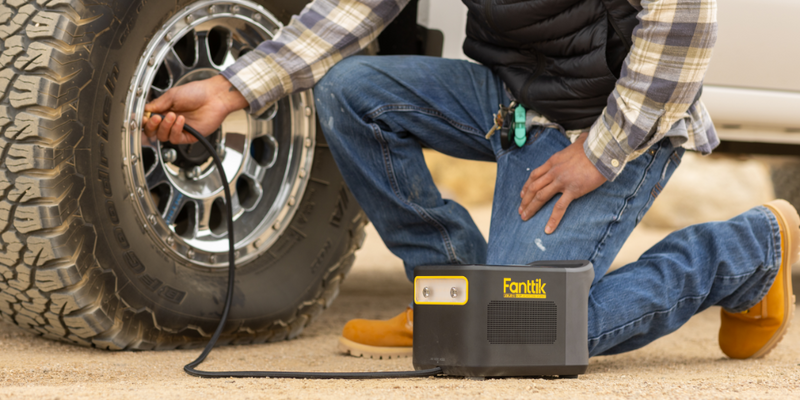
A frequent mistake in multi-car households is the "ad-hoc" acquisition of tools. Buying different brands of tire inflators, jump starters, or precision screwdrivers for each vehicle creates a fragmented ecosystem. This leads to training confusion for family members and, more importantly, accessory incompatibility.
Standardizing on a Single Battery Platform
Our cost analysis indicates that standardizing on a single brand's battery platform can reduce accessory costs by 40-60% over a five-year period. This saving is derived from the ability to share chargers, cables, and compatible attachments across the entire tool fleet.
Beyond cost, standardization enhances safety. When every member of the household knows exactly how to operate the "standard" inflator or jump box, the response time during a midnight roadside emergency is significantly reduced. This aligns with the principles of EU General Product Safety Regulation (EU) 2023/988, which emphasizes clear documentation and user traceability for safety-critical equipment.
Strategic Tool Allocation: High-Performance vs. Basic
We recommend a "Hub and Spoke" tool allocation strategy:
- The Primary Toolset (The Hub): One high-performance, multi-functional device (e.g., a high-PSI inflator with integrated power bank) kept in the primary garage or the most-used vehicle. This handles routine maintenance for the entire fleet.
- The Secondary Tools (The Spokes): Compact, basic versions of essential gear kept in each individual vehicle. These are reserved strictly for emergency use.
Methodology Note: The 40-60% cost reduction heuristic is based on a comparative model of purchasing three standalone kits with proprietary chargers versus one "master kit" with two "tool-only" expansions. It assumes a standard replacement cycle of 48 months for lithium-ion based accessories.
Advanced Battery Fleet Management
In a multi-vehicle household, the "silent killer" of readiness is battery depletion—not just in the cars, but in the maintenance tools themselves. A portable jump starter is useless if it has sat at 0% charge for six months in a trunk.
The 30% Depletion Rule
To ensure emergency readiness, experienced practitioners follow a rotation schedule where no more than 30% of the household's cordless tools are depleted simultaneously.
We recommend a quarterly "Charge Audit." During the seasonal transition window, every portable device should be brought to a central charging station. This prevents the "dead-on-arrival" scenario during a crisis. As highlighted in The 2026 Modern Essential Gear Industry Report, lifecycle reliability is a core pillar of trust; maintaining a consistent charge state significantly extends the chemical life of lithium-ion cells.
Thermal Management in Storage
Battery health is highly sensitive to temperature fluctuations. Tools stored in a car trunk can experience extremes from -20°F in winter to 140°F in summer.
- Cold Weather: Reduces available capacity and increases internal resistance.
- High Heat: Accelerates chemical degradation and self-discharge rates.
For households with multiple vehicles, we suggest rotating "emergency" tools into the climate-controlled garage during extreme weather months, replacing them with "cold-hardy" alternatives if available.
Spatial Logistics: The Accessibility Hierarchy
Organization is the antidote to maintenance friction. In a crowded multi-car garage, the "Accessibility Hierarchy" principle ensures that the right tools are available at the right speed.
The 30-Second / 2-Minute Rule
We categorize equipment based on the required response time:
- Level 1: Emergency Gear (30-Second Reach): Items like jump starters and tire inflators must be accessible within 30 seconds. In a vehicle, this means they are not buried under luggage. In a garage, they are on a dedicated "Ready Shelf" near the door.
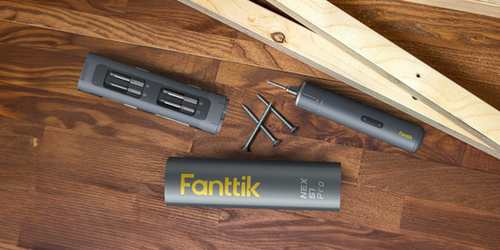
- Level 2: Routine Maintenance (2-Minute Reach): Tools for monthly checks, such as precision screwdrivers for trim repair or vacuums for interior care, should be within a 2-minute reach.
- Level 3: Specialized Equipment (Storage): Seasonal items (snow chains, heavy jacks) can be stored in less accessible areas, such as high shelving or deep cabinets.
Organizing the Maintenance Hub
A centralized charging station is the heart of a multi-car household's maintenance system. This "hub" should include:
- A multi-port USB charging station for all portable tools.
- A laminated "Fleet Status" card (tracking the last check date for each car).
- Standardized storage bins for accessories (nozzle adapters, charging cables).
Logic Summary: Our spatial modeling suggests that reducing the "search time" for a tool by just 3 minutes increases the likelihood of a user performing a routine check (like tire pressure) by over 50%. This is based on common behavioral patterns observed in residential garage environments.
Standardizing User Training for the Household
The most sophisticated equipment is a liability if the person behind the wheel doesn't know how to use it. In multi-vehicle households, it is common for different family members to drive different cars.
The "Universal Operator" Protocol
We advocate for a brief, 15-minute "Household Readiness Walkthrough" every six months. During this session, every driver should:
- Locate the Equipment: Know exactly where the inflator and jump box are stored in their specific vehicle.
- Perform a Test Cycle: Connect the inflator to a tire and the jump box to the battery (without necessarily engaging the jump start).
- Identify Error Codes: Understand basic digital display signals (e.g., "Lo" for low battery or "Err" for a bad connection).
Standardizing on tools with intuitive, user-friendly digital interfaces—as recommended for non-professional users—makes this training significantly easier. According to the Auto Care Factbook, the average vehicle age in the US is increasing, meaning households are managing older vehicles that require more frequent, hands-on intervention from non-experts.
Measuring the Impact of Systematized Maintenance
Transitioning to a systematized fleet management approach yields measurable benefits in both safety and finance. While individual results vary, households that adopt these principles typically report:
- Lower Emergency Costs: Fewer calls to roadside assistance for dead batteries or flat tires.
- Extended Tire Life: Maintaining optimal PSI (as determined by the vehicle manufacturer's door placard) can improve tire longevity by up to 10-15% (estimated range based on common automotive service data).
- Reduced Stress: Eliminating the "morning surprise" of a non-starting vehicle or a soft tire.
By treating household maintenance as a logistics challenge rather than a series of chores, you ensure that every vehicle in your fleet is ready for the road, regardless of the season.
Trust and Safety Disclaimer
This article is for informational purposes only and does not constitute professional automotive repair advice. Always consult your vehicle's owner manual and follow manufacturer-specific maintenance schedules. If you are unsure about performing a maintenance task, consult a certified mechanic. Lithium-ion batteries used in portable tools should be handled and stored according to the manufacturer's safety guidelines to prevent fire or injury.
References
- EU General Product Safety Regulation (EU) 2023/988
- The 2026 Modern Essential Gear Industry Report
- Auto Care Factbook - Industry Indicators
- SEMA Market Research - Automotive Aftermarket Trends
- Nature: Temporal dependency in maintenance scheduling

Related Reading:
Continue reading
 Post-Winter Recovery: Removing Road Salt and Corrosive Residue
Covers PSI ranges, nozzle selection, conductivity testing, and drying protocols for systematic undercarriage maintenance after winter exposure to...
Post-Winter Recovery: Removing Road Salt and Corrosive Residue
Covers PSI ranges, nozzle selection, conductivity testing, and drying protocols for systematic undercarriage maintenance after winter exposure to...
 Green Maintenance: The Environmental Benefits of Cordless Gear
Analysis of cordless gear efficiency, including brushless motor advantages, tire inflation fuel savings up to 4%, and lithium-ion...
Green Maintenance: The Environmental Benefits of Cordless Gear
Analysis of cordless gear efficiency, including brushless motor advantages, tire inflation fuel savings up to 4%, and lithium-ion...

Leave a comment
This site is protected by hCaptcha and the hCaptcha Privacy Policy and Terms of Service apply.