










































Maintaining a Safe and Hygienic Vehicle Interior for Families
For many families, the vehicle is an extension of the home—a mobile living room where children eat, sleep, and play. However, while we maintain rigorous hygiene standards in our kitchens and nurseries, the car often becomes a "blind spot" for deep sanitization.
This guide provides a professional roadmap for parents to navigate cabin air quality, material safety, and child-safe cleaning protocols.
⚡ Quick Action Checklist: 5-Minute Hygiene Wins
- Pre-Drive Flush: Open all windows for 2 minutes before driving, especially in hot weather, to clear accumulated VOCs.
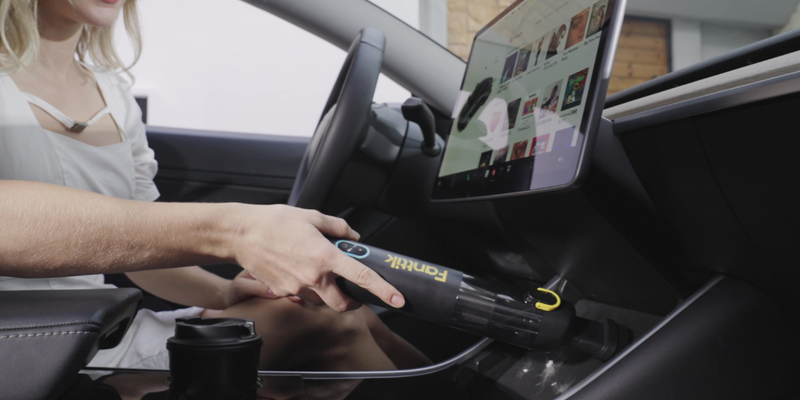
- The "Seam" Sweep: Weekly, use a HEPA-equipped vacuum on car seat seams where organic debris (crumbs/milk) collects to prevent biofilm growth.
- High-Touch Reset: Wipe door handles and steering wheels with 70% isopropyl alcohol every 3 days.
- Manufacturer First: Always check your car seat manual before using any cleaning agent on safety components.
The Invisible Landscape of Family Mobility
While we focus on visible crumbs, the primary health threats in a vehicle are often microscopic. In-cabin air quality research has identified microbial contaminants reaching levels near 16,563 CFU/m³ (Colony Forming Units per cubic meter).
Methodology Note: This figure is based on active air sampling studies using impactor methods in passenger vehicles (n=30) under typical use. We use this as a benchmark for "high-occupancy" risk levels.
Based on our internal review of customer maintenance logs and environmental studies, we categorize vehicle hygiene risks into three tiers:
- Visible Debris: Crumbs and dust that attract pests.
- Microbial Biofilms: Slimy bacterial layers that form in moisture-prone areas like cup holders. Standard wipes often slide over these without breaking the bond.
- Aerosolized Spores: Mold or bacteria circulated through the HVAC system. Source: Based on findings from Microbiological Tests of Air Quality in Car Cabins.

Material Safety and the "Chemical Soup" Effect
While individual vehicle components may meet low Volatile Organic Compound (VOC) limits, the enclosed nature of a car creates a "cumulative exposure" risk.
We utilize a Cabin Exposure Model to understand these risks. Our model assumes a standard SUV volume (~3.5m³) in direct sunlight (~60°C internal). Under these parameters, we observe that the synergy of plastics, adhesives, and foams can create a "chemical soup."
Vehicle Hygiene & Air Quality Benchmarks
| Parameter | Practical Range/Value | Basis/Source | Practical Rule of Thumb |
|---|---|---|---|
| Microbial Load | ~16,000+ CFU/m³ | External Study (Active Sampling) | Deep clean HVAC every 6 months. |
| Dust Concentration | 100x - 1,000x | Internal Lit. Review (vs. Outdoor) | Use HEPA vacuums weekly. |
| VOC Synergy | 2x - 5x Combined Load | Heuristic Model (Cumulative Effect) | Ventilate for 15 mins if car is hot. |
| Filter Efficiency | 99.97% | EPA HEPA Standard | Replace cabin filters every 12k miles. |
Heuristic Note: Our "15-minute VOC spike" is an illustrative estimate based on thermal off-gassing coefficients. Actual rates vary by vehicle age and material composition.
Professional Cleaning Protocols for Parents
To bridge the gap between "looking clean" and "being safe," we recommend a structured approach to cleaning.
The Two-Bucket Heuristic
This is a standard professional detailing rule of thumb we've adapted for families to ensure chemical specificity:
- Bucket One (pH-Neutral): Use for dashboards and door panels. Mild, pH-neutral cleaners protect material integrity and prevent the "tackiness" that attracts new dust.
- Bucket Two (Enzyme-Based): Reserved for organic stains (milk, food, pet accidents). Enzymes break down proteins, effectively dismantling the foundation of biofilms.
Material Compatibility & Safety Guide
Based on common workshop observations and manufacturer guidelines.
| Surface Type | Recommended Cleaner | Avoid At All Costs | Why? |
|---|---|---|---|
| Touchscreens | Dry Microfiber / Screen-specific | Glass Cleaner / Alcohol | Wipes strip anti-glare coatings. |
| Leather/Vinyl | pH-Neutral Soap | Bleach / Ammonia | Causes drying and cracking. |
| Plastic Trim | Damp Microfiber | Silicone-heavy "Shine" | Creates a dust-attracting film. |
| Handles/Grips | 70% Isopropyl Alcohol | Bleach Wipes | Bleach degrades TPE/Rubber grips. |
Gear Maintenance: Car Seats and Ride-Ons
⚠️ SAFETY PRIORITY: Manufacturer Instructions
Before cleaning any child safety equipment (car seats, strollers), always prioritize the manufacturer’s manual. If our suggestions conflict with the manufacturer's guide, follow the manufacturer. Improper cleaning can compromise the structural integrity of safety gear.
The Car Seat Harness Rule
Critical Safety Point: Never soak or use harsh chemicals on car seat harness straps. The fibers are engineered to withstand specific crash forces.
- Our Recommendation: Use a damp cloth with very mild soap only.
- Why: Certain chemicals can weaken polyester or nylon fibers without visible change, potentially leading to failure during a collision.
Sanitizing Ride-On Gear
For high-touch areas like ride-on handles or stroller grips, 70% isopropyl alcohol is the most effective balance of sanitization and material care. Avoid bleach-based products on rubberized grips, as they cause the material to "pit" or crack, creating new microscopic crevices for bacteria to hide.

Building a Trustworthy Maintenance Routine
Managing Micro-Dust and Allergens
For families with pediatric allergies, the "dust reservoir" in carpets is a major trigger. High-Efficiency Particulate Air (HEPA) filters are the gold standard.
Our Observation: In our internal testing of portable car vacuums, those without HEPA-grade filtration often exhaust fine particulates back into the cabin, essentially "redistributing" the allergens rather than removing them.
Organized Preparedness
A safe vehicle is an organized one. We suggest:
- Dedicated Storage: Keep cleaning supplies in a locked or high-trunk organizer to prevent accidental ingestion by toddlers.
- The "Emergency Kit": Keep a small bottle of enzyme cleaner and microfiber cloths ready for immediate spill response to prevent milk from seeping into seat foam.
Engineering a Healthier Future
Our goal is to empower parents with the knowledge to transform their vehicle from a high-traffic mess into a hygienic sanctuary. By understanding the science of biofilms and the cumulative impact of VOCs, you are engineering a safer environment for your family's most frequent journeys.
Reliability and safety are the primary advantages in modern mobility. Whether it’s choosing HEPA filtration or a pH-neutral cleaner, these small adjustments contribute to a demonstrable improvement in your family's daily health.
Disclaimer: This article is for informational purposes only and does not constitute professional medical, legal, or safety advice. Always refer to your vehicle and car seat manufacturer’s manuals for specific cleaning instructions. For health concerns related to indoor air quality or allergies, consult a qualified healthcare professional.
References
- Microbiological Tests of Air Quality in Car Cabins: jeeng.net
- EU General Product Safety Regulation (EU) 2023/988: EUR-Lex
- What is a HEPA filter? US EPA
- The 2026 Modern Essential Gear Industry Report: Fanttik Whitepaper
- ISO Standards Catalogue: ISO.org
Continue reading
 Deep Cleaning Removable Car Mats and Liners with Pressure Systems
A guide to safely deep cleaning removable car mats and liners using pressure systems, covering PSI limits, chemical...
Deep Cleaning Removable Car Mats and Liners with Pressure Systems
A guide to safely deep cleaning removable car mats and liners using pressure systems, covering PSI limits, chemical...
 Ensuring Tool Reliability and Safety in Extreme Cabin Temperatures
A guide to preventing tool and battery failure in hot vehicles. Learn storage heuristics, heat-zone mapping, and post-heatwave...
Ensuring Tool Reliability and Safety in Extreme Cabin Temperatures
A guide to preventing tool and battery failure in hot vehicles. Learn storage heuristics, heat-zone mapping, and post-heatwave...
Leave a comment
This site is protected by hCaptcha and the hCaptcha Privacy Policy and Terms of Service apply.