










































A car vacuum can pull up crumbs and still leave fine dust behind or send some back out, because picking up debris and holding onto fine particles are two different jobs. Crumbs only need enough suction to get into the nozzle.
Fine dust also has to stay trapped in the bin and filter while air leaves the machine. A full container, a clogged or poorly seated filter, a leak in the airflow path, or a filter that isn't suited to the dust can each explain the gap.
Start by noting where the fine dust shows up. Then check the parts your exact model's manual covers.
Why a Vacuum Can Pick Up Crumbs but Miss Fine Dust
When crumbs disappear, you know the vacuum is pulling debris in. That tells you nothing about what happens to the finest particles after they enter, because retention depends on the filter and the air path rather than the nozzle.
The American Lung Association explains that proper filtration helps capture particles without redistribution, and that a sealed system makes all air pass through the filter before it is exhausted. While that guidance covers vacuums in general, it shows why crumb pickup is the wrong test for fine dust retention.
Filter condition is one possible factor. A household vacuuming guide from Broan-NuTone says that with an old or clogged filter, fine particles may escape through exhaust airflow.
The container is a separate factor. The same guide notes that an overfilled bin may reduce suction, which can leave more dust behind on the surface. In that case the problem is weaker pull at the nozzle, not particles leaking out the back.
Filter loading can also change airflow. In a lab study of four vacuums used to collect mortar-removal dust, debris accumulation increased filter resistance and reduced airflow. In the units that used bags, airflow fell from 80 cfm to as little as 30 cfm. Those were dust-collection systems for masonry work, not car vacuums. Still, they show that a loaded filter or bag changes how the machine performs. None of these sources diagnoses your vacuum, so treat each one as a possibility to check, not a confirmed cause.
Where the Dust Appears Changes the Question to Ask
Yes, it matters. Dust left on the seat and dust coming out of the vacuum are two different observations, and naming the one you see tells you which checks to start with.
- Dust left on the surface: Fine residue still on the seat, carpet, or dash means the vacuum didn't pick it up. On its own, that is not a sign that dust passed through the filter.
- Dust at the exhaust or around the unit: Dust you can see leaving the vents during use is real discharge. It doesn't tell you whether the filter, a seal, or something else let it out.
Note the timing too. Does dust appear only when the bin is nearly full, right after you reinstall the filter, or from the moment you switch on? Location plus timing points you to the right part of the manual and gives support staff something specific to work with.
Sometimes residue sits deep in seams or vent slats where the nozzle can't reach it. Our guide on car vacuum vs. air duster covers loosening dry dust in tight spots before vacuuming. The blow-then-suck method for AC vents applies the same idea to vent slats.
Check the Filter and Airflow Path Against the Exact Model
Start with the container and the filter's condition, since general vacuum guidance supports both. Then use your model's manual for filter seating and air-path parts.
- Check how full the container is. If the bin is packed or close to its marked limit, empty it the way your manual directs. Then vacuum the same dusty spot again. If pickup improves, fullness was part of the problem.
- Look at the filter's condition. A filter caked with dust or long overdue for replacement matches the old-or-clogged condition described above. Clean or replace it only as your model's instructions describe. Don't wash it or tap it out unless the manual says that filter allows it.
- Confirm the filter sits the way the manual shows. Compare its position, direction, and fit against the manual's diagram or description. If anything looks different, reinstall it according to the manual, then run the vacuum and watch the exhaust.
- Inspect only the airflow-path parts your manual names. These may include the bin-to-body connection or any seals the manual points out. Don't take apart sections the manual doesn't cover. If dust still comes out with an emptied bin and a correctly seated filter in good condition, contact the manufacturer with your location and timing notes. If you own one of our vacuums, our customer support team can help with product questions.

How to Verify a Filter Is Documented for Fine Dust
Match the filter to your exact vacuum model first, then look for a written fine-dust claim. Find the model name or number on the unit or in its manual. Then identify the installed filter by its part name or number.
Next, confirm that the vacuum maker's documentation lists that filter for your model. Once fit is confirmed, look for an explicit statement about fine dust or documented performance information that covers the kind of dust you're dealing with. A label such as "HEPA" or "fine dust" on a generic replacement doesn't show that it fits your housing or performs that way inside your vacuum. If the documentation says nothing about fine dust, treat that suitability as unconfirmed and ask the manufacturer.
Our own replacement filters are model-specific as well. The Slim Series replacement filter and the Fold V10 APEX replacement filter are separate parts, so match the filter page to the vacuum you own.

FAQs
Does strong suction mean my car vacuum is holding onto fine dust?
No. Suction gets debris into the nozzle, but keeping fine particles inside depends on the filter and on whether all air passes through it before leaving. A vacuum can feel strong at the nozzle and still release dust at the exhaust. Watch the exhaust vents during use to see which situation you have.
Is a puff of dust when I empty the bin the same as dust from the exhaust?
They are different observations. Dust released while you empty the container happens outside the vacuum's airflow path. Dust leaving the vents while the motor runs happens inside it. Record which one you see and when, because only the second points you toward the filter and air-path checks.
Will a new filter fix fine dust escaping from my car vacuum?
It addresses one possible factor, not every one. If the old filter was clogged or worn, a correct replacement may help. If dust keeps appearing with a fresh filter that is seated per the manual and an empty bin, move on to the airflow-path parts your manual names, or contact the manufacturer.
Does a HEPA label mean a filter will fit my vacuum?
No. A category label describes the filter type, not whether it matches your vacuum's housing. Confirm the part is listed for your exact model before you buy or install it.
Continue reading
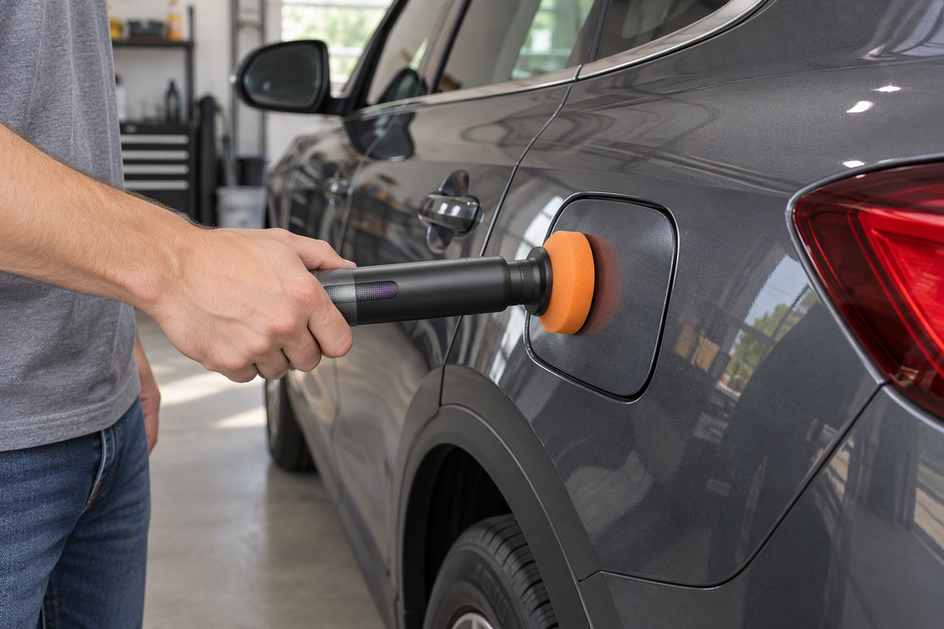 How to Match a Polishing Pad and Compound for a Small Paint Correction
Pair pads and compounds for localized paint correction: set the goal, confirm product guidance, then read a test...
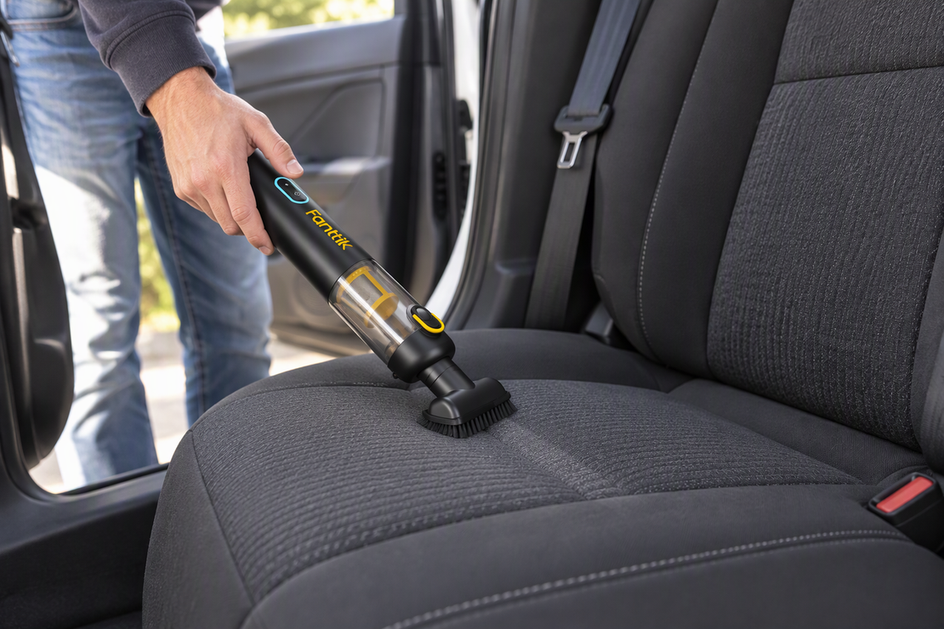 How to Vacuum Pet Hair From Car Upholstery Without Abrading It
A gentle, conditional method for vacuuming pet hair off car seats, plus what to do when embedded hair...
Leave a comment
This site is protected by hCaptcha and the hCaptcha Privacy Policy and Terms of Service apply.