












































Use a car vacuum when dry debris needs to leave the car. Use a blower only when loose material can go somewhere open that you can easily clean. A vacuum collects debris. A blower just moves it to a new place.

Before you pick a tool, name where the debris will land. If you can't name a safe, easy-to-clean spot, or the dust could reach trim gaps, vents, or electronics, use the vacuum.
Choose by Where the Debris Should Go
Vacuum Debris That Should Leave the Cabin
Capture is the better choice when the material is stuck or needs to be gone for good. Crumbs in a seat seam, grit in carpet, and sand around seat rails have no clear way out. Blowing them only moves them deeper or spreads them across the cabin. A vacuum removes them, and a narrow crevice nozzle helps it reach tight gaps between seats and trim.
The car vacuum vs blower question is really about what happens after the tool is off. With a vacuum, the debris is in the bin. If you need help choosing one, our guide to cordless vacuum features for detailing explains how suction, attachments, and reach fit seats, mats, and narrow gaps. You can also compare our cordless car vacuums by size and attachments.
Blow Only Loose Debris With a Clear Destination
A blower can work for loose, larger debris on an open surface. It only makes sense if you can push that debris out a door or onto a mat you will shake out later. Here's a simple test. Dry grass on an open floor mat can be pushed out the door. Crumbs packed into a seat seam can't go anywhere useful, so vacuum them.

The limit comes from what blowing does inside a car. Consumer Reports notes that a leaf blower moves debris rather than collecting it, and it can drive dust deep into interior crevices. The same discussion warns that dust and dirt can get lodged in instrument panels or air vents, and that small bits of dirt could damage sensitive electronics in newer cars. So don't aim airflow toward the dash, vents, screens, or trim seams. If the debris would end up somewhere you'll have to clean again, switch to the vacuum.
For fine dust stuck in tight spots, our article on car vacuum vs air duster explains when air can loosen dust that a vacuum then picks up. To keep debris from building up again, set a regular car vacuuming schedule.
FAQs
Do you still need to vacuum after blowing out grass or leaves?
Yes. Consumer Reports' example is using a low setting to clear larger grass or leaves, followed by vacuuming with a vacuum that can pick up dirt, gravel, and sand. Blowing gets rid of the bulk. Vacuuming catches what's left.
Does a low setting make a leaf blower okay for all dry debris?
No. That low-setting example covered larger grass and leaves only. It doesn't apply to fine dust or grit, which can still be pushed into crevices, panels, or vents. Vacuum fine material instead.
Can I use a gas-powered leaf blower inside a car or closed garage?
No. Consumer Reports warns that running a gas-powered blower in an enclosed area like a car or garage risks carbon monoxide poisoning, and it advises using an electric leaf blower instead.
Continue reading
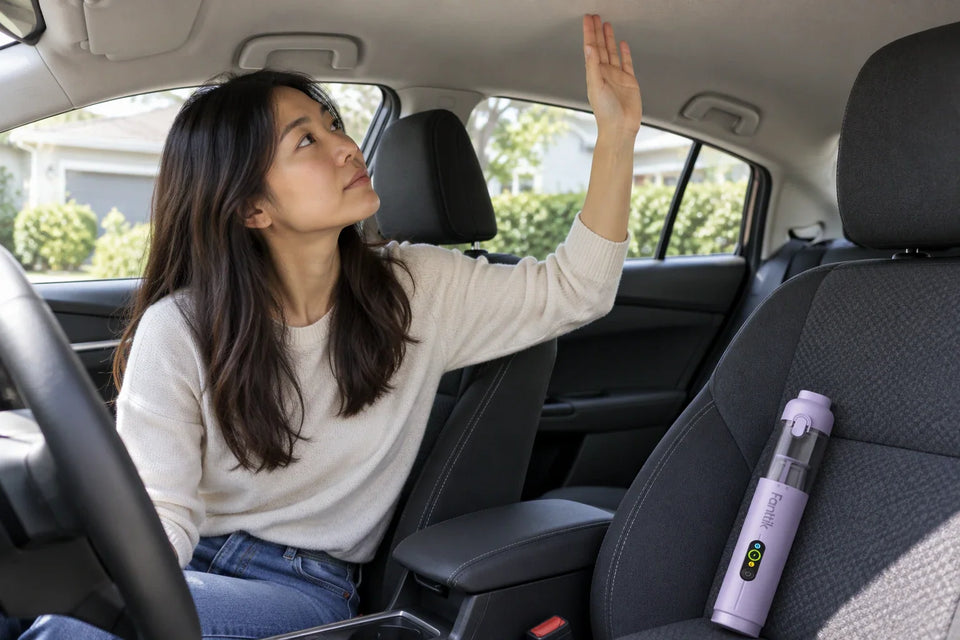 Vacuuming a Car Headliner: Remove Loose Dust Without Pulling the Fabric
How to lift loose dust off a car's roof lining with almost no contact, the signs that should...
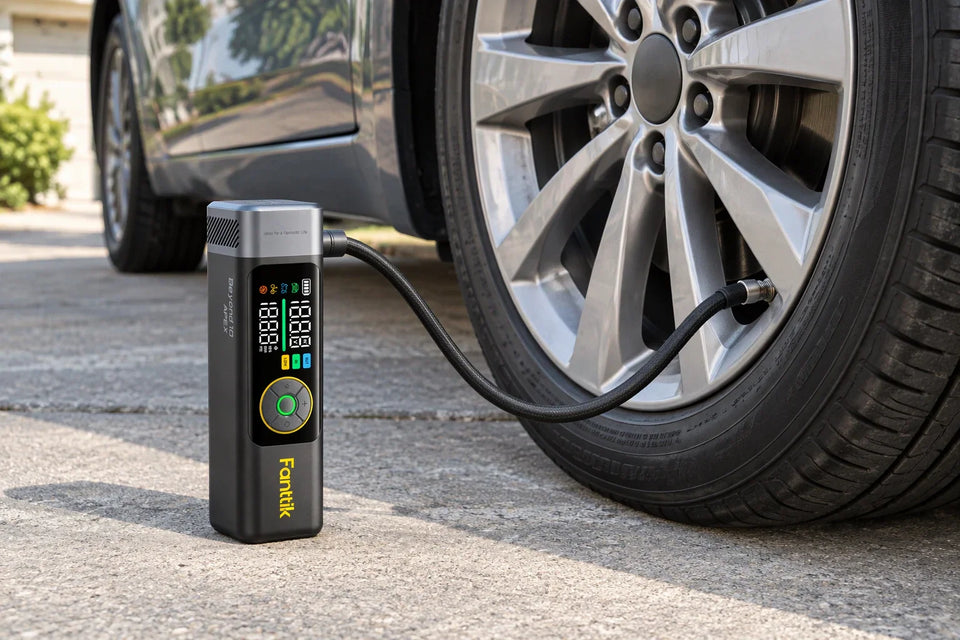 Tire Inflator + Jump Starter: Buy Separate Tools or a Combo?
Compare one combo device with a separate inflator and jump starter by checking your car's jump-start guidance, tire...
Leave a comment
This site is protected by hCaptcha and the hCaptcha Privacy Policy and Terms of Service apply.