










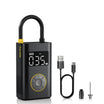
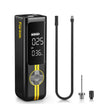

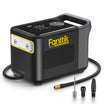

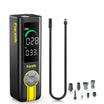













Check a stored jump starter's charge level about once a month, and plan to recharge it at least every three months if you haven't used it. When figuring out how often should you charge a portable car jump starter, this routine provides a practical planning rule rather than a fixed number for every pack: your model's manual can set a shorter or longer interval, and that instruction always wins.
If you do not have the manual on hand, the monthly check and three-month recharge give you a safe default until you find it.
How Often Should You Charge a Portable Jump Starter?
A stored jump starter needs a light monthly check and a recharge on a longer cycle, not daily attention. Knowing how often to charge a jump starter depends on how the pack sits between uses and what its documentation specifies.
When It Has Been Sitting Unused
If the jump starter has gone untouched for weeks, glance at its charge display about once a month. Lithium-ion packs lose some charge naturally while sitting idle, so a monthly look catches a slow drop before it becomes a problem. Plan an actual recharge every three months as a fallback reminder when your model's manual doesn't give its own interval, and treat that as a calendar action to take, not a manufacturer requirement.
When the Manual Gives a Different Interval
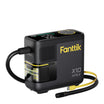
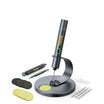
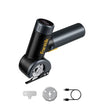
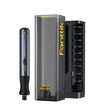
Your exact model's manual is the final word on charging frequency. Some manuals call for monthly maintenance charging, while others space it out to every three to six months, so don't assume your pack follows another brand's schedule. Checking documentation for a unit like the Fanttik T8 APEX jump starter will tell you exactly what its display and charge cycle expect, and the same principle applies to whatever pack you actually own.
What Changes After You Use the Jump Starter?
Using the jump starter for a jump start or to charge a phone changes when it needs power again. Treat these two situations differently before you put the pack away.

After a Jump Start
A jump start pulls a large burst of energy, so recharge the pack before you store it again. Plug it in until it reaches the model's documented full or ready indication, then let it finish before disconnecting. Returning a partially charged pack to a drawer or trunk right after a jump start is the easiest way to find it dead the next time you need it.
After USB or Device Charging
Charging a phone or tablet from the built-in USB port draws power too, but a short session doesn't automatically call for a full recharge. Check the indicator afterward, and top off the pack only if the reading has dropped meaningfully. Because indicator systems and ready levels vary across jump starters, match this check to your specific model's manual rather than a general rule.
How Do You Know It Is Ready for an Emergency?
A jump starter is ready when its own indicator shows a full or ready charge and the unit looks physically sound. There's no single percentage that works the same way across every brand and model.
Use the Indicator the Model Defines
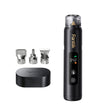
Displays vary widely: some packs use a simple LED bar, others show a percentage, and some use a full-color screen. An 80 percent reading only means something if your model's documentation says it does; treating it as a universal safe number for every jump starter isn't supported. One example: on our T8 APEX, the smart screen shows remaining battery level in real time, but that display convention doesn't carry over to other brands' indicators. Read your own model's guide to know what its number or bar count actually means before you rely on it in an emergency.
Before a Road Trip or Seasonal Storage
Run through a short check before a trip or before putting the pack away for the season:
- Look at the charge display and note the reading.
- Inspect the case, clamps, cable, and ports for cracks, corrosion, or fraying.
- Recharge if the level sits below your model's documented ready point.
- Confirm the pack is within the conditions its manual allows before you count on it.
If you notice reduced runtime, unusual heat, or a swollen case during this check, treat those as signs of battery failure rather than something a recharge will fix.
How Should You Store a Jump Starter Through Hot and Cold Weather?
A jump starter stored in a temperature-controlled space is easier to keep ready than one left in a vehicle. Extreme heat or cold inside a parked car can push the pack past what its manual allows for charging or storage.
Vehicle Storage Versus Controlled Storage
Keeping the pack in your trunk is convenient, but a closed vehicle can swing far hotter or colder than a garage or closet, especially in summer sun or a hard freeze. A model's published working-temperature range describes when it operates, not necessarily when it's safe to charge or store long-term; our T8 APEX, for example, lists a 5°F to 113°F working range, and that figure applies to that model only, not to jump starters generally. When you have the choice, a temperature-controlled location is the simpler default for extended storage.
Seasonal Checkpoints
Build three checkpoints into your seasonal routine:
- Before summer or winter storage, inspect the pack and check its indicator.
- After it has been through prolonged heat or a hard freeze, let it return to a normal indoor temperature before charging it.
- Recheck the charge level again shortly before a road trip, giving yourself time to recharge if needed.
What Is the Safe Charging and Storage Routine?
A short routine keeps a jump starter ready without turning maintenance into a chore. Run these steps together instead of treating charging and storage as separate tasks.

The Maintenance Routine
- Inspect the case, cables, and connectors for damage before connecting anything.
- Use the charger and cable supplied with, or approved for, your specific model.
- Charge only within the temperature range your model's manual allows.
- Confirm the documented full or ready indication before disconnecting.
- Store the pack in a suitable location and set your next check or recharge reminder.
Battery and charger systems work safely only when the charging equipment, thermal protection, and charge-discharge limits are matched to the specific product; reported hazards can occur during use, storage, or charging, which is why sticking with the charger and instructions built for your exact model matters. This battery charging and storage safety guidance outlines why compatible, tested charging systems reduce those risks.
When to Stop
Stop charging and take the pack out of service if you see swelling, cracking, leaking, or if it becomes unusually hot during charging. Don't try to open it, force a charge, or use a different charger to work around the problem; a damaged lithium-ion pack needs replacement, not a repair attempt.
FAQs
Does charging a phone from a jump starter change when I should recharge it?
Using the power-bank function draws down the pack, but a short session doesn't automatically require a full recharge. Check the indicator afterward and recharge only if the reading has dropped meaningfully, following your model's after-use guidance.
Is an 80% reading enough to jump-start a car?
An 80% display, bar count, or percentage only means what your exact model's documentation says it means. There's no evidence that one percentage works the same way across every jump starter, so use your model's own readiness guidance instead of treating 80% as a universal target.
What should I do if my jump starter has been left in a hot or freezing car?
Let the pack return to a normal, model-permitted temperature before charging it or relying on it. Once it's back within that range, check the indicator and inspect the case and cables for any damage from the exposure before you count on it in an emergency.

Leave a comment
This site is protected by hCaptcha and the hCaptcha Privacy Policy and Terms of Service apply.