































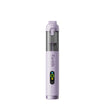






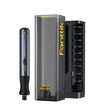
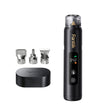


Stubborn pet hair comes out of car carpet fastest when you combine two actions: loosen it with controlled rubber-bristle friction, then vacuum it away before it resettles into the fibers. Neither step works well alone. Suction by itself often leaves hair wrapped around carpet fibers, while brushing without immediate vacuuming just scatters loose hair back onto the pile.
Work in small sections, test any unfamiliar rubber-bristle tool first, and ease off if the carpet starts to change color, texture, or feel. That single check protects the carpet more than adding extra pressure ever will.
Key Takeaways
- Loosen hair in small sections with a suitable rubber-bristle tool, then vacuum immediately so it doesn't resettle.
- Rubber bristles supply the friction that releases entwined hair; vacuum airflow and suction then carry it away, so judge both together instead of suction alone.
- Adjust contact for embedded hair, seams and edges, and removable mats, since each needs a different level of pressure or attachment.
- Pick a vacuum for attachment fit and airflow, not just a high suction number.
- Stop or switch to gentler contact if fibers pull, the pile changes, or the backing shifts.
How to Remove Stubborn Pet Hair from Car Carpet
Clear loose debris first, then work the carpet in small sections so the vacuum can collect hair as soon as it releases. This sequence keeps the carpet from getting brushed more than it needs to be.
- Take out any removable floor mats and vacuum loose hair and grit from the exposed carpet before you touch it with a brush.
- Pick a rubber-bristle tool that's designed for fabric or carpet contact, and check that its bristles feel pliable rather than stiff.
- Test the tool on a small, hidden section of carpet to see how the fibers respond before working a visible area.
- Brush one small section at a time with light, controlled strokes, just enough to lift entwined hair away from the fibers.
- Vacuum that section immediately after brushing it, using an attachment that sits flush against the carpet, so the released hair doesn't resettle.
- Move to the next section and repeat. If hair remains after a couple of passes on the same spot, stop increasing pressure and reassess the tool or the technique instead.
This sequence works for footwells, cargo carpet, and mats as a starting point. The scenario-specific adjustments below cover what changes when hair is deeply embedded or concentrated in tight spots.
Why Rubber Bristles and Vacuum Suction Work Together
Vacuum suction pulls hair that's loose enough to lift straight off the carpet, but it often can't grab hair that's wrapped around individual fibers. Rubber-bristle contact disturbs that bond by creating friction against the pile, which loosens the hair so the vacuum has something to actually collect.
That means the two tools aren't interchangeable and they don't do the same job. A brush without a vacuum just relocates hair around the carpet. A vacuum without enough contact leaves wrapped hair behind no matter how strong its suction rating is. A high suction number also isn't the same thing as airflow, attachment fit, or debris handling, and none of those specifications by itself predicts how well a setup will clear pet hair from a specific carpet. Judging the combination, rather than one spec, is what determines the result.

How to Adapt the Method for Embedded Hair, Seams, and Mats
The right amount of contact and access changes with where the hair sits. Use the base sequence above as your starting point, then adjust for the specific area.
Open Carpet
On broad, exposed carpet without visible damage, the standard sequence works as written. Keep sections small and visible, use moderate rather than heavy contact, and vacuum each section right after brushing it instead of sweeping the whole floor first.
Embedded Hair
When hair is wrapped tightly around fibers, shorten the working area even further and make only one or two additional controlled passes. If a second pass doesn't lift more hair, that's a sign to change the angle or tool rather than push harder, since added pressure doesn't reliably improve release and can affect the surface instead.
Edges, Seams, and Corners
Hair collects where carpet meets trim, in seams, and in tight corners that a wide brush head can't reach flat. Use a narrower, compatible attachment or hose position that reaches the recess without forcing the tool against trim, and rely on precise access rather than a wider brush or extra pressure.
Removable Carpeted Mats
Take the mat out of the vehicle and set it on a stable, flat surface so both the pile and the edges are accessible from every side. Clean the mat and the exposed footwell carpet separately, since access and hair concentration differ between the two, then reinstall the mat once both are done.
What to Look for in a Car Vacuum Cleaner for Pet Hair
Start with attachment fit rather than the suction figure on the box. A brush or nozzle that sits flush against carpet and reaches footwells, seams, and mats does more for pet hair removal than a higher peak suction rating on a tool that can't reach the area cleanly.
Suction and airflow are related but separate measurements, and neither one by itself establishes total cleaning performance; how the attachment contacts the carpet and how well the vacuum maintains airflow through its filter and debris path also matter. Check that the debris bin is easy to empty, that filters or airflow paths are simple to clean between uses, and that the vacuum has enough practical runtime and reach for cargo areas and footwells in your vehicle. A generic pet-hair brush attachment isn't automatically the same as a documented rubber-bristle tool, so confirm what an attachment is actually designed for before relying on it for embedded hair. Reviewing car vacuum use tips can help you match attachments and habits to the areas you clean most.
When to Stop and Change the Tool
Test any unfamiliar rubber-bristle tool on a small, hidden section before using it on visible carpet, and keep working only while hair releases without a visible change to the surface. If fibers start pulling loose, the pile visibly flattens or changes texture, or the backing shifts under the brush, stop and switch to gentler vacuum-only contact instead of continuing to brush.
This mirrors GM vehicle carpet-care guidance, which tells technicians to vacuum loose dirt before any fabric cleaning and to use a soft, surface-appropriate brush rather than a stiff one that can damage interior surfaces. That guidance is scoped to the vehicles and model years it covers, but the underlying idea, remove loose debris first and keep brush contact gentle, is a reasonable conservative habit for other vehicles too.
FAQs
Is it safe to use rubber bristles on vehicle carpet that is already fraying?
No. Brushing cannot restore loosened pile or torn backing, and extra friction accelerates damage on an already worn surface. If carpet fibers are actively unraveling, stop all mechanical brushing and rely solely on light, flush vacuum suction to lift untangled surface hair.
How do you clean pet hair and road grit out of the rubber bristles during use?
Lifted strands and grit quickly pack between flexible bristles and reduce friction against the carpet pile. Periodically pass the bare vacuum nozzle directly over the rubber teeth to clear loose hair, or rinse and dry the tool if road grime accumulates before resuming passes.
Why does a vacuum with strong suction leave entwined pet hair behind on low-pile car carpet?
Automotive carpet uses tightly woven or needle-punched synthetic fibers that trap barbed pet hair mechanically. High vacuum suction provides vertical airflow lift, but it cannot overcome that physical weave without lateral mechanical agitation to pry each strand free first.
Continue reading
 Spare Tire Pressure Maintenance: How to Check and Inflate Space-Saver Donut Tires
A complete walkthrough for locating your donut spare's correct PSI, verifying cold pressure, inflating safely with a portable...
Spare Tire Pressure Maintenance: How to Check and Inflate Space-Saver Donut Tires
A complete walkthrough for locating your donut spare's correct PSI, verifying cold pressure, inflating safely with a portable...

Leave a comment
This site is protected by hCaptcha and the hCaptcha Privacy Policy and Terms of Service apply.