








































Choose an air duster based on the cleanup job, not on the biggest number on the box. On electronics, use one only when the device's own instructions and the duster's instructions both allow that method. If the dust may contain silica, use a HEPA-filtered vacuum or wet cleaning unless a ventilation system captures the dust cloud.

For ordinary loose shop debris, no single airflow or pressure rating tells you whether a duster or a vacuum will do the job better. Good air duster selection starts with naming the target and the material. After that, compare only the specs the manufacturer actually publishes.
How to Choose: Match the Task to the Cleanup Method
Before you compare specs, sort your job into one of these three cases. Each one leads to a different kind of choice, and the first two can rule out an air duster before its specs matter at all.
- PCs and other electronics: Two sets of instructions need to agree. Go ahead only if the target device's instructions and your exact duster's instructions both allow the method you plan to use. If either one rules it out, use the method the device maker names instead.
- Silica-related cleanup: OSHA's silica guidance on compressed air says not to use compressed air or blowers to clean surfaces, clothing, or filters unless a ventilation system effectively captures the dust cloud, because blowing can increase silica exposure. Without that capture, OSHA says to clean with a HEPA-filter equipped vacuum or by wet methods. Stop and switch methods at this point instead of looking for a more powerful duster.
- Ordinary, non-silica shop debris: No published airflow, pressure, or speed figure marks the point where a duster beats a vacuum. Decide by the debris, the surface, and how easy it is to reach, as covered in the workshop section below.
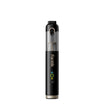
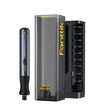
Evaluating dedicated cordless options like the Fanttik B11 Pro Electric Air Duster or Fanttik B10 Pro Electric Air Duster comes down to published specs once you verify the task permits blowers, but a high maximum rating never overrides the cleanup restrictions above.
Which Air-Duster Features Matter for Electronics?
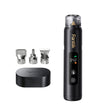
For electronics, device instructions decide whether you can use a blower like the Fanttik B8 Ace Electric Air Duster, and published specs only describe the tool. Settle the first question before you read the second.
Start with the device's permitted cleaning method
Look up the cleaning steps for your exact device, then read the manual for your exact duster. Dell's computer vent-cleaning instructions are a clear example. They tell you to turn off the computer, use a can of compressed air on the vents, and not use vacuum cleaners or blowers.
That instruction names one specific tool. It doesn't approve an electric air duster, and it doesn't cover other brands' devices. If your device's guidance reads the same way, follow the method it names. If the duster's manual limits where the tool can be used, that limit applies even when the device allows air cleaning.
Glossy car screens are another place where the maker's limits set the method. Our guide to cleaning piano black trim and touchscreens uses a cordless car vacuum for grit and a soft cloth for the surface, and it follows the manufacturer's limits on cleaners.
Compare specifications without treating one as a verdict
Once the method is allowed, write down each model's published figures in their original units and compare them field by field. If a field is missing, treat it as unknown. Don't estimate it from another number.
| Spec field | What it describes | What it doesn't tell you |
|---|---|---|
| Airflow | Air output, sometimes listed as air speed in m/s | Pressure or cleaning results |
| Pressure | Force of the air stream | Airflow volume or device safety |
| Motor speed (RPM) | How fast the motor spins | Actual air output |
| Speed settings | Number of control steps | Which step suits your device |
| Battery capacity (mAh) | Stored charge | Runtime at a given setting |
| Runtime | Stated use time per charge | Runtime at every speed |
No independent source links any airflow, pressure, speed, nozzle, or runtime value to a safe or effective result on electronics. So use the table to line up models against each other. It can't tell you whether a model will work on a particular device.
What Changes When You Clean Workshop Dust?
Shop dust falls into two cases: debris that has already settled, and dust being made while you cut or sand. The right guidance depends on which one you're dealing with.
Routine loose workshop debris
For sawdust on a bench, chips around a vise, or grit in a tool tray, there is no set cutoff for debris amount, surface, or reach that decides between a duster and a vacuum. A large maximum airflow figure doesn't settle it either. Look at the job itself: what the debris is, where it will land once it's airborne, and whether you can reach it with a nozzle or a vacuum tool. If the material could give off silica dust, the rule in the first section applies no matter which tool you prefer.
If a vacuum looks like the better tool for grit and chips, our Slim V8 and V10 vacuum comparison compares suction, runtime, weight, and price on two cordless models.
Wood dust generated during woodworking
OSHA's woodworking guidance on wood dust names local exhaust ventilation at or near the source as the primary control for dust created during woodworking. In practice, that means collecting the dust at the saw, sander, or router as it's made.
A handheld duster doesn't take the place of that capture. OSHA's guidance covers controlling dust as it's generated. It doesn't rank air dusters or say how to clean up dust that has already settled. So keep source capture as the main plan while you cut, and choose your cleanup tool separately for what's left afterward.
FAQs
Does OSHA's compressed-air warning apply to all workshop dust?
No. The fact sheet covers silica-related work, and its warning against compressed air and blowers is tied to silica exposure. For ordinary non-silica debris, it doesn't set a rule for or against a duster. If the material you're cutting or drilling could produce silica dust, treat the cleanup under that guidance.
Should I turn off a computer before cleaning its vents?
For Dell computers, yes. Dell's vent-cleaning steps start with turning off the computer. For other devices, use the power-down and cleaning steps in that device's own manual, since one brand's instructions don't carry over to another brand's hardware.
Does a dust collector at my saw handle all the cleanup?
Not by itself. OSHA's woodworking guidance treats local exhaust at the source as the primary control for dust while it's being made. It doesn't address settled dust on benches, floors, or tools. Plan a separate cleanup step, and base your air duster selection for that step on the debris and surfaces involved.
Continue reading
 How to Choose a Bike Pump for Your Riding Needs
A practical guide to deciding between a home pump, a carried pump, or both, and checking plunger size,...
How to Choose a Bike Pump for Your Riding Needs
A practical guide to deciding between a home pump, a carried pump, or both, and checking plunger size,...
 How to Use a Detail Sander in Inside Corners
A practical proceed-or-switch guide for detail sanders in tight wood corners, covering pad reach, model-specific setup, surface checks,...
How to Use a Detail Sander in Inside Corners
A practical proceed-or-switch guide for detail sanders in tight wood corners, covering pad reach, model-specific setup, surface checks,...
Leave a comment
This site is protected by hCaptcha and the hCaptcha Privacy Policy and Terms of Service apply.