










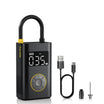
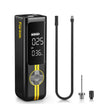


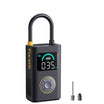
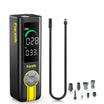

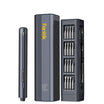
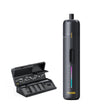

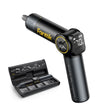






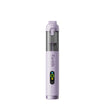


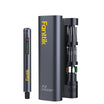
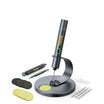
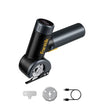

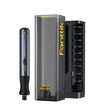
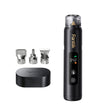
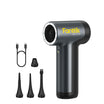
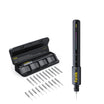
Electric rotary scissors make sense for repeated cutting of cardboard or fabric when the exact model documents that material and thickness, since they can cut down on the squeezing and wrist motion that add up over many cuts. Manual shears remain the simpler choice for occasional work, quiet cutting, or projects where close control matters more than cutting repetition. Leather is the tightest call: treat it as a fit only when a specific model documents that leather type and thickness, not as a given for the whole electric scissors category.
Two specs get misread often: RPM and self-sharpening. Neither one, by itself, tells you whether a tool can handle your material.
Key Takeaways
- Match material and thickness documentation before comparing RPM; a higher RPM number does not prove faster or cleaner cuts.
- Self-sharpening reduces one maintenance step on the model that documents it, but it does not remove the need to inspect and replace blades.
- Repeated cardboard or fabric cutting is where electric rotary scissors tend to earn their keep; occasional cuts often suit manual shears better.
- Leather needs its own documented thickness and material match; a cardboard or fabric rating doesn't carry over.
- Powered tools trade fewer manual squeezes for added weight, charging, and blade maintenance, so weigh the whole workflow, not just hand effort.
Electric Rotary Scissors or Manual Shears: Which Fits Your Job?
Repeated cutting favors electric rotary scissors when the tool's documented material and thickness match your job. Occasional or precision-led work often favors manual shears for their simplicity and control.
Choose Electric Rotary Scissors When Repeated Work Is the Problem
If you're breaking down boxes or cutting fabric all day, reducing the number of manual squeezes can matter. Electric rotary scissors are worth considering only when the exact model's documented material and thickness limits cover your job, since a broader category label isn't proof of fit. Factor in more than motor speed: battery charge cycles, blade replacement, and setup time all add to the real cost of switching. Checking a cordless rotary scissors listing is a fast way to see what materials and thickness a specific model documents before you commit.
Choose Manual Shears When Simplicity and Control Lead
Manual shears stay the practical pick when your cutting is occasional, quiet, or needs tight control near curves and templates. They need no charging, no blade replacement schedule, and no battery life to track, which keeps the workflow simple for light or infrequent jobs. Not every manual shear performs the same: blade steel, pivot tension, and handle size change how much force and precision you get, so a light craft shear and a heavy-duty shop shear aren't interchangeable. If your task is mostly short, controlled cuts, that simplicity is often worth more than any powered convenience.
Does RPM Predict Cutting Performance?
RPM is a motor-speed number, not a cutting-speed or material-capability guarantee. Use it to compare motors, then look at blade design, material limits, and real-world evidence before judging performance.
RPM Is Not the Same as Cutting Speed
A maximum RPM figure describes how fast the motor spins unless the manufacturer states a different test condition. It says nothing on its own about inches cut per minute, the force behind each cut, or the thickest material the tool can handle. One current model, for example, lists a documented maximum of 600 RPM alongside a separate cutting-depth spec of about 0.39 inch, which shows why the two numbers get reported separately rather than combined into one performance claim. Treat RPM as one input among several, not the deciding factor.
What to Compare Instead
Before comparing RPM figures, check a cordless scissors spec sheet to see how a manufacturer separates motor speed from cut depth and material scenarios, then weigh these:
- Blade design and cutting direction: single or dual-direction blades cut differently through layered or dense material.
- Documented material and thickness limits: the number that actually tells you what the tool is built to handle.
- Evidence under load or in the intended material: a spec-sheet claim is not the same as a demonstrated result in your material.
- Control and workpiece stability: how easily you can guide the tool along a line or curve without slipping.
What Does Self-Sharpening Actually Change?
Self-sharpening can reduce one maintenance task on the model that documents it, but it does not prove the blade handles every material or lasts indefinitely. Treat it as an edge-maintenance convenience, not a substitute for checking blade condition.

Self-Sharpening Is a Maintenance Claim, Not a Capacity Claim
A self-sharpening mechanism, when a manufacturer documents one, is designed to keep an edge usable without a separate manual sharpening step. That's a maintenance convenience, not proof of the material range, thickness limit, or service life a blade can handle. This claim is also model-specific: one manufacturer's self-sharpening system doesn't tell you anything about a different model, even from the same category. Manual shears carry a related expectation. OSHA's guidance on cuts and lacerations recommends keeping scissors sharp and removing damaged ones from service, regardless of whether a powered alternative claims to sharpen itself.
Questions That Still Matter
Before relying on any self-sharpening claim, check what replacement rotary blades are documented as compatible with your exact model, then answer these:
- Which replacement blades are documented as compatible with your exact model?
- What signs, like dulling, chipping, or uneven cuts, indicate the blade needs replacing?
- Does the self-sharpening mechanism apply to every blade the tool ships with, or only one?
- What does the exact manual say about inspection intervals and replacement?
Are Electric Rotary Scissors a Good Fit for Cardboard?
Electric rotary scissors fit repeated cardboard breakdown when the exact model documents that board type and thickness. For occasional light breakdown, the setup and maintenance may not be worth it.
For Repeated Box and Packaging Breakdown
When you're breaking down many boxes a shift or a day, a documented cardboard rating matters more than motor speed. Battery charge state, a stable work surface, and control over the cutting path all stay part of the job regardless of how the tool is powered. If the model's listed material and thickness limits cover your board construction, repeated breakdown is where reduced hand motion is most likely to matter.
When Cardboard Is Not a Fit
Don't push a tool past board construction or thickness it doesn't document, since going beyond a stated limit risks a poor cut or blade damage. For occasional or single-box breakdown, the setup, charging, and blade care that come with a powered tool may cost more time than they save. Manual shears or a utility knife may be the simpler choice when cardboard cutting is infrequent.
Are Electric Rotary Scissors a Good Fit for Fabric?
Electric rotary scissors can suit fabric cutting when the model documents that fabric compatibility and the cut stays mostly straight and repeated. Curved, templated, or precision work often still favors manual shears.
For Repeated Straight Fabric Cuts
High-repetition, mostly straight fabric cutting, like breaking down bolts of fabric into panels, is where a documented electric rotary-scissor fabric rating is most useful. Keep the fabric stable and check that the blade design matches the fabric weight and layer count you're cutting; a blade suited to light single-layer cotton isn't automatically suited to heavier or multi-layer material.
For Templates, Curves, and Precision Work
When a project depends on following a template line, cutting tight curves, or making small precise notches, manual shears often keep more control in your hand than a powered tool does. Powered operation doesn't automatically improve accuracy, and the added weight or vibration of a motorized tool can make fine control harder, not easier, on detailed cuts.
Can Electric Rotary Scissors Cut Leather Reliably?
Electric rotary scissors are suitable for leather only when the exact model documents that leather type and thickness. Without that documentation, the material limit is unresolved and the tool isn't a proven fit.
Use Documented Leather Limits, Not a Category Assumption
Leather thickness and firmness vary widely, from thin garment leather to heavier tooling leather, and a rating for one doesn't carry over to the other. A model that lists leather as a documented scenario, alongside a specific cutting-depth figure, gives you something concrete to check against your project. A cardboard or fabric rating on the same tool tells you nothing about its leather capability; each material needs its own documented match.
When Manual Shears or Another Tool Is Safer for the Job
Skip the powered option when the leather thickness isn't listed, when the workpiece shifts or slides during the cut, or when edge precision matters more than cutting speed. Utility knives solve a different problem, mainly scoring and controlled straight cuts, and their operating guidance doesn't transfer to rotary scissors. When you're unsure about a specific leather piece, a hand tool with a documented edge and full manual control remains the more predictable choice.
When Does Lower Hand Effort Justify a Powered Tool?
Lower hand effort justifies a powered tool when repeated force and motion dominate the task and the tool's own weight, grip, and maintenance don't outweigh that benefit. Count the actual manual work being removed before assuming powered is easier.
Count the Manual Work You Are Actually Removing
Repeated manual scissor work can involve grip force, awkward wrist postures, and repeated hand motion over a shift, according to OSHA's ergonomics guidance for scissor work. The more your task matches that pattern, meaning frequent squeezes over a long session, the more a powered tool's reduced actuation may help. Selecting the right tool for a manual task also means weighing the actual force, repetition, and body positioning required, not just the tool category, per NIOSH's guide to selecting hand tools.
Powered Scissors Can Add a Different Burden
Powered tools don't remove every ergonomic demand. Tool weight, grip shape, handle orientation, vibration, charging routine, and blade maintenance still factor into the workday, and OSHA's guidance on using powered tools notes that poorly maintained cutting tools can increase vibration and the force needed to use them. Reduced hand effort is a task consideration, not a guaranteed reduction in strain or injury risk. If the added weight and upkeep of a powered tool would outweigh the manual motion it saves, manual shears may still be the lower-burden choice.
What Handling Limits Should Change Your Choice?
Secure the material and stay within the tool's documented operating limits; stop if the workpiece shifts, binds, or needs more force than those limits allow. Utility-knife guidance doesn't carry over to rotary scissors.
Handling Boundaries for Powered Rotary Scissors
- Secure and position the material before you start cutting, so it can't shift into the cutting path partway through.
- Keep the cutting path controlled and stop before forcing the blade through a bind rather than pushing past resistance.
- Stop immediately if the workpiece shifts, the blade's behavior changes, or the cut needs more force than the tool's documented operating conditions allow.
Why Utility Knives Remain a Separate Category
A utility knife solves a different problem: scoring, controlled straight cuts, or reaching tight corners that a rotary blade can't access. Its operating and safety guidance is built around a different blade geometry and grip, so it shouldn't be applied to rotary scissors without direct evidence that it transfers. Treat the two as separate tool categories even when they compete for the same cardboard or leather job.

Which Model Facts Should You Verify Before Buying?
Verify exact material and thickness first, then blade compatibility, RPM definition, battery and runtime, and maintenance limits, in that order. A missing fact stays unproven rather than assumed.
Verify Fit in This Order
- Exact material and thickness: confirm the model documents your specific cardboard, fabric, or leather, not just a general category.
- Blade design and replacement compatibility: check whether replacement blades are documented for your exact model before assuming they'll fit.
- RPM definition and performance conditions: find out whether the listed speed is a no-load figure or tested under a stated condition.
- Battery, runtime, and charging: confirm how long a charge lasts for your workload and how long a full charge takes.
- Maintenance and handling limits: read the exact manual's care and stop conditions rather than assuming they match a similar-looking tool.
If you're comparing cordless electric rotary scissors for cutting cardboard and fabric, running through this order first avoids buying on RPM alone.
Use Model Facts as Boundaries, Not Promises
A stated material scenario or a maximum cut depth describes what a manufacturer has documented, not a guarantee across every construction of that material. Don't assume a blade, battery, or maintenance routine from one model transfers to another, even within the same product line, since compatibility is usually model-specific unless the manufacturer says otherwise.
FAQs
Does self-sharpening mean electric scissors never need blade maintenance?
No. Self-sharpening is a maintenance feature on the specific model that documents it, and it reduces one task, not every task. You still need to check for chips, dulling, or damage and follow the exact model's blade replacement and inspection instructions.
Can electric rotary scissors cut any thickness of leather?
No. Leather thickness and firmness vary too much for a blanket answer. Use only a model's documented leather type and thickness limit, and treat any leather outside that documented range as unproven for that tool.
Does higher RPM always mean faster cutting?
Not by itself. RPM describes motor speed unless the source states a different test condition, and it doesn't account for blade design, material load, or documented thickness limits. Compare those factors alongside RPM rather than judging speed from RPM alone.
Choose by Material, Workload, and Control
For repeated cardboard or fabric cutting, electric rotary scissors are worth using once you confirm the exact model documents your material and thickness. For occasional cuts or projects where curves and templates need close control, manual shears remain the simpler and more predictable choice. Leather needs its own documented match, so do not use a powered tool unless the specific model states a compatible type and thickness.
Whichever way you lean, verify the exact model's documented material, thickness, blade compatibility, and handling limits before you buy, rather than deciding from a single spec like RPM.

Leave a comment
This site is protected by hCaptcha and the hCaptcha Privacy Policy and Terms of Service apply.