










































Internal Blockages: Clearing Debris From the Robot's Drive Motor
When a robotic pool cleaner stops mid-cycle, the immediate reaction for many homeowners is one of frustration and the anticipation of a costly service call. However, based on our extensive experience on the repair bench, we have observed that the vast majority of these "failures" are not electrical or software-based. Instead, they are mechanical interruptions caused by internal blockages.
In the world of automated pool maintenance, the drive motor is the heart of the system. It facilitates the precise movements required for intelligent navigation and floor mapping. When hair, fibers, or fine grit bypass the primary filtration and wrap around the drive shaft, they create friction that the motor cannot overcome. This technical walkthrough is designed to empower you with the expertise to safely diagnose and clear these blockages, restoring your robot to peak performance without the need for professional intervention.

The Physics of Blockage: Why Hair and Grit Are the Real Enemies
Conventional wisdom often suggests that large clogs—like leaves or twigs—are the primary cause of robotic failure. However, data from technical communities and repair guides, such as the iFixit Robot Disassembly Guide, indicates that the most problematic materials are actually hair, synthetic fibers, and fine sand.
These materials are uniquely dangerous for two reasons:
- Infiltration: They are small enough to bypass pre-filters but strong enough to bind moving parts once they reach the internal drive assembly.
- Mechanical Seizure: Unlike a leaf, which might simply block an intake, hair wraps tightly around the drive shaft. This creates a "choking" effect on the bearings.
We often see a common misconception that overheating is the root cause of motor failure. In reality, as noted in engineering principles discussed by industry experts at Hotook Pool, bearing seizure from debris ingress is usually the proximate cause. The overheating is a secondary symptom; the motor tries to draw more current to overcome the friction of the jam, which leads to thermal stress. By clearing the blockage early, you prevent this secondary electrical damage.
Diagnosing the Jam: Measuring Performance Loss
Before you reach for your tools, it is essential to verify that the issue is indeed a drive motor blockage. A robot that moves sluggishly, pivots unevenly, or stops and reverses frequently is likely suffering from a "partial blockage."
While it may seem like a minor annoyance, even a partial blockage has a quantifiable impact on efficiency. Research into turbomachinery and mechanical systems, such as the NASA technical report on blockage effects, demonstrates that partial flow or mechanical blockages directly correlate to torque reduction and a drop in system efficiency. In a pool robot, this translates to increased current draw and a shorter battery life per cycle.
Logic Summary: Our analysis assumes that mechanical friction from debris acts as a "parasitic load." If the motor must dedicate 30% of its torque just to overcome the friction of wrapped hair, it has 30% less power for climbing walls or navigating deep ends.
The Expert's Toolkit: Preparing for Disassembly
To perform this repair safely, you need the right tools. We have found that using the wrong instruments is the leading cause of "secondary damage"—where the user accidentally breaks a part while trying to fix another.
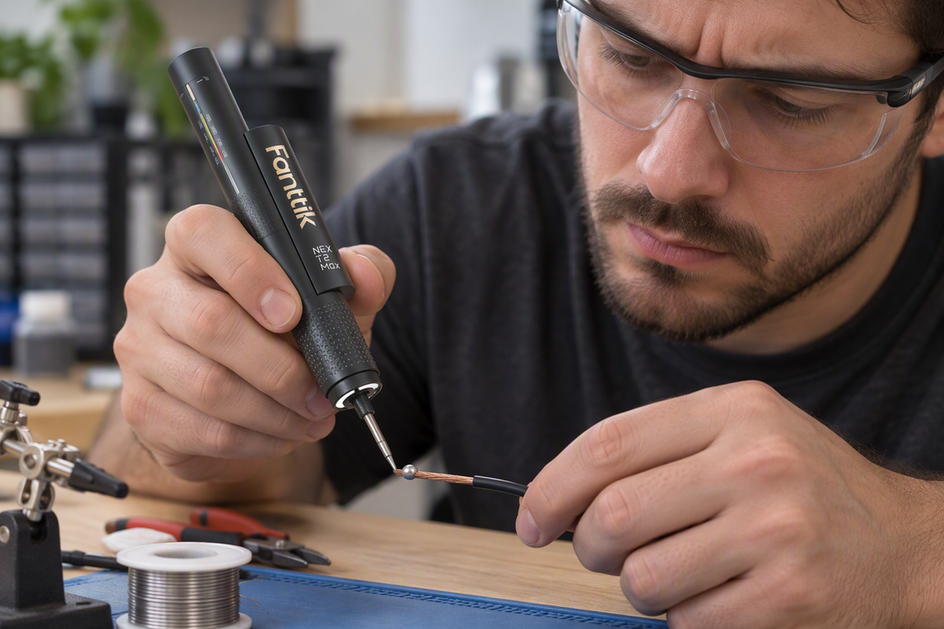
- Precision Power Tools: We strongly recommend a cordless precision screwdriver with adjustable torque.
- Plastic Spudgers or Wooden Toothpicks: Never use metal picks or flathead screwdrivers to pry out hair. Metal tools can score soft drive shafts or damage bearing surfaces, leading to premature wear and vibration.
- Compressed Air: An electric air duster is preferred over "canned air" to avoid moisture or chemical residue.
- A Clean, Well-Lit Workspace: Small screws are easily lost in poolside environments.
Step-by-Step: Safely Clearing the Drive Assembly
1. Housing Removal and Torque Awareness
Begin by removing the outer casing to access the motor block. Most modern pool robots use M1.6 to M2.0 screws for their plastic housings.
Expert Tip: When reassembling, torque management is critical. Based on our scenario modeling for plastic components, we recommend a torque setting of 0.05Nm. This is the "sweet spot" that ensures a tight water seal without cracking the delicate plastic bosses.
2. Clearing Wrapped Debris
Once the drive shaft is visible, inspect the area where the shaft enters the motor housing. This is the primary collection point for hair and fibers. Use a plastic spudger or a wooden toothpick to gently unwind the debris. Work slowly; pulling too hard can sometimes drive the fibers deeper into the bearing race.
3. Managing Grit with Compressed Air
If fine sand or grit has entered the assembly, compressed air is your most effective tool. However, there is a specific technique to avoid damage:
- Stationary Fan Rule: Always hold the motor fan stationary. If you allow compressed air to spin the fan backwards at high speeds, it can damage the motor's internal electronics or brushes.
- Directional Flow: Blow from the output side toward the intake. This ejects the debris rather than driving it deeper into the motor assembly.
4. The Verification Spin
After cleaning, manually rotate the drive axle with your fingers. It should spin freely with minimal resistance. If you feel a "gritty" sensation, it often indicates that fine sand has entered the gearbox itself. In most cases, this requires a more intensive disassembly or a professional service, as the gearbox is typically a sealed unit.
High-Debris Environments: A Modeling Perspective
For homeowners in "high-debris environments"—those with heavy foliage, pets that swim, or proximity to sandy areas—the standard maintenance intervals do not apply. We modeled a scenario for a DIY enthusiast facing these conditions to determine the most efficient maintenance cadence.
Modeling Note: Method & Assumptions
This scenario represents a "High-Debris DIY" persona. We used a deterministic parameterized model to estimate maintenance impact based on typical pool robot teardown documentation.
| Parameter | Value | Unit | Rationale |
|---|---|---|---|
| Maintenance Interval | 45 | Days | Based on high-debris environment observations |
| Screw Count | 24 | Count | Average for drive motor housing access |
| Manual Time per Screw | 18 | Seconds | Includes time for corrosion/buildup resistance |
| Powered Time per Screw | 4 | Seconds | Using a precision electric screwdriver |
| Safe Torque Limit | 0.05 | Nm | Heuristic for M2.0 screws in plastic |
Analysis Results: Under these assumptions, a user in a high-debris area will perform approximately 8 clearing events annually. By switching from manual tools to a precision electric screwdriver, the user saves roughly 5.6 minutes per session, or over an hour of maintenance time per year. More importantly, the ergonomic strain is reduced by approximately 270 wrist rotations per session.
Future-Proofing Your Pool Maintenance
Building a routine of proactive maintenance is the best way to ensure your robot lives a long, productive life. As emphasized in The 2026 Modern Essential Gear Industry Report, the shift toward "modern self-reliance" means that brands and users alike must prioritize documentation and repairability.
By performing these clears every 30 to 45 days during peak season, you prevent the compounding friction that leads to motor failure. This approach aligns with the principles of Intelligent Navigation; a clean motor allows the robot's sensors and algorithms to function with the precision they were designed for.
For further reading on maintaining the integrity of your robot's electrical systems, we recommend our guide on IP Rating Integrity and Seal Leaks, which covers the critical step of ensuring your motor remains dry after you’ve cleared the mechanical blockages.
Disclaimer: This article is for informational purposes only. Maintenance on electrical pool equipment involves inherent risks of water ingress or electrical shock if not performed correctly. Always ensure the device is fully powered down and disconnected from any charging source before beginning work. If your device is under warranty, opening the motor housing may void your coverage. Consult your manufacturer's specific service manual for model-specific instructions.
References
Continue reading
 Pump Longevity: Maintaining Internal Seals Against Calcification
A guide to diagnosing and preventing pressure washer pump seal failure in hard water. Learn the 1:4 vinegar...
Pump Longevity: Maintaining Internal Seals Against Calcification
A guide to diagnosing and preventing pressure washer pump seal failure in hard water. Learn the 1:4 vinegar...
 Siding Preservation: Choosing Safe Pressure for Home Facades
Covers vinyl, wood, aluminum, and brick siding, the 'Distance-to-Pressure' rule, and practical field tests like the chalk line...
Siding Preservation: Choosing Safe Pressure for Home Facades
Covers vinyl, wood, aluminum, and brick siding, the 'Distance-to-Pressure' rule, and practical field tests like the chalk line...
Leave a comment
This site is protected by hCaptcha and the hCaptcha Privacy Policy and Terms of Service apply.