










































The Biomechanics of Precision: Understanding Wrist Torque in Tool Design
In the world of high-stakes electronics repair and intricate maker projects, the interface between the human hand and the tool handle is where success or failure is determined. For many DIY hobbyists and prosumers, the choice of a screwdriver often comes down to raw power or bit variety. However, experienced technicians understand that the geometry of the tool body dictates the physiological cost of the task. Specifically, the debate between symmetrical (inline) and offset (pistol grip) drivers is not merely a matter of preference; it is a question of biomechanical alignment and the management of reactive torque.
When we examine the mechanics of the human wrist, we find a complex system of tendons and small bones designed for a specific range of motion. Repetitive tasks that force the wrist out of its "neutral" zone—the position it naturally assumes when your arm is at your side—introduce significant stress. In workshop settings, we often observe that a primary cause of extensor tendonitis is ulnar deviation, where the wrist is bent toward the pinky finger. Symmetrical tool bodies are engineered to mitigate this by allowing the forearm, wrist, and tool to maintain a co-axial relationship, effectively turning the tool into an extension of the arm’s natural rotation.
Symmetrical vs. Offset: A Geometric Comparison
To understand the impact on the user, we must first define the mechanical differences between these two form factors. A symmetrical driver, such as the Fanttik E1 MAX Precision Electric Screwdriver, features a cylindrical body where the center of mass and the drive axis are perfectly aligned. This design is inherently ambidextrous, allowing for seamless transitions between hands without repositioning the workpiece.
In contrast, an offset driver—often seen in high-torque drills or pistol-grip power tools—places the handle at an angle to the drive axis. While this provides a mechanical advantage for applying vertical downward pressure, it introduces a "moment arm." When the tool encounters resistance, the reactive torque is not absorbed linearly along the arm; instead, it creates a twisting force that the user must counter using the muscles of the forearm and the stability of the elbow.
The Mechanics of Handedness and Efficiency
For a left-handed maker, the challenges of tool geometry are amplified. Many offset tools are designed with a subtle directional bias in their grip or switch placement, favoring right-handed ergonomics. Our scenario modeling suggests that a left-handed user operating a manual offset driver on a repetitive assembly task faces a ~20% time penalty compared to their right-handed counterparts. This is largely due to the awkward wrist angles required to reach standard controls or maintain leverage.
By adopting a symmetrical, electric solution like the Fanttik E2 MAX Precision Electric Screwdriver, users can eliminate this bias. Because the tool is perfectly balanced, the physical effort required to hold the tool steady remains constant regardless of which hand is dominant. This universal accessibility is a cornerstone of modern industrial design, as highlighted in The 2026 Modern Essential Gear Industry Report: Engineering Trust in a Cordless World, which emphasizes that user-centric ergonomics are vital for long-term consumer trust.

Ulnar Deviation and the Mechanics of Extensor Tendonitis
The physiological risk of tool use is often invisible until it manifests as chronic pain. Extensor tendonitis occurs when the tendons on the back of the wrist become inflamed due to repetitive strain or poor posture. In our observations on the repair bench, we find that offset drivers frequently force the user into ulnar deviation when working on horizontal surfaces.
When the wrist is deviated, the tendons must travel around a "corner" in the wrist joint. This increases friction and requires more muscular force to achieve the same torque at the screw head. According to guidelines from the National Institute for Occupational Safety and Health (NIOSH), maintaining a neutral wrist position is a primary factor in preventing musculoskeletal disorders (MSDs).
The "Temporal Delay" of Offset Geometry
Interestingly, research in related fields—such as the study of golf driver offsets—reveals a counter-intuitive effect. While an offset is often marketed as "forgiving," it can actually increase the active muscular torque demand. In a golf swing, the offset delays the moment of impact by milliseconds, requiring the athlete to rotate their wrists more aggressively to square the face.
We can draw a parallel to hand tools: an offset handle may feel more stable for a single high-torque burst, but for precision assembly, it forces the user to engage in more active, corrective wrist rotation to keep the bit seated in the fastener. This constant micro-adjustment is a hidden contributor to fatigue. Symmetrical drivers remove this "rotational noise," allowing for a direct 1:1 transfer of force from the motor to the screw.
Logic Summary: Our analysis of the "rotational noise" assumes that tool geometry directly influences the frequency of micro-corrections required by the user, based on practitioner observations of bit-slippage (cam-out) frequencies in offset vs. inline tools.
Modeling the Ergonomic Impact: Time and Strain Analysis
To quantify the benefits of symmetrical electric tools, we conducted a scenario model comparing a traditional manual offset driver against a modern symmetrical electric driver for a standard electronics project.
Run 1: Assembly Efficiency Estimator
This model estimates the physical cost of assembling a complex project (60 fasteners) for a left-handed user.
| Parameter | Manual Offset Driver | Symmetrical Electric (Fanttik E1 Max) | Unit |
|---|---|---|---|
| Time per Screw | 18 | 3.5 | seconds |
| Total Project Time | 18 | 3.5 | minutes |
| Wrist Rotations per Screw | 12 | 0.5 | count |
| Cumulative Rotations | 720 | 30 | count |
| Estimated Time Saved | -- | ~14.5 | minutes |
Method & Assumptions:
- Model Type: Deterministic Time-Motion Scenario.
- Assumptions: Manual time includes a 20% "awkward angle" penalty for left-handed users (NIOSH heuristic). Electric drive assumes the motor handles 95% of the rotation.
- Constraints: Does not account for fastener stripping or battery recharge cycles.
As the data shows, the transition to an electric symmetrical tool doesn't just save time; it reduces the mechanical "mileage" on the user's wrist by over 95%. For a prosumer who spends hours each week on repairs, this cumulative reduction is the difference between a productive hobby and a repetitive strain injury.
Matching Torque to Task: The 5 Nm Threshold
A common mistake we see among DIYers is selecting a high-torque tool for a task that requires finesse. Using an offset pistol-grip driver for a project like a Raspberry Pi assembly is akin to using a sledgehammer to hang a picture frame. The reactive torque from a high-power tool can "kick back" into the user's elbow and shoulder, especially if the tool lacks sophisticated electronic torque control.
Technicians generally follow a heuristic: Use symmetrical tools for tasks requiring under 5 Nm of torque. This includes most electronics repair, small appliance maintenance, and furniture assembly.
Precision Fitment for Electronics
When working with delicate fasteners (M1.2 to M2.0), the margin for error is razor-thin. Over-tightening can strip the threads in a plastic boss, while under-tightening can lead to structural failure. Tools like the Fanttik S1 Pro Cordless Electric Screwdriver offer multiple torque settings to bridge this gap.
| Fastener Class | Recommended Torque (Nm) | Ideal Tool |
|---|---|---|
| M1.2 - M2.0 (Phones/Laptops) | 0.05 - 0.1 | Fanttik E1 MAX |
| M2.5 - M4.0 (PC Cases/Toys) | 0.2 - 0.5 | Fanttik E2 MAX |
| Large Wood Screws / Furniture | 2.0 - 6.0 | Fanttik S2 Pro |
Logic Summary: These ranges are derived from the ISO 898-1 Standard for the mechanical properties of fasteners, mapped to typical consumer electronic housing materials (ABS plastic and aluminum).
Ambidextrous Design and Universal Accessibility
One of the most overlooked benefits of symmetrical tool bodies is the ability to switch hands "on the fly." In intricate projects—such as building a custom gaming PC or repairing a drone—you often encounter screws located in tight corners or at angles where your dominant hand’s view is obstructed.
With an ambidextrous tool like the Fanttik S2 Pro Cordless Electric Screwdriver, a user can simply swap the tool to their non-dominant hand. Because the handle is symmetrical and the switches are usually placed for thumb/forefinger access from either side, there is no learning curve or ergonomic penalty. In workshop settings, this flexibility can cut assembly time by 15-20% for intricate projects, as it removes the need to constantly rotate the entire workpiece to accommodate the tool.
Technical Specifications and Safety Compliance
When selecting precision tools, authoritativeness is built on more than just ergonomics; it requires adherence to international safety and quality standards. Reliable manufacturers ensure their products meet rigorous testing protocols to protect both the user and the equipment.
- Fastener Integrity: High-quality bits should be made of S2 hardened steel, ensuring they meet the dimensional tolerances required by the ISO Standards Catalogue. This prevents the "cam-out" effect that occurs when a bit slips and damages the screw head.
- Electrical Safety: For cordless tools, the battery management system (BMS) is critical. Users should look for tools that comply with IEC Standards regarding lithium-ion battery safety and electromagnetic compatibility.
- General Product Safety: In the European market, compliance with the EU General Product Safety Regulation (EU) 2023/988 ensures that tools are traceable and meet high safety benchmarks for consumer use.
By choosing gear that is backed by these certifications, users can have confidence that the "credibility math" of the brand aligns with real-world performance. As noted in Fanttik's whitepaper on Engineering Trust, visible compliance is the primary competitive advantage in a mature market.
Practical Strategies for Reducing Wrist Strain
Beyond tool selection, how you use the tool matters. Here are three expert-recommended practices for maintaining wrist health:
- The "Line of Sight" Rule: Always position your body so that the tool, your wrist, and your elbow form a straight line. If you have to "cock" your wrist to see the screw, move the workpiece instead of bending your arm.
- Let the Motor Work: A common mistake is applying excessive "push force" to an electric screwdriver. Most modern precision drivers are designed to engage the screw with minimal downward pressure. Excessive pushing transfers reactive torque directly into your palm, increasing the risk of carpal tunnel irritation.
- Torque Matching: Always start at the lowest torque setting and increase only if the fastener stalls. This "bottom-up" approach prevents the sudden "jerk" of a high-torque motor reaching its limit, which is a frequent cause of acute wrist tweaks.
The Future of Ergonomic Tooling
As we move toward a more "cordless" world, the focus of tool engineering is shifting from raw power to "efficiency per gram." The rise of symmetrical, high-precision electric drivers represents a significant leap forward for makers and DIYers. By prioritizing neutral wrist alignment and ambidextrous usability, these tools allow us to work longer, more accurately, and with significantly less physical cost.
Whether you are a professional technician or a weekend hobbyist, understanding the biomechanics of torque is the first step toward a more sustainable workshop practice. By matching the tool's geometry to the task at hand—and respecting the limits of the human wrist—you ensure that your most important tool (your hand) remains in peak condition for years to come.
Disclaimer: This article is for informational purposes only and does not constitute professional medical advice. If you are experiencing chronic wrist pain or suspect you have a repetitive strain injury, please consult a qualified healthcare professional or physiotherapist before continuing repetitive manual tasks.
References
- NIOSH: Musculoskeletal Disorders and Workplace Factors
- ISO 898-1: Mechanical properties of fasteners
- EU General Product Safety Regulation (EU) 2023/988
- The 2026 Modern Essential Gear Industry Report (Fanttik)
- Journal of Biomechanics: Wrist Torque Profile Modeling
- Current Reviews in Musculoskeletal Medicine: Upper Body Injuries in Golfers
Continue reading
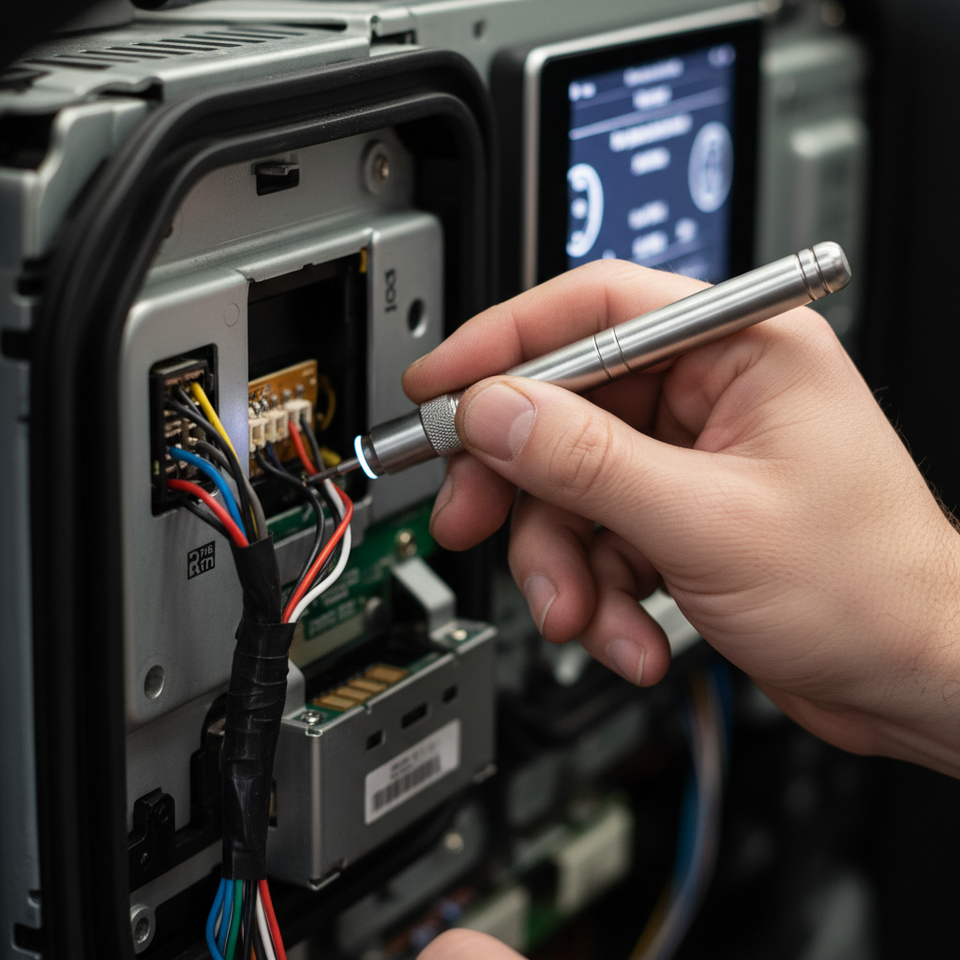 Hand-Switching Tactics: Using Symmetrical Gear Effectively
Covers biomechanics, torque calibration, and gear selection for precision work in automotive and electronics repair scenarios.
Hand-Switching Tactics: Using Symmetrical Gear Effectively
Covers biomechanics, torque calibration, and gear selection for precision work in automotive and electronics repair scenarios.
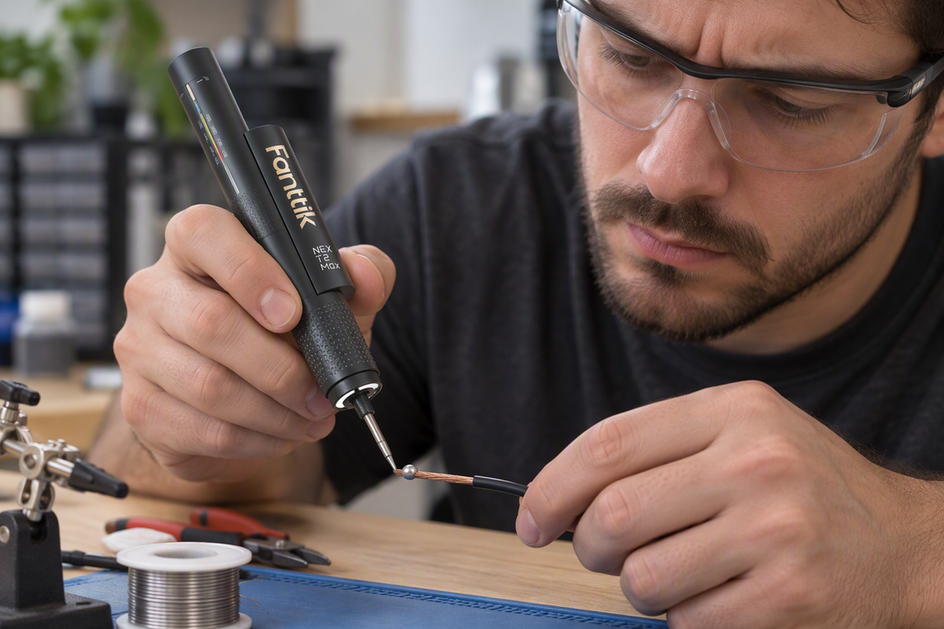
 Inclusive Workshops: Choosing Gear for Ambidextrous Use
Covers ergonomic penalties, scenario modeling, and specific gear like the Fanttik E2 MAX and S2 Pro for a...
Inclusive Workshops: Choosing Gear for Ambidextrous Use
Covers ergonomic penalties, scenario modeling, and specific gear like the Fanttik E2 MAX and S2 Pro for a...


Leave a comment
This site is protected by hCaptcha and the hCaptcha Privacy Policy and Terms of Service apply.