










































No, don't bleed air from a tire just because it reads higher after highway driving. That higher number is a warm-tire reading caused by heat, not proof that the tire is overinflated. Let the tire cool and compare the reading to your vehicle's recommended cold pressure before you touch the valve.
Should You Bleed Air From Hot Tires After Highway Driving?
The direct answer stays the same even under a closer look: don't release air from a tire just because it feels or reads "too high" right after a highway trip. A pressure reading taken minutes after driving reflects the tire's current operating temperature, not its resting condition.
The vehicle manufacturer's recommended tire inflation pressure applies to a cold tire, meaning one that hasn't been driven on for at least three hours, according to NHTSA's cold tire pressure guidance. A warm tire naturally carries some extra pressure above that cold target. If you force the reading down to match the cold number while the tire is still warm, the tire will end up underinflated once it cools back down.
The only time this changes is if the pressure stays abnormal after the tire has fully cooled, or if you notice visible damage or a dashboard warning. That's a different situation, covered later, and it calls for inspection rather than a quick air release.
Why Does Tire Pressure Rise During Highway Driving?
Tire pressure rises because the air inside the tire gets warmer, and warmer air pushes harder against the tire's walls. This is a normal, temporary change tied to how the tire is being used, not a defect.

What Heat Changes Inside the Tire
A tire's pressure reading is really a measurement of how hard the air inside is pushing outward, and that push increases as the air heats up. The cold-pressure specification on your vehicle's placard is set for a resting tire, so any reading taken while the tire is still warm will run higher than that number. That gap is expected and doesn't mean the tire has been overfilled.
Why Highway Driving Makes the Difference Noticeable
Sustained highway speeds keep the tire flexing and rolling for longer stretches than city driving, which builds up more heat in the rubber and the air inside it. That's why a reading taken right after a long highway stretch, such as at a gas station, often looks higher than what you saw before the trip. The U.S. Tire Manufacturers Association notes that inflation pressure increases with rising temperature and that underinflated tires generate excess heat buildup and stress, which is one reason it matters to correct pressure at the right time rather than guessing at a warm reading, according to USTMA's temperature-related pressure guidance. This doesn't mean every highway trip produces the same increase; it simply explains why the number moves in that direction.
Which Tire Pressure Number Should You Use?
Use the vehicle-specific recommended cold pressure printed on the tire information placard or listed in the owner's manual. That's the number your adjustment should match, not the reading you see immediately after driving.
Don't substitute the tire's sidewall markings for this figure. The sidewall typically lists a maximum pressure rating for the tire itself, which is a different number tied to the tire's construction rather than your vehicle's recommended setting. Mixing the two up can lead you to inflate to the wrong target. When in doubt, the placard on the driver's doorjamb or the owner's manual is the source that matches your specific vehicle, according to NHTSA's guidance for a warm tire reading. A warm roadside reading is useful for spotting a possible problem, but it's not the number you adjust to.
How to Check and Adjust Tire Pressure Safely
Check tire pressure using one simple sequence, and do it when the tires are cold rather than right after driving.
- Wait until the tires are cold. NHTSA defines cold as not having been driven on for at least three hours.
- Find your vehicle's recommended cold PSI on the tire information placard, usually on the driver's doorjamb, or in the owner's manual.
- Measure all four tires with the same gauge so the readings are comparable.
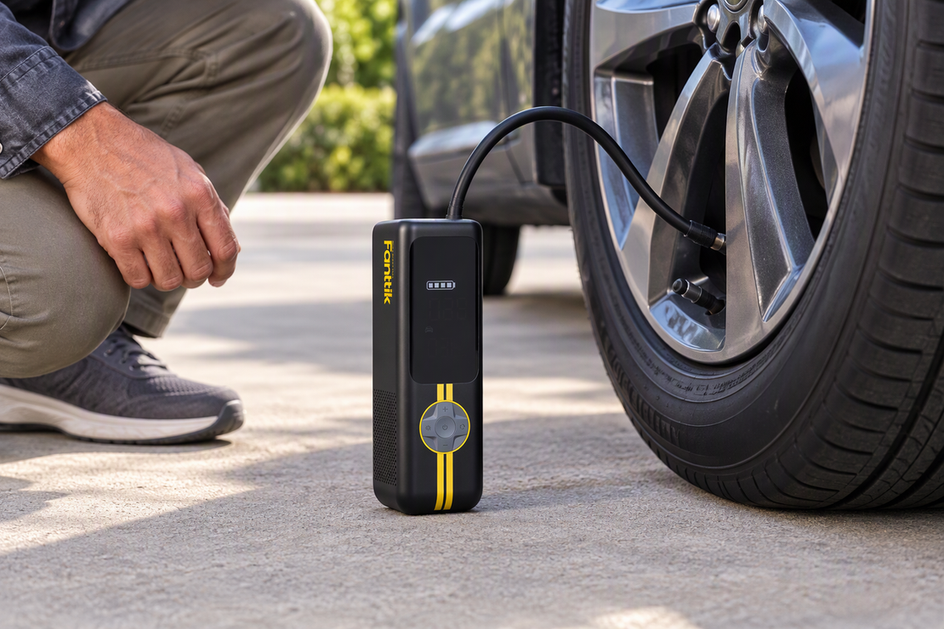
- Add or remove air only as needed to reach the vehicle's cold target, using a gauge and a car air pump or a standard air pump for the adjustment.
- Recheck each tire's reading after adjusting, and replace the valve caps once you're done.
If you've been driving and suspect a tire is low, NHTSA notes it's safer to fill it to the recommended cold pressure right away rather than leave it significantly underinflated, even though the reading will still include some extra warmth-related pressure at that moment; you can check tire pressure again once the tire has fully cooled to confirm the final number.
What If the Reading Is Still Abnormal When Cold?
If the pressure is still off once the tire has cooled for at least three hours, stop treating it as a normal heat-related change. A cold reading that remains too low, too high, or inconsistent between tires points to something other than ordinary highway warmth.
Visible damage to the tire, a tire-pressure warning light, or a reading that keeps drifting after you've corrected it are all signs to get the tire inspected rather than adjusting it again on your own. This distinction matters because a persistent problem, such as a slow leak or internal damage, won't resolve itself the way a normal warm-tire reading does once things cool down.

When cold numbers match your door placard, your tires are road-ready. If a tire stays consistently below spec or keeps losing pressure overnight, take the vehicle to a qualified service professional for a puncture or rim inspection before driving extended highway miles.
FAQs
Is a Higher Reading After Driving Automatically Overinflation?
No. A higher reading right after highway driving reflects the tire's temperature at that moment, not a mistake in how much air is inside. Compare it with the vehicle's cold pressure target once the tire has cooled before deciding whether any adjustment is needed.
How Often Should You Check Tire Pressure?
Check tire pressure when the tires are cold, meaning parked for at least three hours, and do this at least once a month. It's also worth checking before a long trip or if you notice a handling change or dashboard warning between your regular checks.
What If the TPMS Warning Appears After Driving?
A tire-pressure warning shouldn't be dismissed as just a warm-tire effect, even though heat can shift the reading slightly. Let the tire cool, recheck it against the vehicle's recommended pressure, and if the warning returns or the reading stays abnormal, have the tire inspected rather than continuing to drive on it.
Continue reading
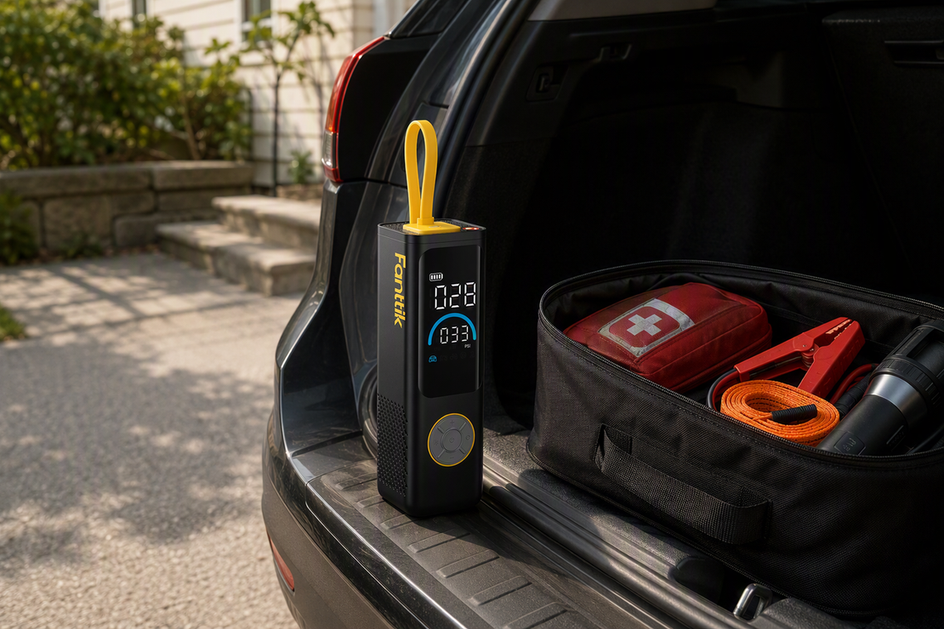 Compact Emergency Trunk Kit: 5 Tools Every Driver Should Carry for Road Trips
A practical guide detailing five compact trunk tools—jump starters, inflators, worklights, plug kits, and screwdrivers—with realistic roadside limits...
Compact Emergency Trunk Kit: 5 Tools Every Driver Should Carry for Road Trips
A practical guide detailing five compact trunk tools—jump starters, inflators, worklights, plug kits, and screwdrivers—with realistic roadside limits...
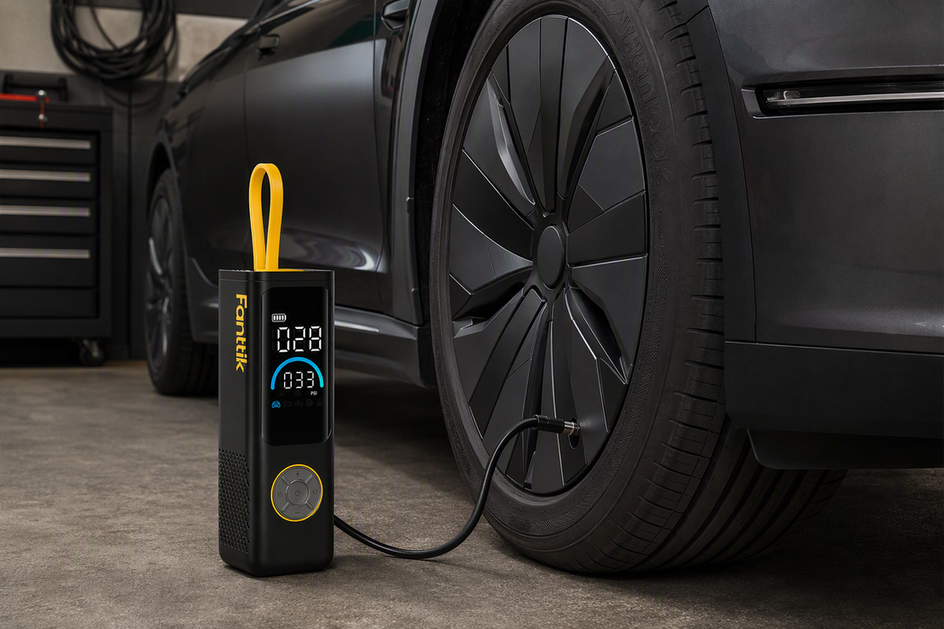 Electric Vehicle Tire Pressure Guide: Why Heavy EV Battery Weight Demands Exact PSI
Heavy battery packs and instant torque raise the stakes for EV tire pressure. Here's how to find, check,...
Electric Vehicle Tire Pressure Guide: Why Heavy EV Battery Weight Demands Exact PSI
Heavy battery packs and instant torque raise the stakes for EV tire pressure. Here's how to find, check,...
Leave a comment
This site is protected by hCaptcha and the hCaptcha Privacy Policy and Terms of Service apply.