





















If you see wear on both outside edges of a tire, that pattern is commonly linked to underinflation. Wear concentrated in the center rib points a different way, toward overinflation. Wear that increases from one side of the tread to the other is a separate signal that usually means it's time to check alignment or worn suspension parts instead of just adding air.
None of these patterns confirms the cause by itself. The next step is the same either way: check the tire's actual cold pressure against your vehicle's specification before you decide what to do.
What Shoulder and Center Wear Usually Suggest
Use the pattern you see to pick your next check, not to jump straight to a conclusion. The table below maps three common visual patterns to the check that actually resolves them.
| Wear pattern | Possible clue | Next check |
|---|---|---|
| Wear on both outside shoulders | Possible underinflation | Check cold pressure against the vehicle placard or owner's manual |
| Wear concentrated in the center tread | Possible overinflation | Check cold pressure; don't compare it to the tire's sidewall maximum |
| Wear increasing from one side to the other | Possible alignment or worn-part issue | Arrange a tire or alignment inspection |
This mapping comes from tire-wear identification guidance built for trailer tires, so treat it as a starting clue for a passenger vehicle rather than a confirmed diagnosis (tire wear pattern guide). A single pattern on one tire, wear that shows up the same way on multiple tires, and any pattern paired with visible damage all deserve slightly different responses, which the next sections walk through.
Why Tire Pressure Changes the Wear Pattern
Tire pressure changes how much of the tread contacts the road and where that contact is concentrated. Getting the pattern right tells you which pressure direction to check first, but it still doesn't replace a real gauge reading.
Why Underinflation Can Wear Both Shoulders
When a tire runs below its intended pressure, the center of the tread bows slightly away from the road while the outer edges carry more of the vehicle's weight. Over time, that uneven contact wears the shoulders faster than the middle. This is why wear on both outside edges is treated as a pressure-related clue rather than a random cosmetic issue, and why the fix starts with a cold-pressure reading, not a guess.

Why Center Wear Points to a Different Pressure Clue
Overinflation pushes the tire into a rounder profile, so the center of the tread carries more of the load and wears faster than the shoulders. The available tire-wear guidance associates this pattern with overinflation, but that guidance wasn't developed for passenger cars specifically, so treat it as a clue to verify rather than a confirmed passenger-vehicle rule.
Why One-Sided Wear Changes the Question
Wear that increases steadily from one side of the tread to the other looks different from symmetric shoulder or center wear, and it usually means something else is going on. Commercial tire technical guidance links this pattern to alignment parameters like camber or toe, or to worn steering and suspension parts (irregular wear guidance). That source covers commercial steer tires, so use it as a reason to book an alignment or inspection rather than as proof of exactly which part has failed.
How to Check Cold Tire Pressure Correctly
Checking pressure the right way means measuring every tire cold and comparing each reading to your vehicle's own target, not a number from the tire's sidewall. Follow these four steps before making any pressure adjustment.
- Let the vehicle sit for at least three hours, or drive less than a mile, so the tires are truly cold.
- Use a reliable tire pressure gauge on every tire, including the spare if it's a matching size.
- Find your vehicle's recommended cold pressure on the Tire and Loading Information Label on the driver's door edge, or in the owner's manual, and use that number instead of the tire's printed maximum pressure (NHTSA tire guidance).
- Note which tires match the target and which don't, then check again at least once a month going forward.
If one tire consistently reads low no matter how often you add air, that's a separate signal worth flagging in the next section rather than something to keep topping off.
When Wear Means More Than a Pressure Adjustment
Correcting a measured pressure mismatch is a reasonable first step when the tire is otherwise in good shape. It stops being the right response once the tire itself shows a warning sign.
When a Pressure Adjustment Is Only the First Check
If the cold reading doesn't match your vehicle's target and the tire looks otherwise normal, adjusting to that target and rechecking over the next few weeks is a fair starting point. If the same wear pattern shows up again after the pressure has held steady, that's a sign the pressure wasn't the whole story.
When to Stop and Arrange Inspection
If the tread is worn down near the minimum depth, the tire shows cuts, cracks, or bulges, the wear looks irregular rather than symmetric, or the tire won't hold pressure between checks, stop treating inflation as the fix. NHTSA's guidance is to consult a tire service professional in these cases rather than keep driving on it (NHTSA tire guidance). For one-sided wear specifically, ask the shop to check alignment and inspect for worn parts rather than requesting another pressure top-off.
Can a Portable Tire Inflator Fix the Pressure Problem?
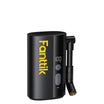
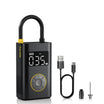
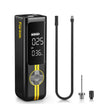
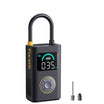
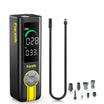
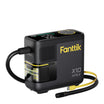
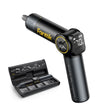
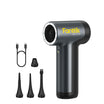
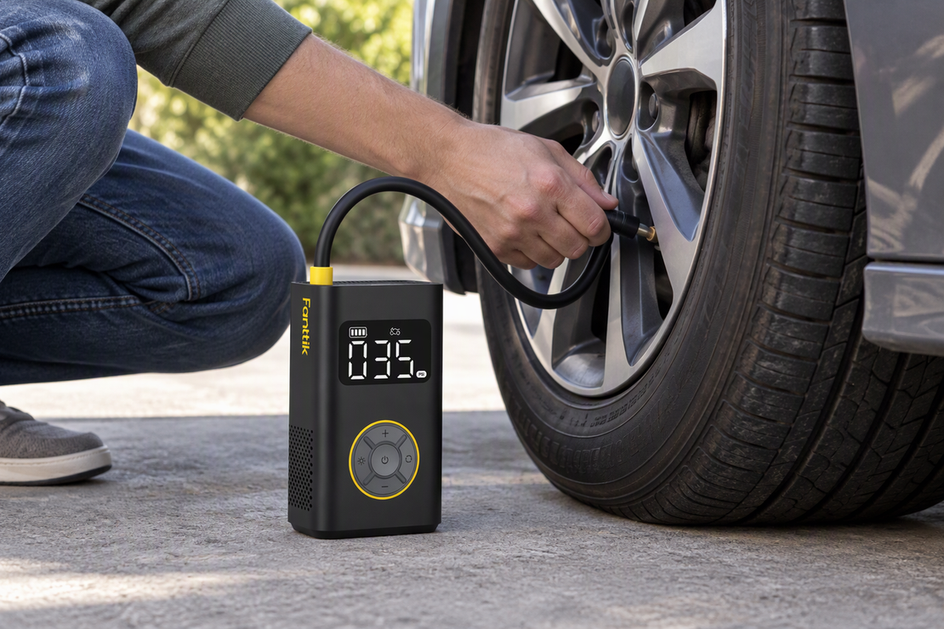
A portable tire inflator can correct a measured pressure gap once you know the vehicle-specific target from the steps above, but it can't tell you why the wear happened in the first place. Our Fanttik X9 APEX Portable Tire Inflator displays pressure as it inflates and lets you set an adjustable preset so it stops automatically once the tire reaches the number from your placard or manual, which is useful for the correction step, not the diagnosis step.
Treat the reading and auto-stop as confirmation that the tire reached your target, not as proof that the wear pattern is resolved or that alignment is fine. If the tread condition already triggered the inspection boundary above, an inflator doesn't change that. It's a tool for the adjustment stage of this process, used after you've already read the pattern and checked cold pressure, not a substitute for either.

Before taking any action, inspect your tread: if you spot structural damage or wear down to the wear bars, schedule a tire replacement immediately; if the tread is serviceable, use your inflator to restore the exact door-placard cold pressure.
FAQs
What should I do if the wear pattern remains after I correct the tire pressure?
If you've corrected the pressure to your vehicle's specified target and rechecked it cold over a few weeks, but the same wear keeps showing up, stop repeating the pressure adjustment. Persistent wear after a confirmed correction is a reason to have a tire shop check alignment and inspect for worn steering or suspension parts, since pressure is no longer the likely explanation at that point.
How often should I check cold tire pressure if I notice early shoulder wear?
Check all tires at least once a month and before long trips, always measuring when the tires have been sitting for at least three hours. If dual shoulder wear is just starting, checking monthly against your vehicle's door placard ensures pressure does not drop undetected while you verify that inflation holds.
Does a portable tire inflator tell me if my tire has an alignment issue?
No. A portable inflator only measures and delivers air pressure to reach a selected target. It cannot detect wheel misalignment, suspension play, or physical tread deformation, so one-sided or irregular wear still requires physical inspection by a qualified technician.


Leave a comment
This site is protected by hCaptcha and the hCaptcha Privacy Policy and Terms of Service apply.